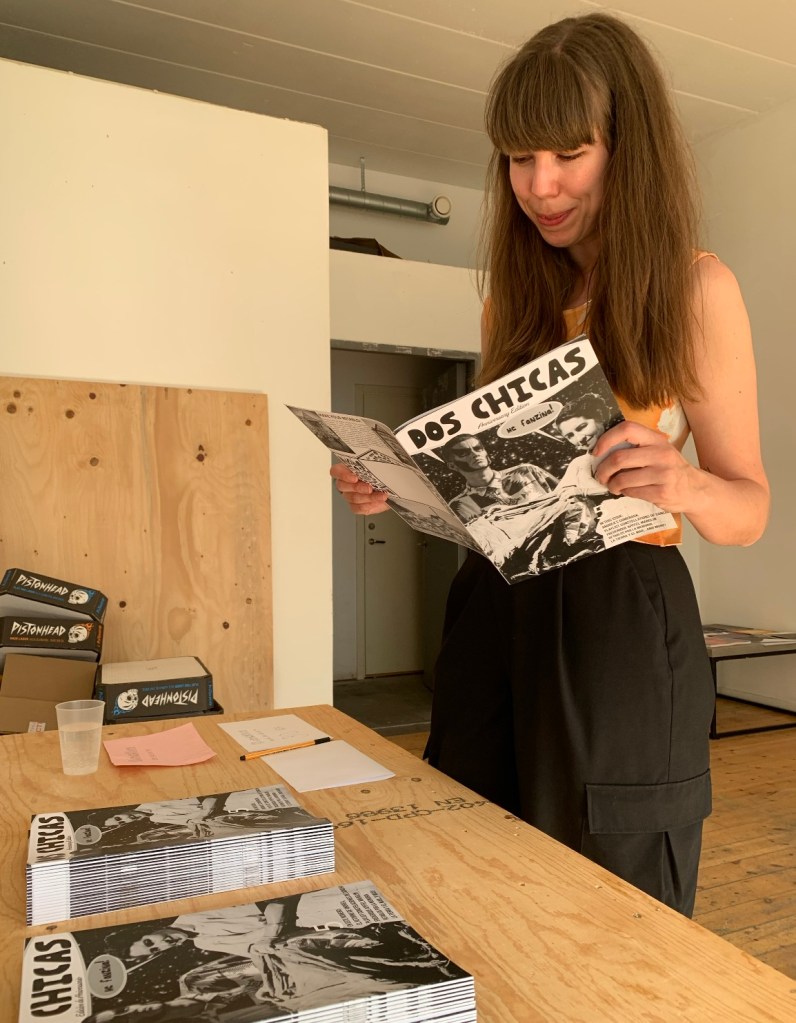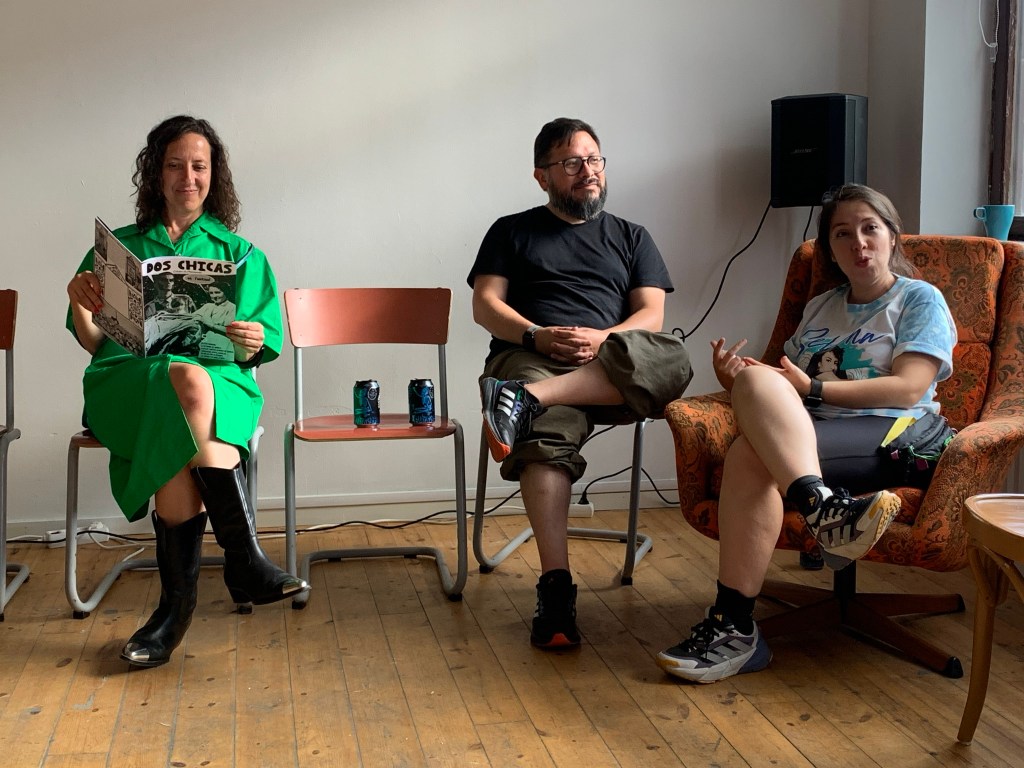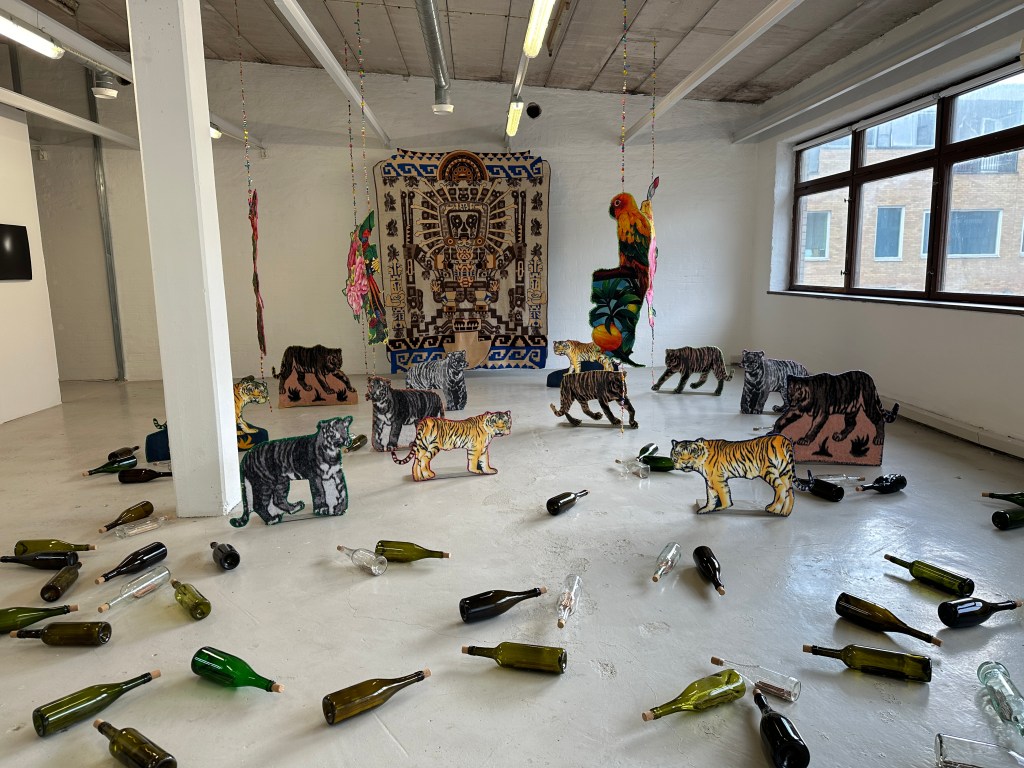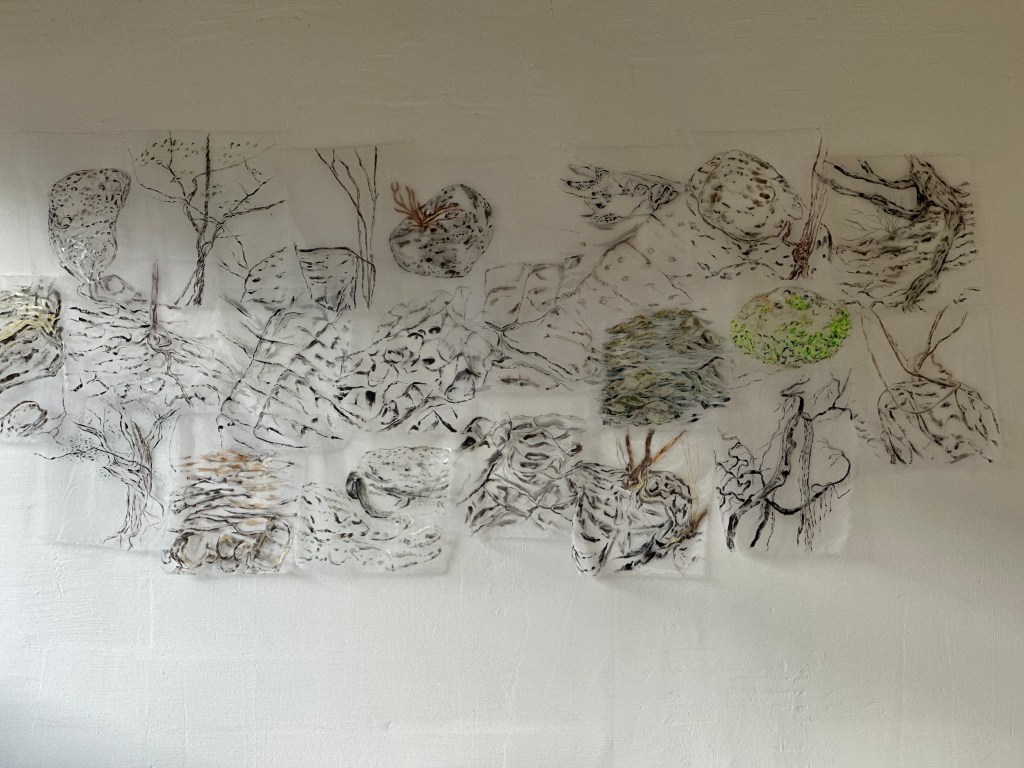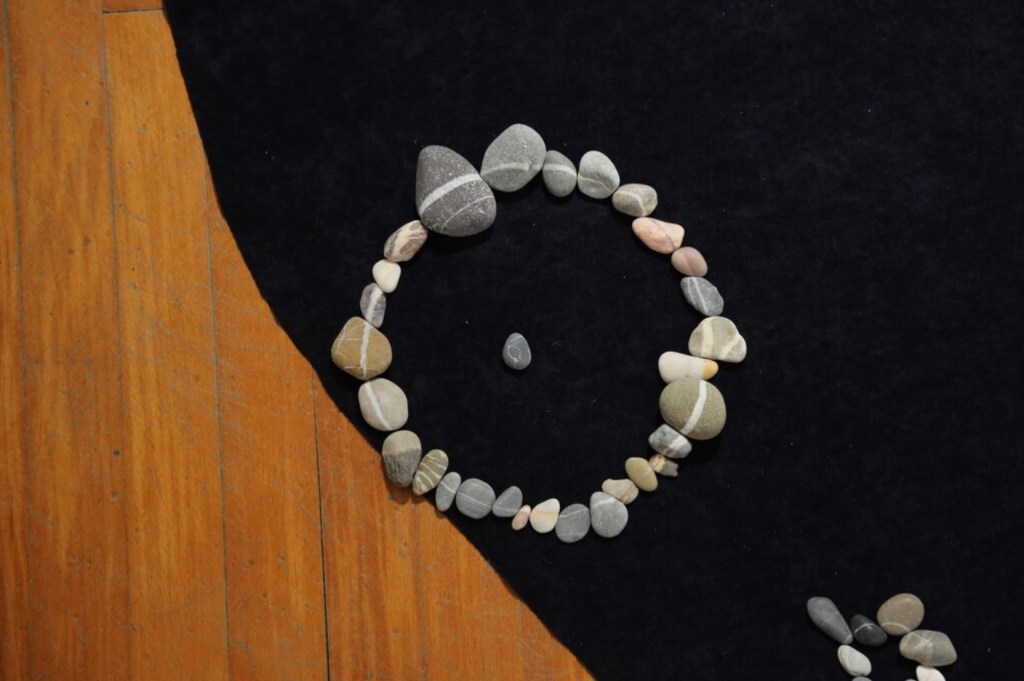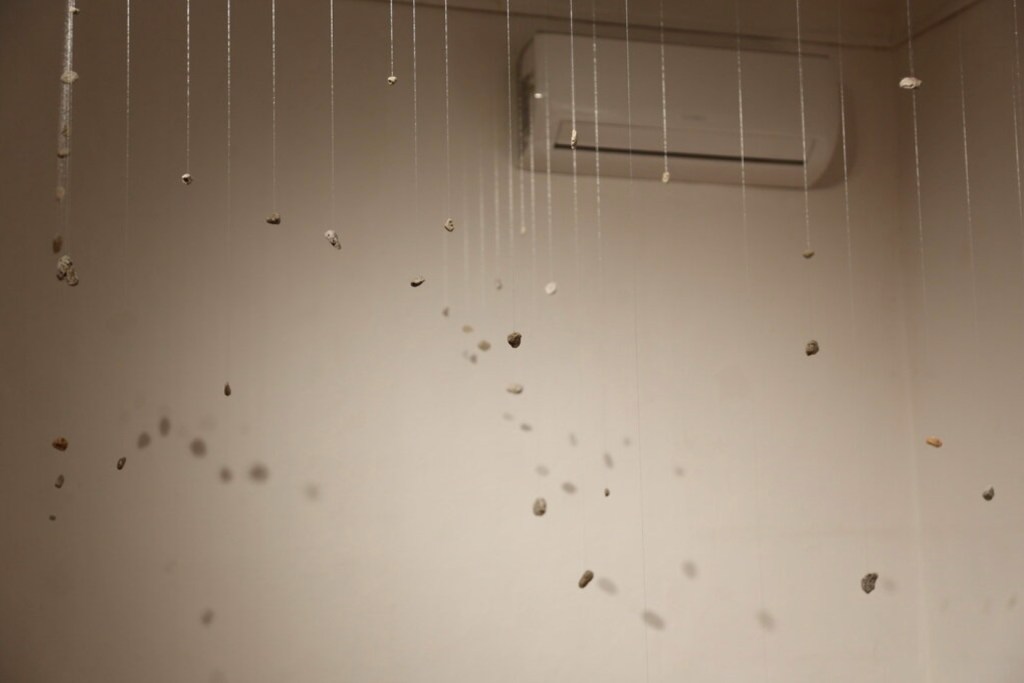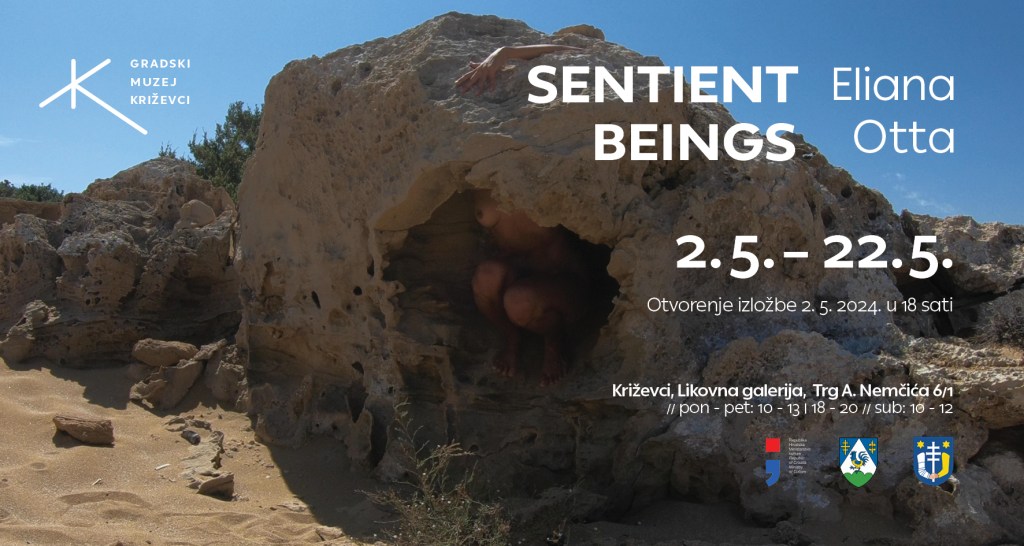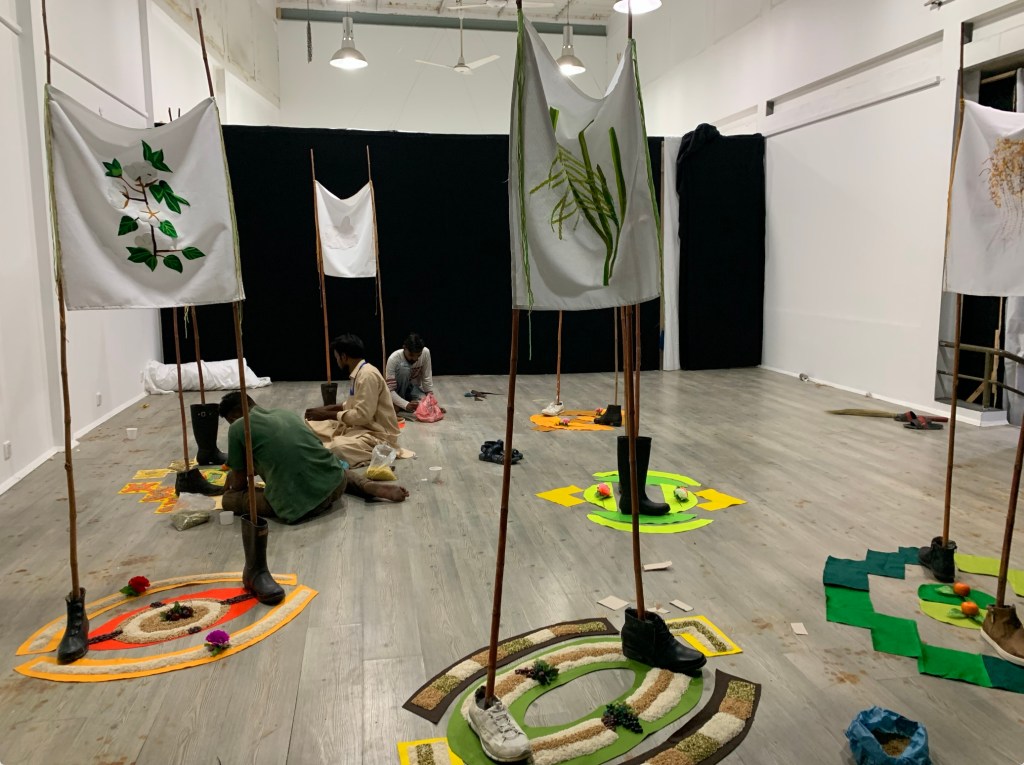
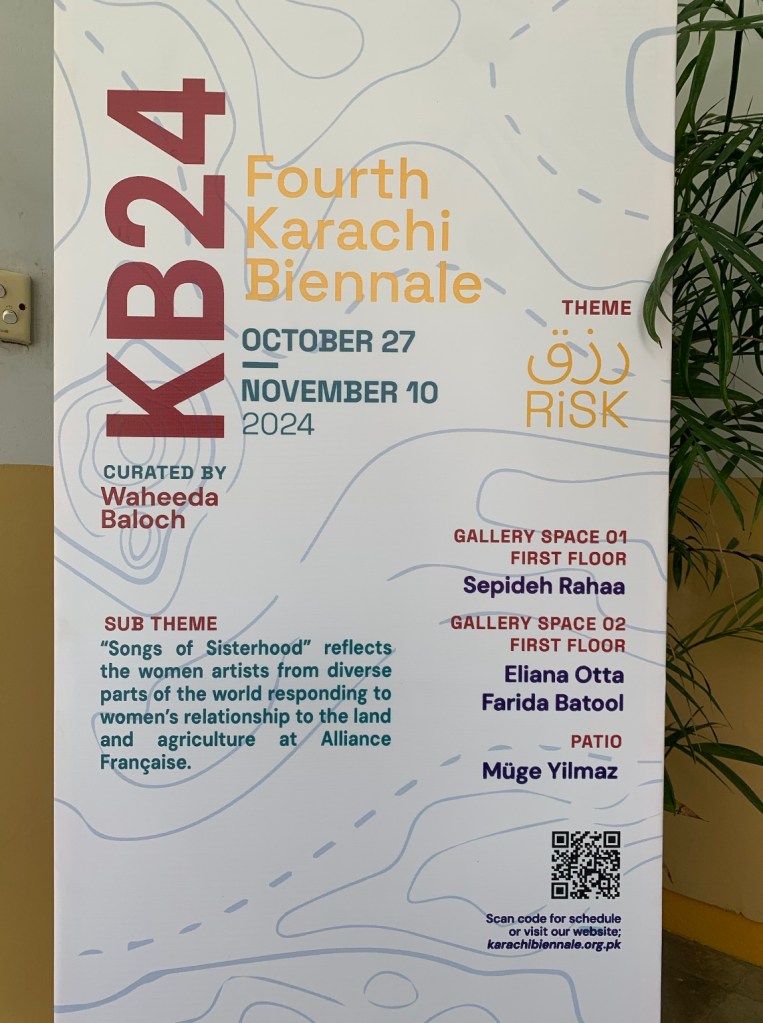
The “Retablos” wait for your demands! published in Alternautas

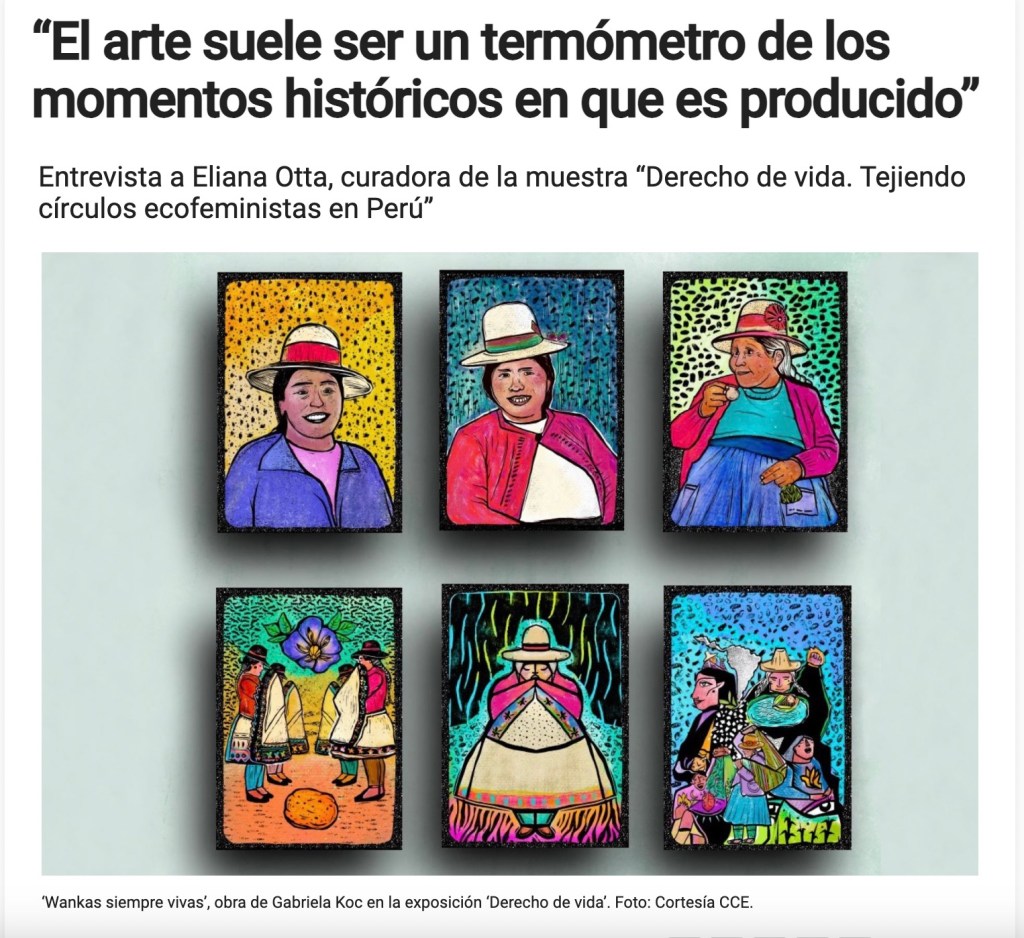
A bit late I realized that my text «The “Retablos” wait for your demands! Community building through feminist artivism amidst lethal repression in Peru» was published in December, 2023 in Alternautas. This text is a homage and a way to accompany at the distance the collective initiative Retablos por la Memoria, which was born to contest the brutal repression under Dina Boluarte’s government.

Un poco tarde me di cuenta de que mi texto «¡Los Retablos esperan tus demandas! Construyendo comunidad a través del artivismo feminista en medio de la represión letal en Perú» fue publicado en diciembre de 2023 en Alternautas. Este texto es un homenaje y una forma de acompañar a la distancia la iniciativa colectiva Retablos por la Memoria, que nació para denunciar la brutal represión bajo el gobierno de Dina Boluarte.

Hermanas, Madres, Abuelas

En mi reciente estadía en Lima, empezamos este emocionante proyecto:

Hermanas, madres, abuelas*.
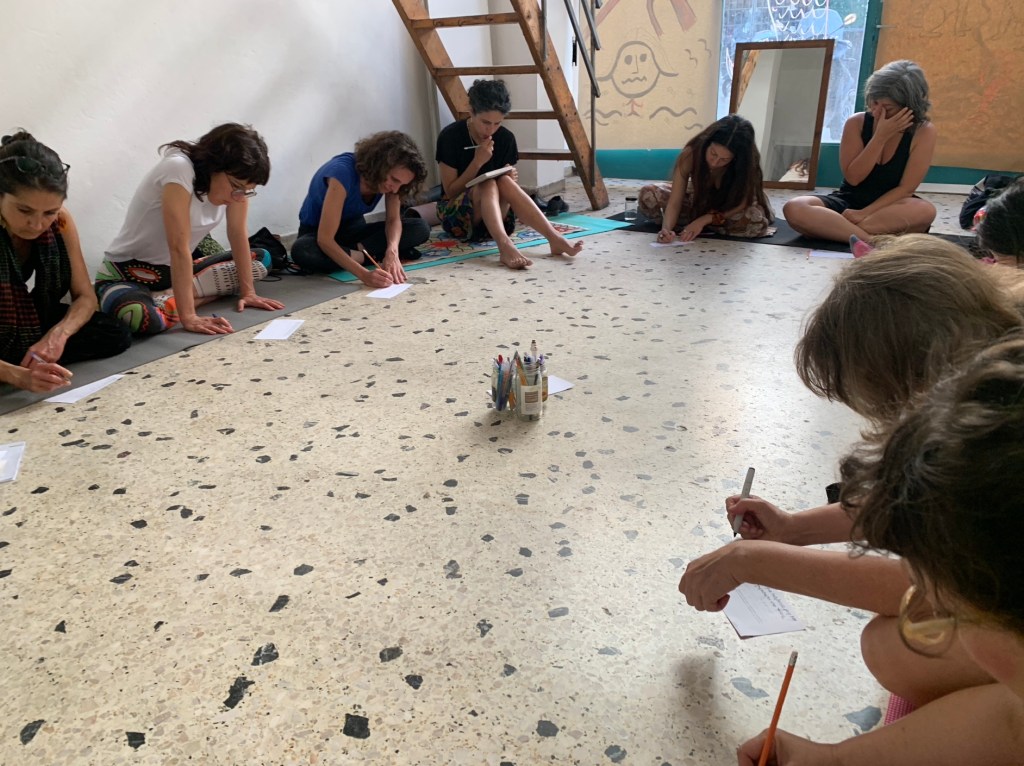
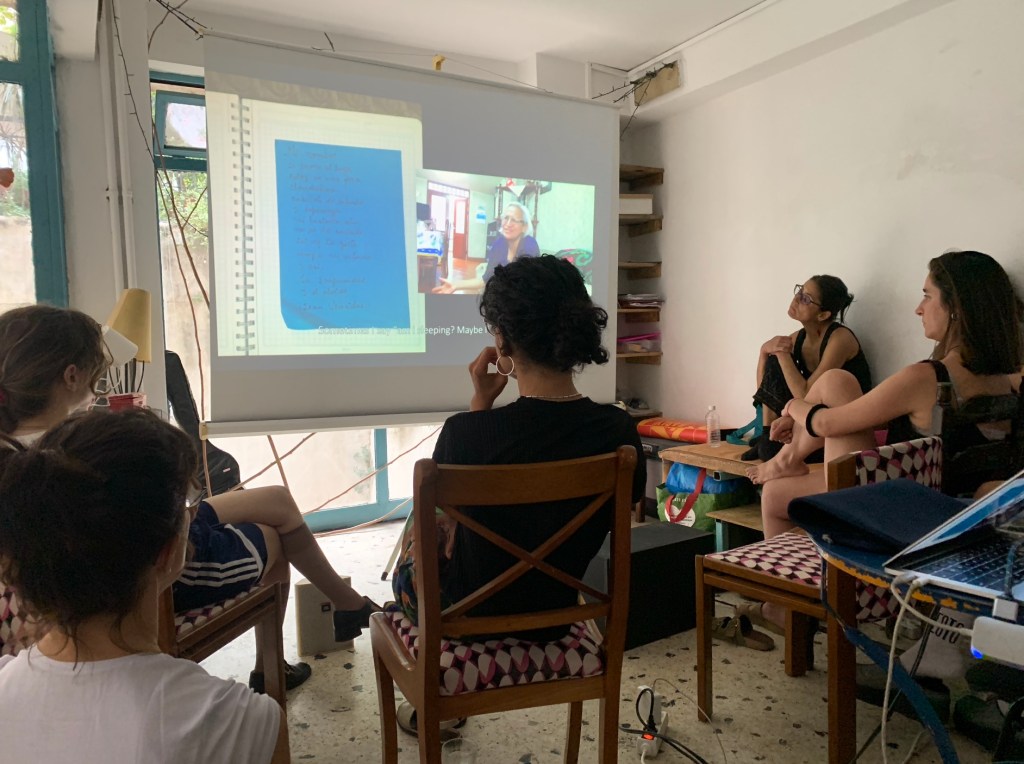
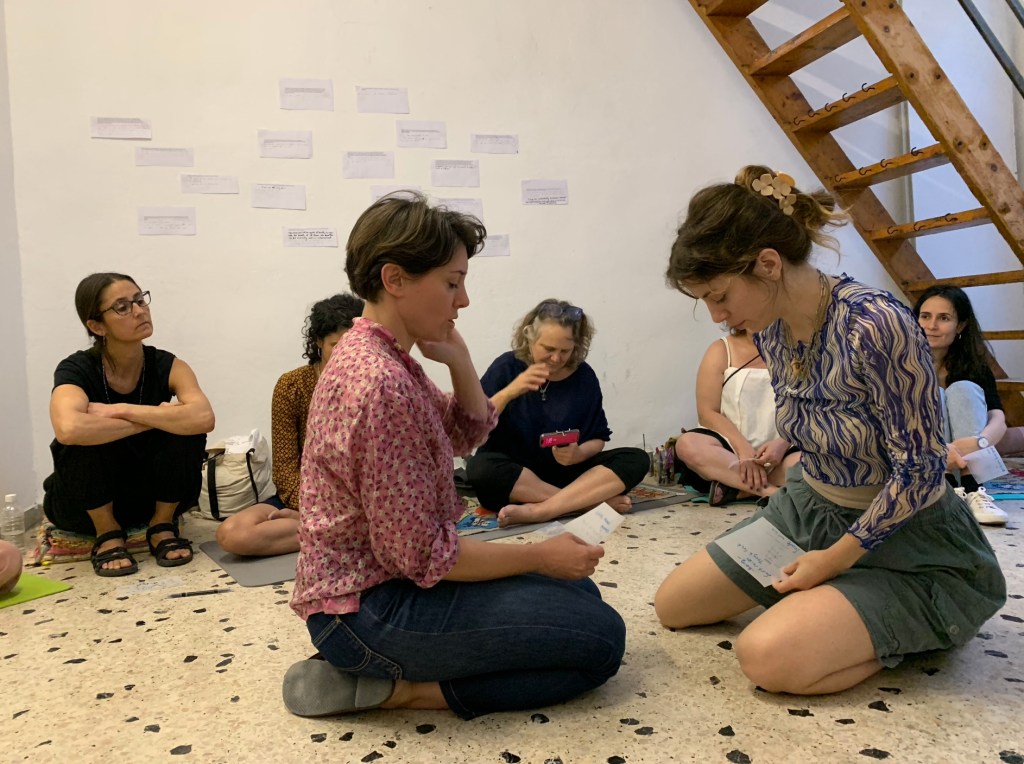
Encuentros para compartir imágenes y reflexiones sobre conexiones entre trabajos de artistas peruanas. En cada sesión una artista vincula obras específicas con otras, señalando posibles influencias, identificando o proponiendo genealogías, visibilizando reconocimientos y homenajes, invitando a continuar el juego para expandir una cadena de puentes y diálogos cuya continuidad dependerá de las participantes y de quienes quieran ser parte de esta conversación.
En esta primera sesión, el miércoles 21 de febrero, Eliana Otta pone su trabajo en relación al de Teresa Burga y Gilda Mantilla.

El 28 de febrero fue el turno de Gilda Mantilla, que habló sobre varias artistas peruanas, especialmente Elena Tejada. Luego el 27/3 Elena habló sobre la influencia de Susana Aragón y Claudia Salem en su obra, por lo que pronto continuará la cadena Claudia Salem. ¡Y habrá que ver quiénes siguen después…!

Las charlas están siendo grabadas por Raul Escobal y subidas a esta cuenta de youtube, gracias a un trabajo colaborativo con Jana Ugaz y Gilda Mantilla.

To Beatriz and the Sacred Hole at The One Straw Revolution

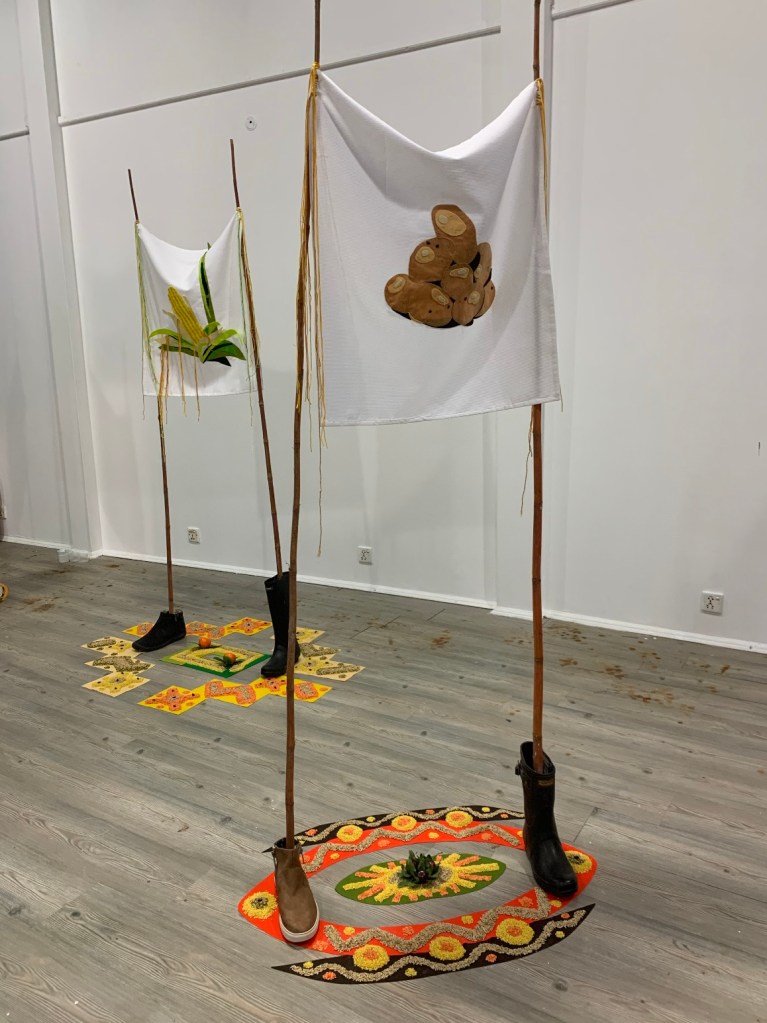
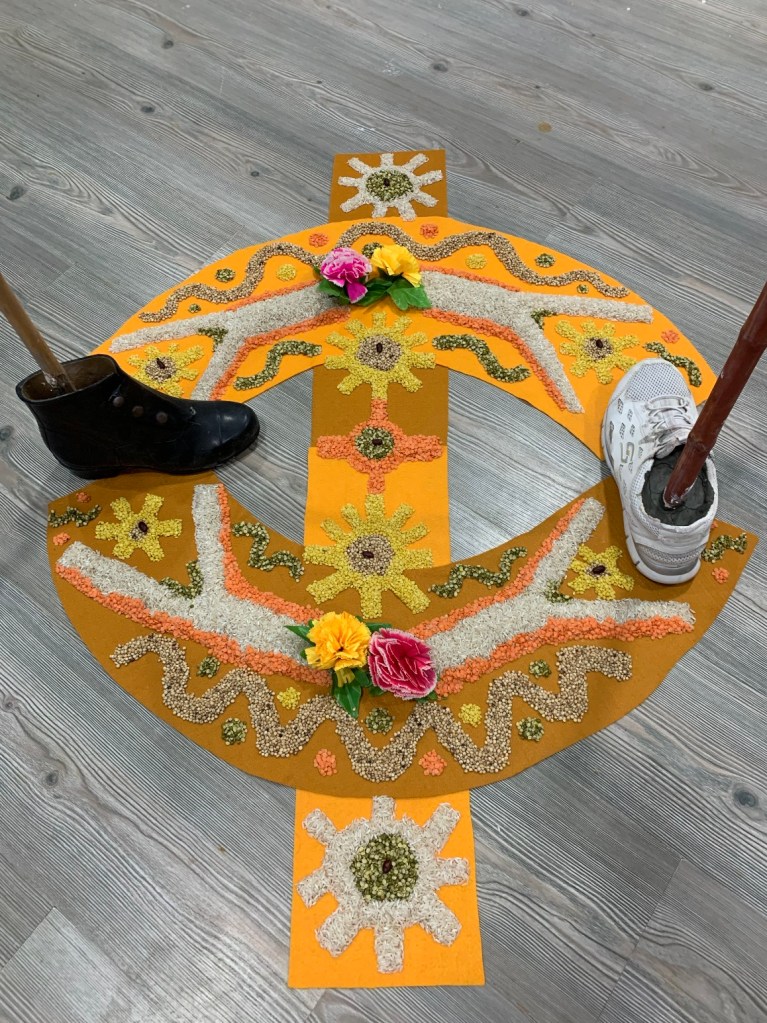
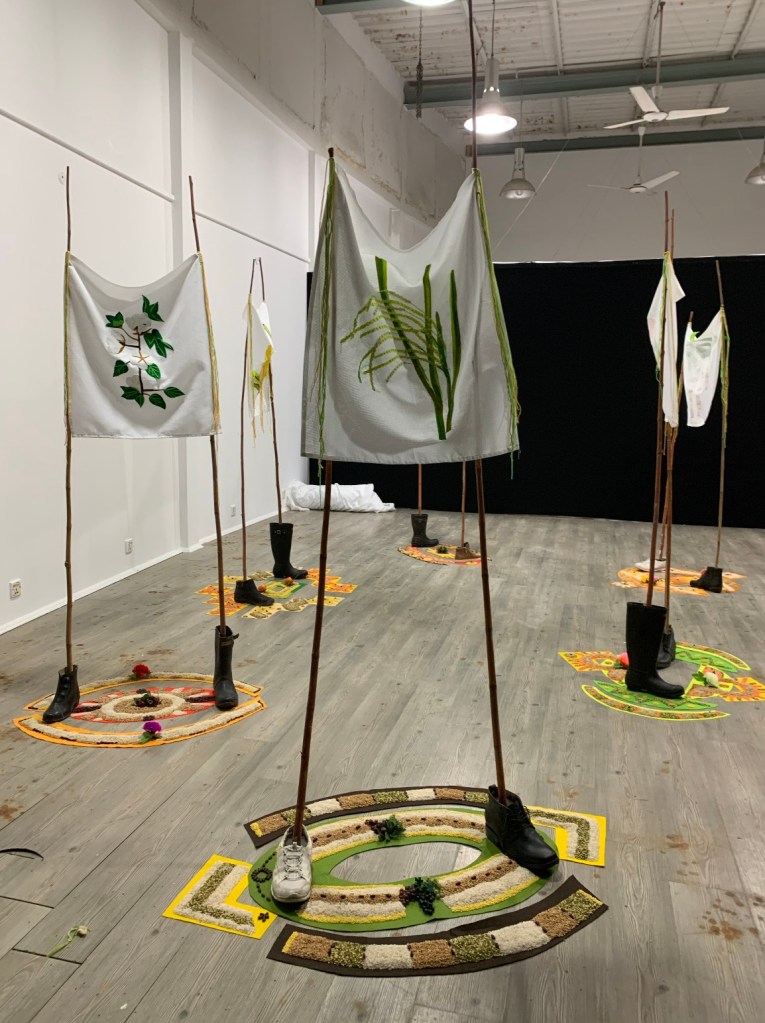
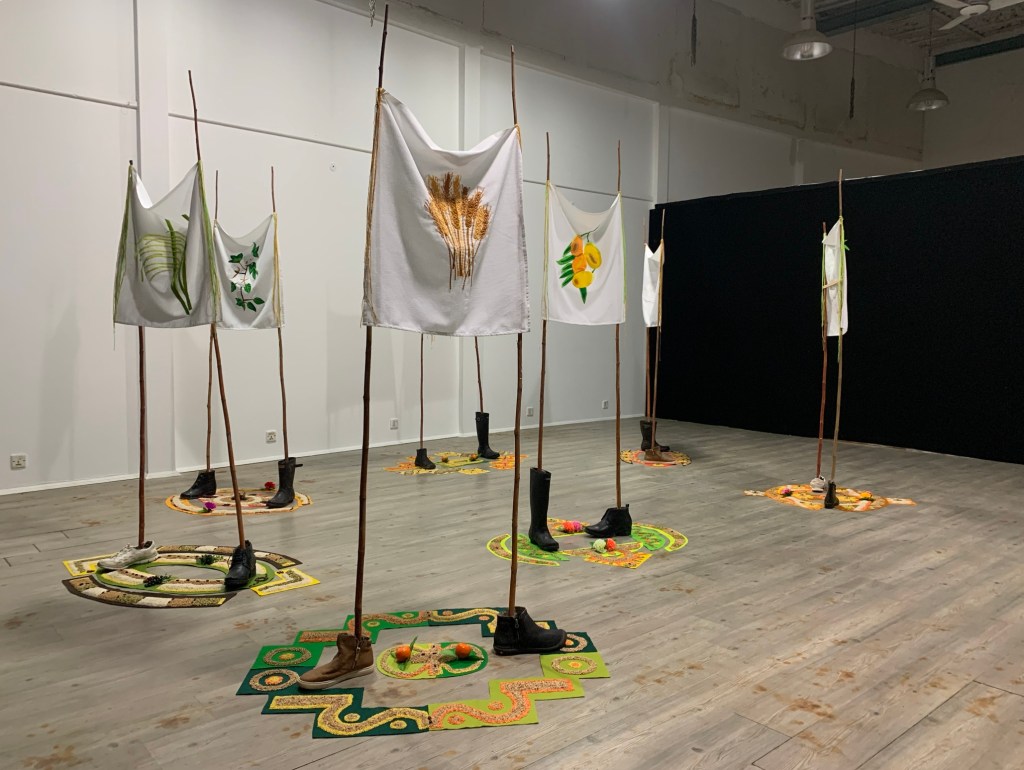
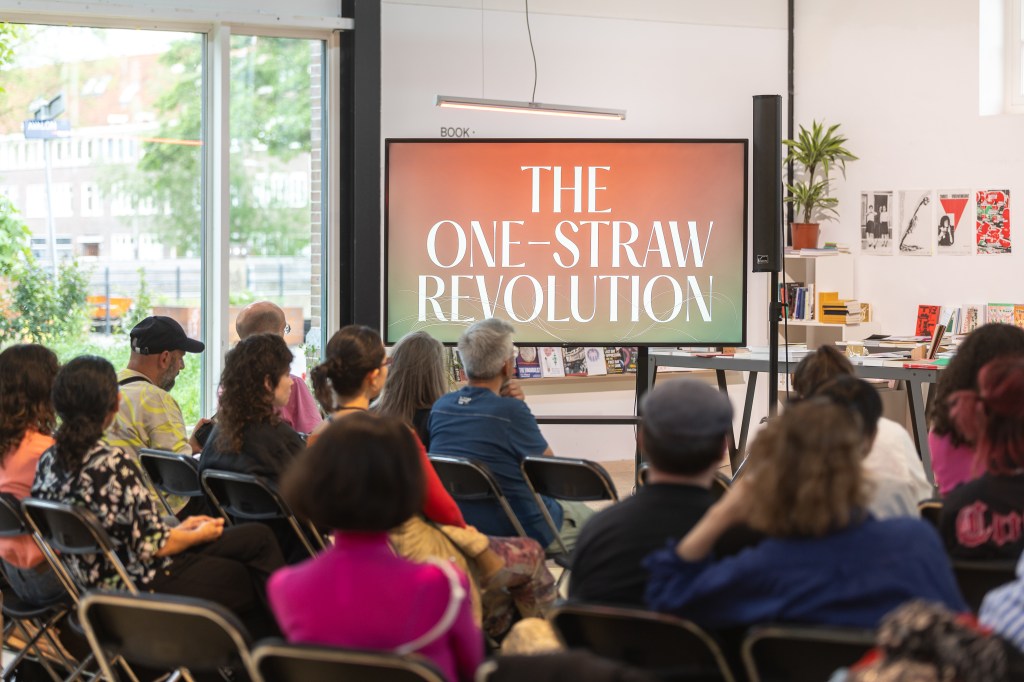
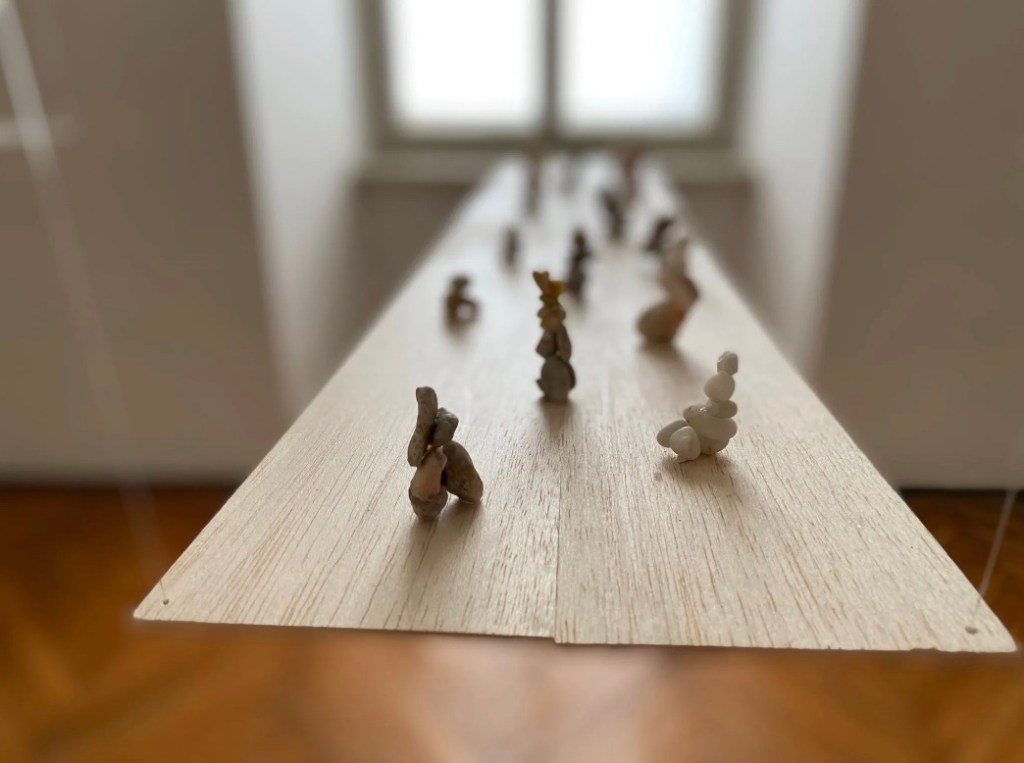
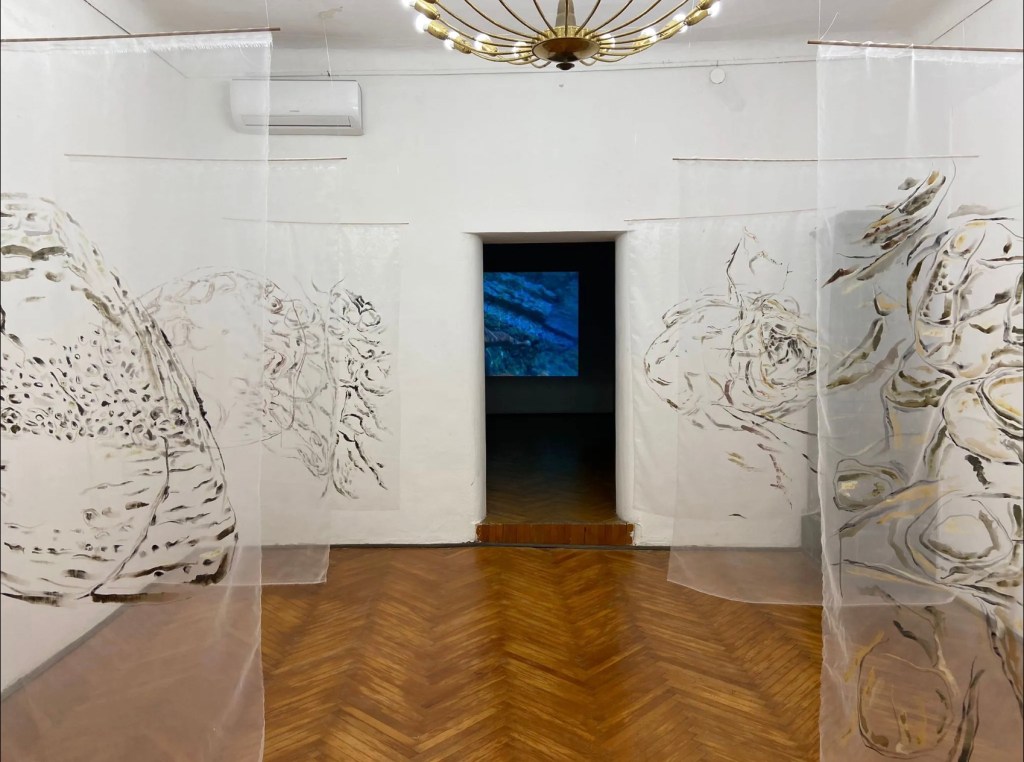
Installation photos from the exhibition The One Straw Revolution curated by Iliana Fokianaki at Framer Framed, Amsterdam [2024]. © Maarten Nauw / Framer Framed.

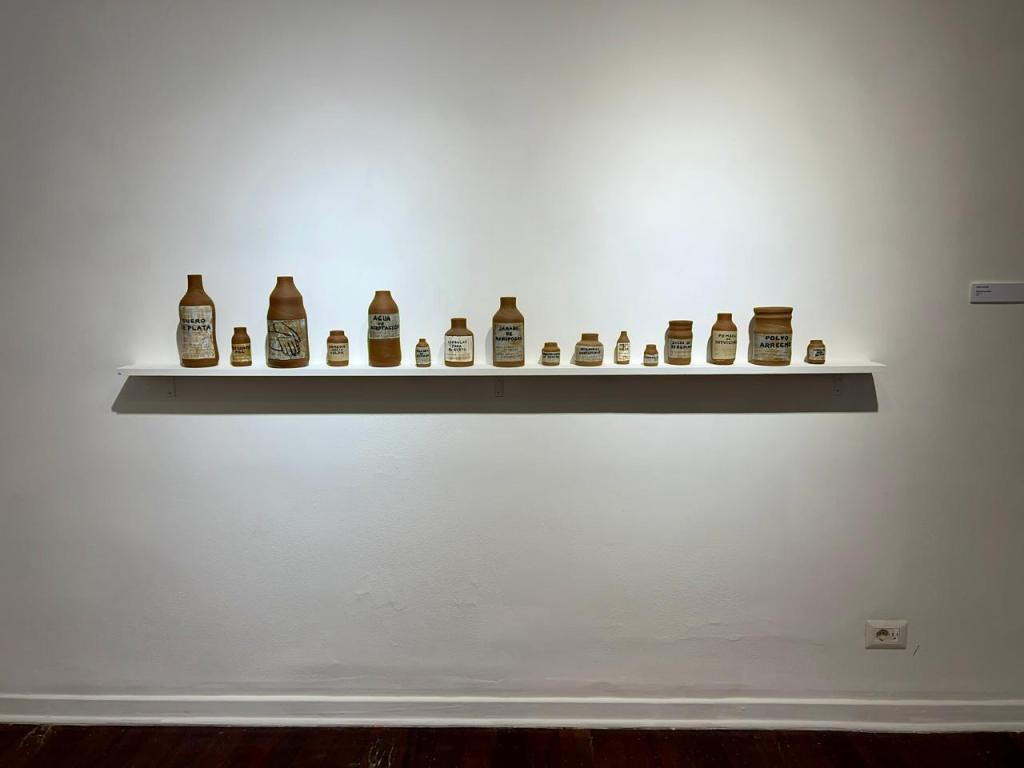
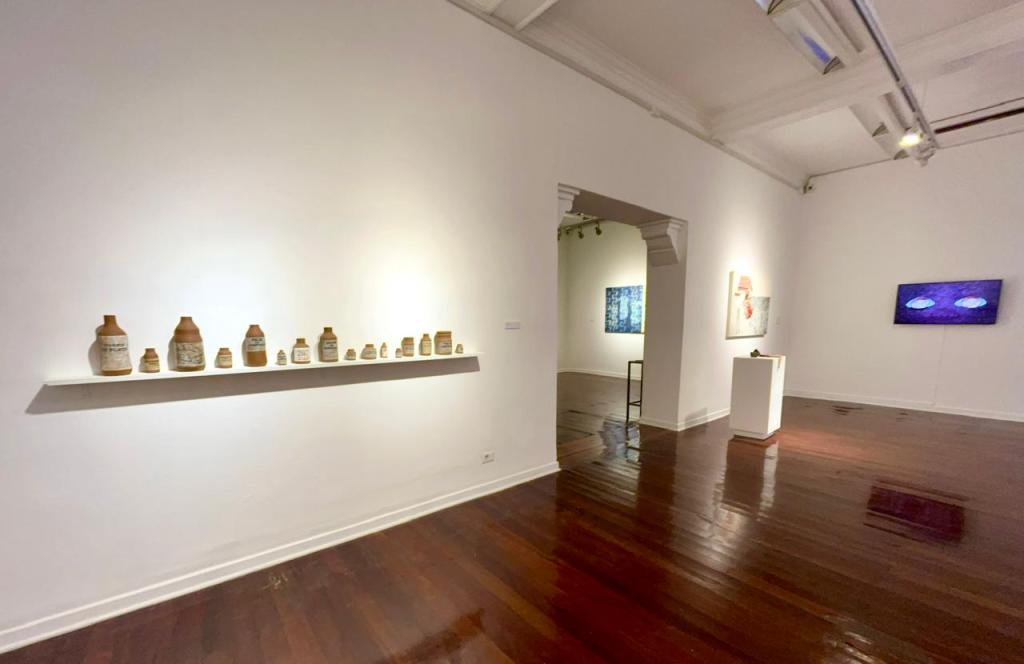
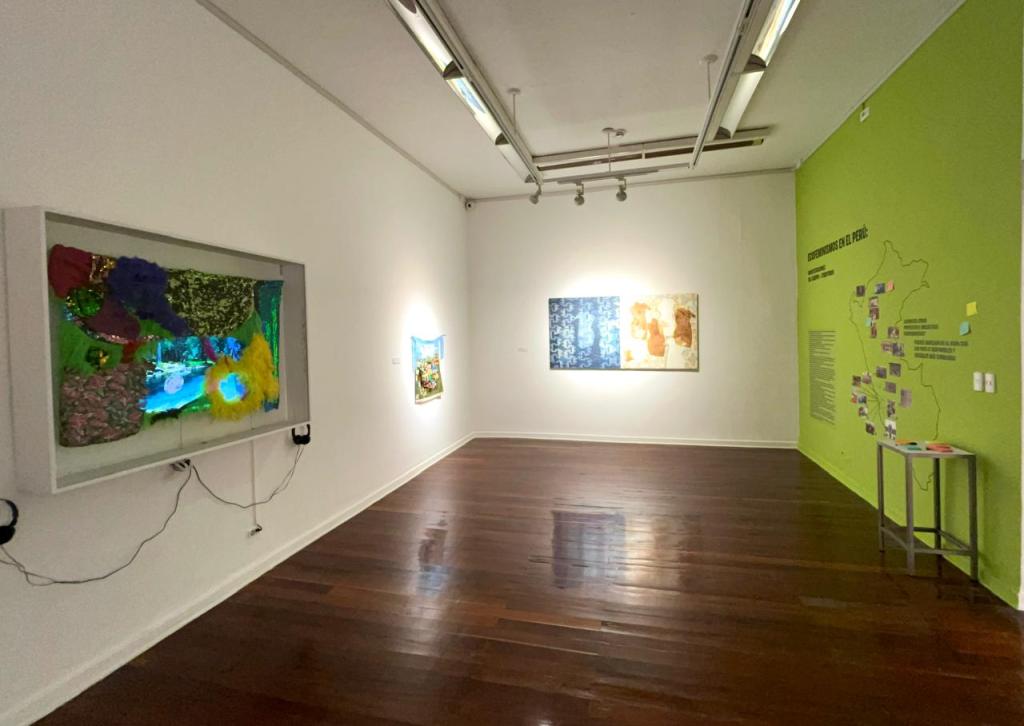
My sound piece and installation To Beatriz and the Sacred Hole at The One Straw Revolution is on view until May 19 at Framer Framed in Amsterdam, at the collective show The One Straw Revolution, curated by Iliana Fokianaki. This work is an iteration of sounds, narrations and images belonging to the project Virtual Sanctuary for Fertilizing Mourning, about the recent story of the Indigenous community Nuevo Amanecer Hawai in the Peruvian Amazon.

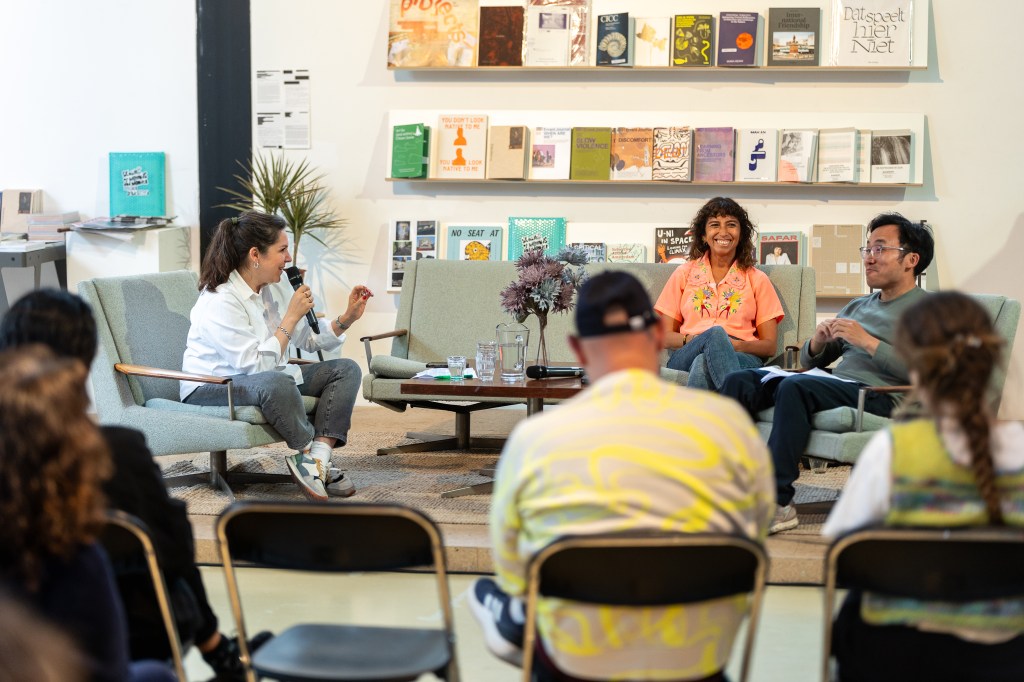
On May 17 I’ll participate at a talk there about the project, before the finissage of the exhibition.

Mi pieza sonora e instalación To Beatriz and the Sacred Hole at The One Straw Revolution estará expuesta hasta el 19 de mayo en Framer Framed en Ámsterdam, en la muestra colectiva The One Straw Revolution, curada por Iliana Fokianaki. Este trabajo es una iteración de sonidos, narraciones e imágenes pertenecientes al proyecto Santuario Virtual para Fertilizar el Duelo, sobre la historia reciente de la comunidad indígena Nuevo Amanecer Hawai en la Amazonía peruana.

El 17 de mayo participaré allí en una charla sobre el proyecto, antes de la finalización de la exposición.

Installation view by Jean Medina.

Urban Lament published by Kyklada Press in Athens

Hard to believe, but I just realized I hadn’t post here information about one of my dearest projects last year, the publication of the book Urban Lament: Collective Expressions of Pain, Rage and Affection, that I coedited with Sofia Grigoriadou and David Bergé for Kyklada Press.

Urban Lament (2023)
Collective Expressions of Pain, Rage, and Affection

Lamentation practices can empower the potentiality to defy patriarchal orders ruling everyday life. Always a collective process, lamentation inscribes loss and vulnerability by tending bridges towards the world of the dead and the more-than-human. Gestures such as singing or breathing, gathering, and performances that exceed rationality can inspire a renewed approach to life and death, rural and urban. After all, amidst ongoing processes of extinction, how to mourn a queer activist, a Roma father, a burnt forest, an exiled body, and a ship sunken in the Mediterranean? How to experience loss not as something individual, but within an expanded continuum of pain? How to explore emotions beyond the private sphere? Through case studies and narrations, in different times and geographies surrounding the Aegean Sea, this book amplifies the echoes of collective tears to invigorate contemporary mourning practices that claim public space by grief, rage, and affect. Edited by Sofia Grigoriadou, Eliana Otta, and David Bergé.

The book can be ordered online through Kyklada’s website and is available in several bookstores in Athens, Berlin, Viennna and other European cities.

Es difícil de creer, pero me acabo de dar cuenta de que no había publicado aquí información sobre uno de mis proyectos más queridos el año pasado, la publicación del libro Urban Lament: Collective Expressions of Pain, Rage and Affection, que coedité con Sofia Grigoriadou y David Bergé. para Kyklada Press.

Urban Lament (2023)
Collective Expressions of Pain, Rage, and Affection
Las prácticas de lamentación pueden potenciar la potencialidad de desafiar los órdenes patriarcales que rigen la vida cotidiana. Siempre un proceso colectivo, el lamento inscribe pérdida y vulnerabilidad al tender puentes hacia el mundo de los muertos y lo más que humano. Gestos como cantar o respirar, reunirse y actuaciones que exceden la racionalidad pueden inspirar un enfoque renovado de la vida y la muerte, rural y urbana. Después de todo, en medio de procesos de extinción en curso, ¿cómo llorar a un activista queer, a un padre romaní, a un bosque quemado, a un cuerpo exiliado y a un barco hundido en el Mediterráneo? ¿Cómo experimentar la pérdida no como algo individual, sino dentro de un continuo ampliado de dolor? ¿Cómo explorar las emociones más allá del ámbito privado? A través de estudios de casos y narraciones, en diferentes épocas y geografías que rodean el Mar Egeo, este libro amplifica los ecos de las lágrimas colectivas para revitalizar las prácticas de duelo contemporáneas que reclaman el espacio público mediante el dolor, la rabia y el afecto. Editado por Sofia Grigoriadou, Eliana Otta y David Bergé.

El libro se puede pedir online a través del sitio web de Kyklada y está disponible en varias librerías de Atenas, Berlín, Viena y otras ciudades europeas.

A flying kiss thrown to the air… At SYN/BIOSES Festival! Un beso volado lanzado al aire en el festival SYN/BIOSES

In November I participated in the experimental literature and performance festival SYN/BIOSES with A flying Kiss Thrown to the Air, A Guided Meditation Guided by a Plant. The festival was organized by the project A Glimpse Of, directed by Dimitra Ioannou, at Oxtó, in Athens. It was great to join the other participating artists in this intense event:

Ioannis Andronikidis
Theo Chiotis
Helen Dimos
David Grundy
Dimitra Ioannou
Eliana Otta
Konstantinos Papacharalampos
Hannah Silva
Erica Scourti
Caterina Stamou
VASKOS (Vassilis Noulas & Kostas Tzimoulis)


En noviembre participé en el festival de literatura experimental y performance SYN/BIOSES con Un beso volador lanzado al aire, una meditación guiada guiada por una planta. El festival fue organizado por el proyecto A Glimpse Of, dirigido por Dimitra Ioannou, en Oxtó, Atenas. Fue genial participar junto a los demás artistas participantes en este intenso evento:

Ioannis Andronikidis
Theo Chiotis
Helen Dimos
David Grundy
Dimitra Ioannou
Eliana Otta
Konstantinos Papacharalampos
Hannah Silva
Erica Scourti
Caterina Stamou
VASKOS (Vassilis Noulas & Kostas Tzimoulis)

Virtual Sanctuary for Fertilizing Mourning in Cairo!

In November I participated in the two days encounter Creating and Imagining Beyond Erasure and Destruction, organized by the Department of History at the American University of Cairo, thanks to the invite of the artist Gian Spina. Here’s the text we wrote to introduce the event, in which I presented my project Virtual Sanctuary for Fertilizing Mourning:

The workshop addresses artworks that recur to film and digital media as realms to preserve and work with histories that have been silenced. Our projects document, revisit and reshape materials to create audiovisual narratives that open up conversations about urgent social needs and challenges for the future. Connecting contexts as diverse as Brazil, Portugal, Peru and Egypt, we found common threats in approaching art making through our interest in history, archive, colonialism and alternative storytelling. The two day encounter of talks and workshop will be guided by the questions: How do we transform a present marked by destruction and erasure of oppressed communities? What do we need to show and share, what shall we keep for ourselves? And how can different visual formats help us preserve different stories?


En noviembre participé en el encuentro de dos días Creando e imaginando más allá de la desaparición y la destrucción, organizado por el Departamento de Historia de la Universidad Americana de El Cairo, gracias a la invitación del artista Gian Spina. Aquí tenéis el texto que escribimos para presentar el evento, en el que presenté mi proyecto Santuario Virtual para un Duelo Fertilizante:

El taller aborda obras de arte que recurren al cine y los medios digitales como ámbitos para preservar y trabajar con historias que han sido silenciadas. Nuestros proyectos documentan, revisan y remodelan materiales para crear narrativas audiovisuales que abren conversaciones sobre necesidades sociales urgentes y desafíos para el futuro. Al conectar contextos tan diversos como Brasil, Portugal, Perú y Egipto, encontramos amenazas comunes al abordar la creación artística a través de nuestro interés por la historia, el archivo, el colonialismo y la narración alternativa. El encuentro de dos días de charlas y talleres estará guiado por las preguntas: ¿Cómo transformamos un presente marcado por la destrucción y el borrado de comunidades oprimidas? ¿Qué necesitamos mostrar y compartir, qué guardaremos para nosotros? ¿Y cómo pueden ayudarnos los diferentes formatos visuales a preservar historias diferentes?

Can you tell me other streets’ with women’s names? at To be Named show / ¿Recuerdas otras calles con nombres de mujeres? en la exposición To be Named

In October I participated in the collective show To be Named, curated by Fotiní Gouseti at Circuits and Currents, Athens. My work was a video made in Athens:

«A walk in two streets with women’s names, in Athens, a city where such streets don’t abound, is the excuse to ask the passerby about local history, memories and ideas: Which other streets have women’s names? Which woman would you choose to name a street after? The silence, laughs and doubts after such questions invite the viewer to join, filling in the blanks.»


En octubre participé en la muestra colectiva To be Named, curada por Fotiní Gouseti en Circuits and Currents, Atenas. Mi trabajo fue un video realizado en Atenas:

«Un paseo por dos calles con nombres de mujeres, en Atenas, una ciudad donde no abundan ese tipo de calles, es la excusa para preguntar a lxs transeúntes sobre la historia, los recuerdos y las ideas locales: ¿Qué otras calles tienen nombres de mujeres? ¿Qué mujer elegirías? ¿Cómo ponerle nombre a una calle? El silencio, las risas y las dudas tras este tipo de preguntas invitan al espectador a unirse, rellenando los espacios en blanco.

Urban teachings, shared memories and wishes at Oxtó

In October I gave the workshop Urban teachings, shared memories and wishes at Oxtó, Athens, in the context of their exhibition Pedagogies of the Commons.

We explored the entanglements between affect, pedagogy, knowledge production and art making in the Athenian context, by connecting personal stories, common genealogies and mapping the city where we live and create. 


En octubre impartí el taller Enseñanzas urbanas, memorias y deseos compartidos en Oxtó, Atenas, en el contexto de su exposición Pedagogías de los comunes.

Exploramos los entrelazamientos entre el afecto, la pedagogía, la producción de conocimiento y la creación artística en el contexto ateniense, conectando historias personales, genealogías comunes y mapeando la ciudad donde vivimos y creamos.
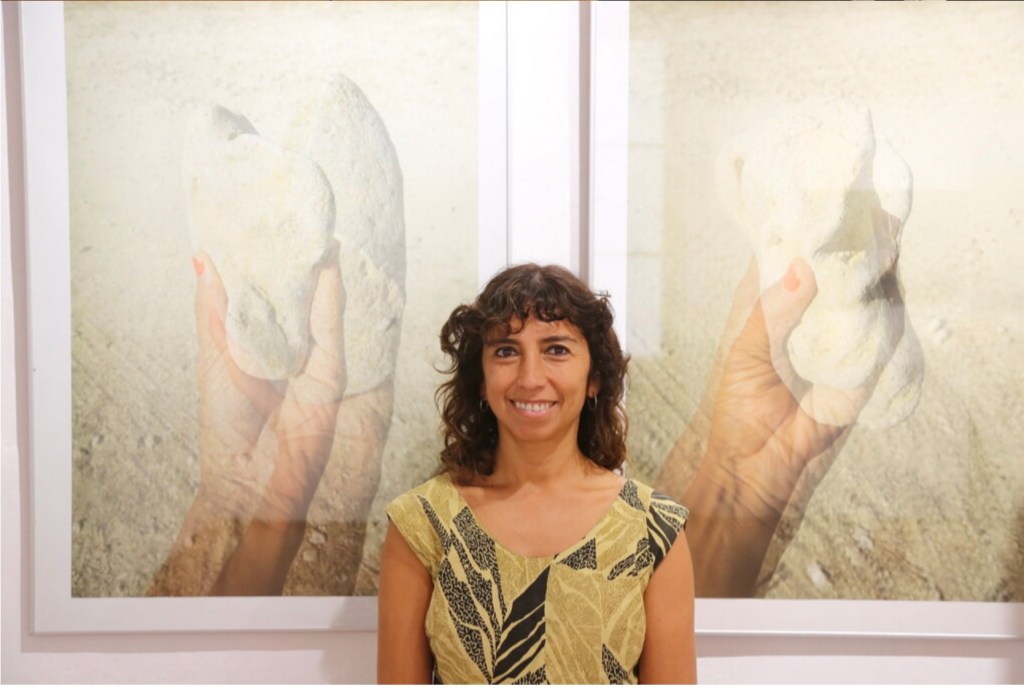
Athens for a Stranger at Matka in Bucharest!

Athens for a Stranger was a temporary intervention I set up at Matka in Bucharest, in the context of the Ntizeza residency in October 15. For this, I invited 20 Athens based artists and writers to send images and texts that attempted to introduce the city to someone who had never been there.
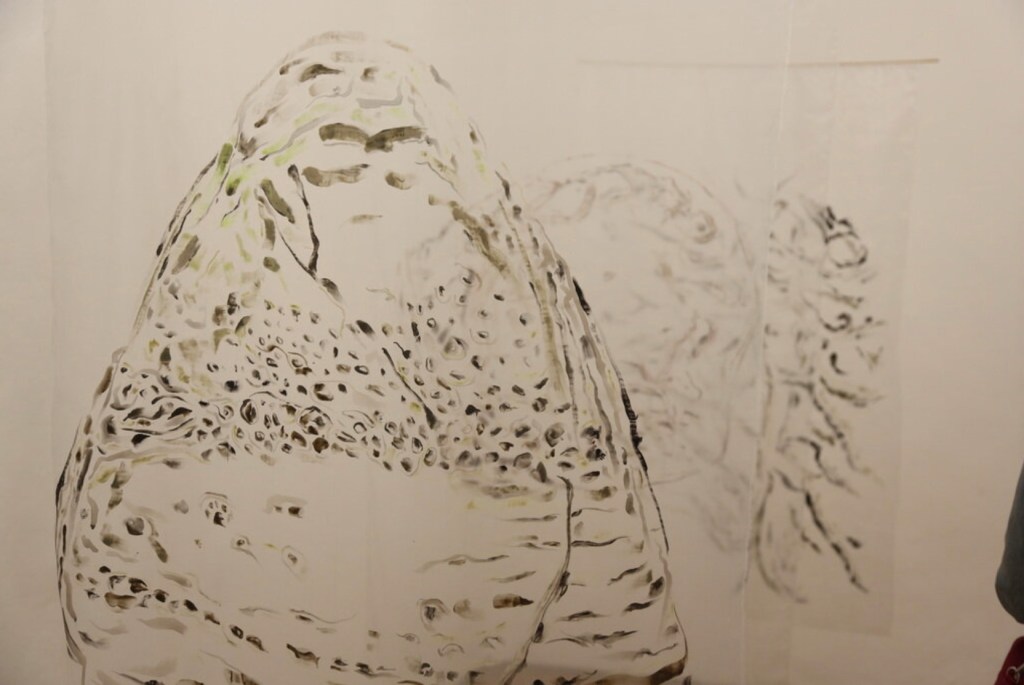
The results can be seen here in pdf format:

The contributions were made by :

Anna Apostolidou, Vasilikí Sifostratoudaki, Katerina Botsari, Sofia Bempeza, Dimitra Ioannou, Fotiní Gouseti, Maaike Stutterheim, Dimitris Theodoropoulos, Alkisti Efthymiou, Eva Giannakopoulou, Dimitra Kondylatou, Marina Miliou-Theo, Eleni ‘officinalis’ Bouro, Sofía Grigoriadou, VASKOS (Vassilis Noulas and Kostas Tsimoulis), Petros Lolis, Sphinxes (Joanna Tsakalou and Manos Flessas), Timothy Laskaratos, cross section archive (María Lalou and Skafte Aymo-Boot), Nuno Cassola.