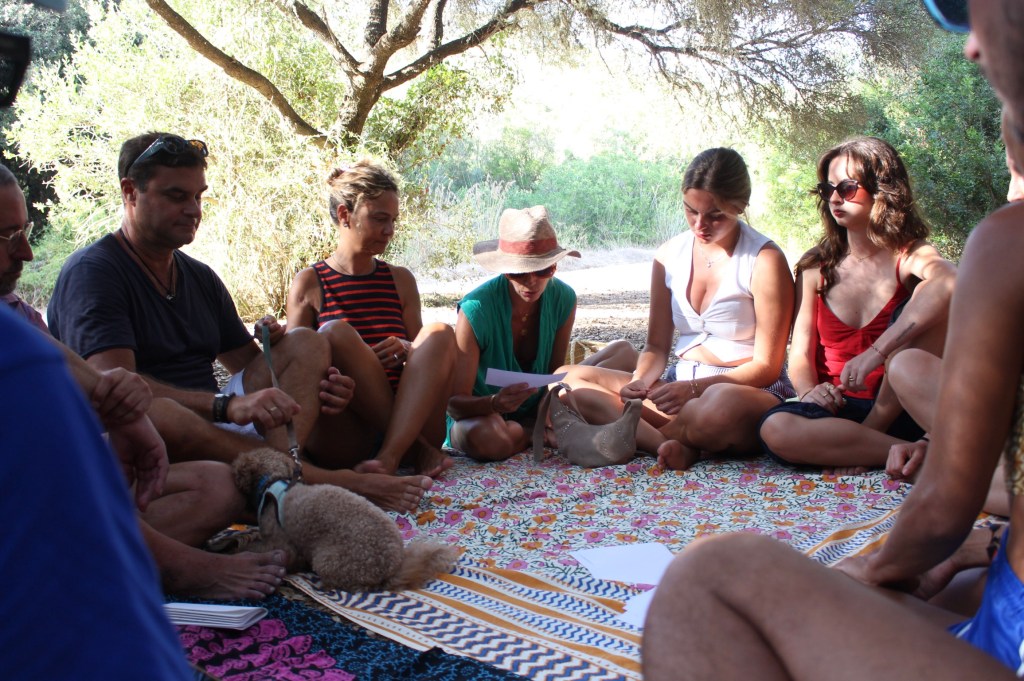
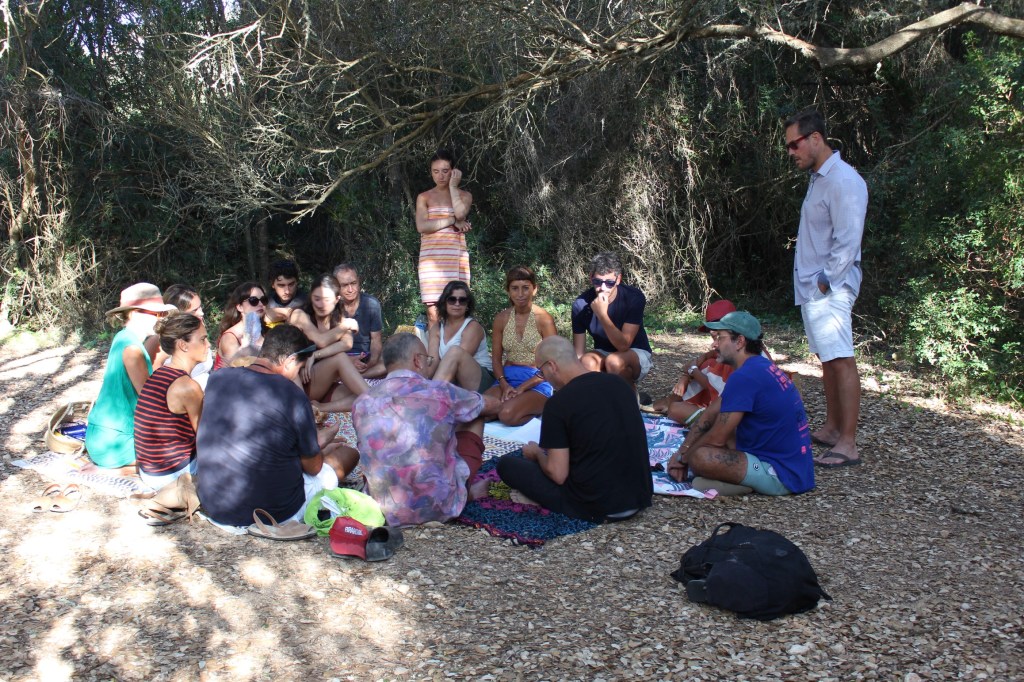
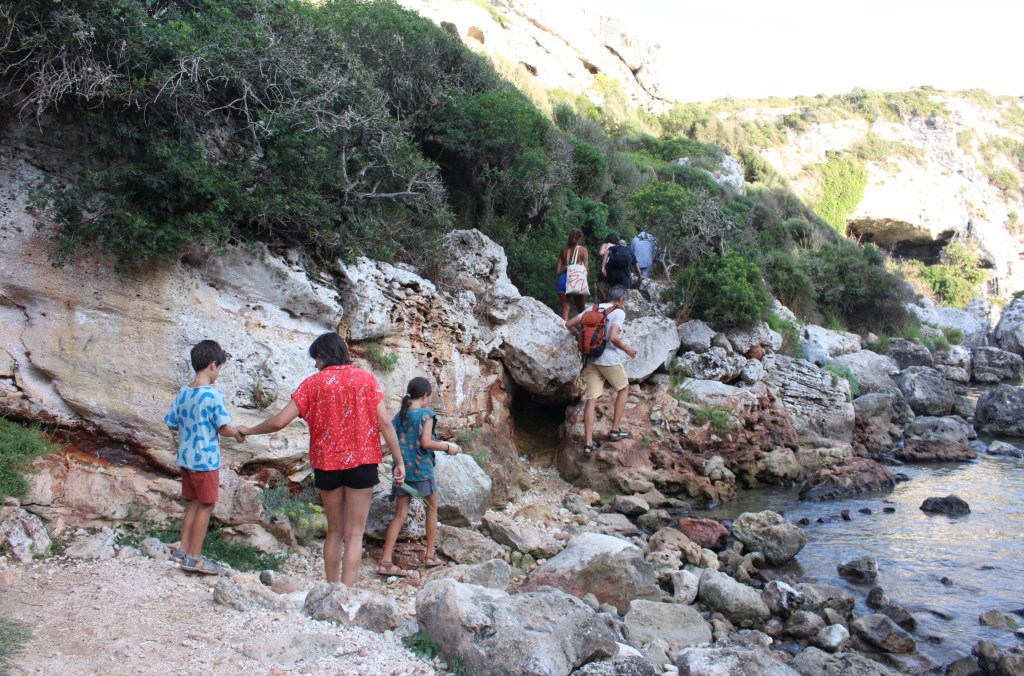
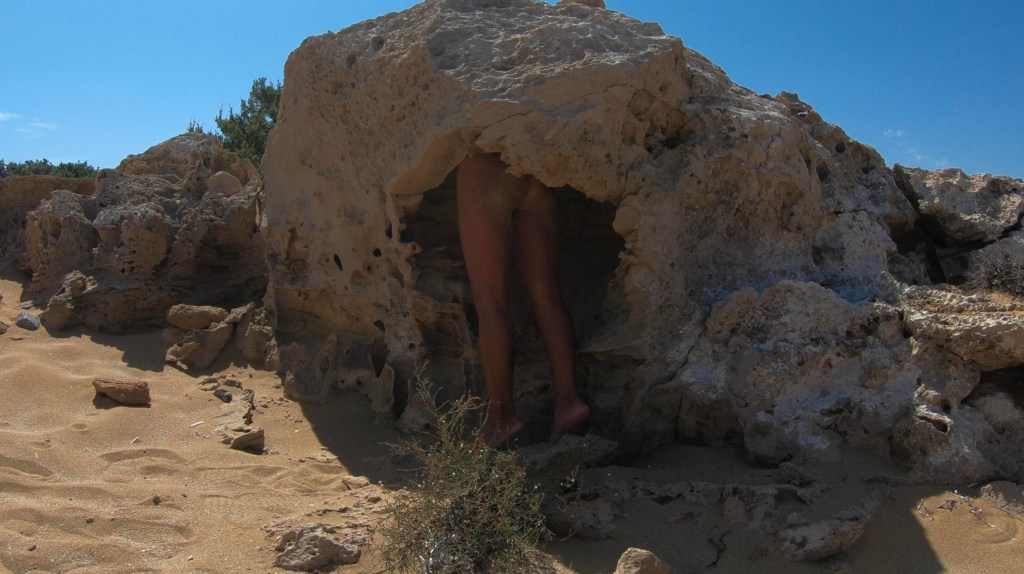
Fotos del día de cierre, con caminata en las cuevas, performance de Marc Vives y mi proyecto Nombrar Territorios Encantados, tomadas por Andriette Helm .
En julio pude conocer las mágicas cuevas menorquinas, gracias a la invitación de @casa_enhorabuena .
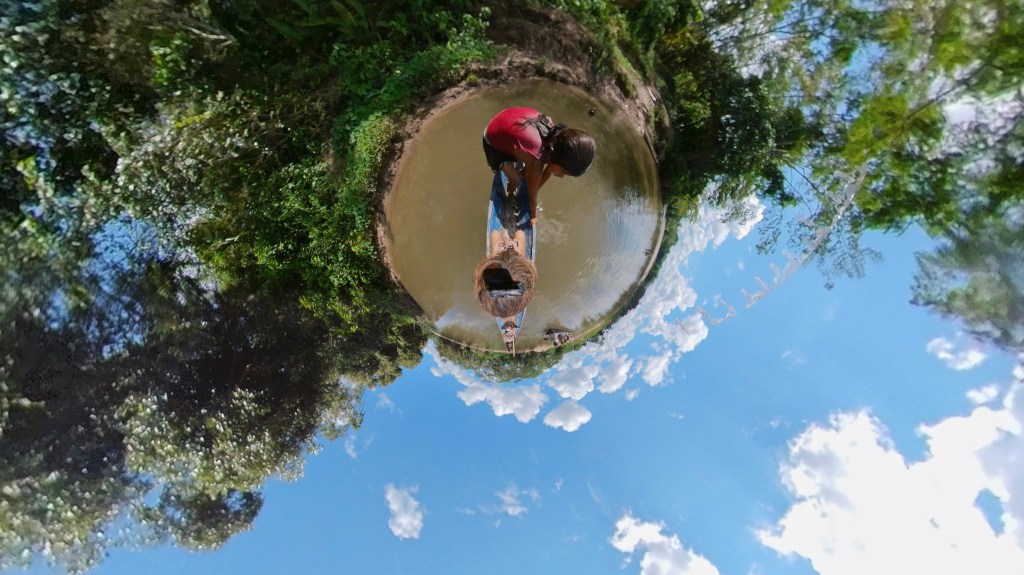
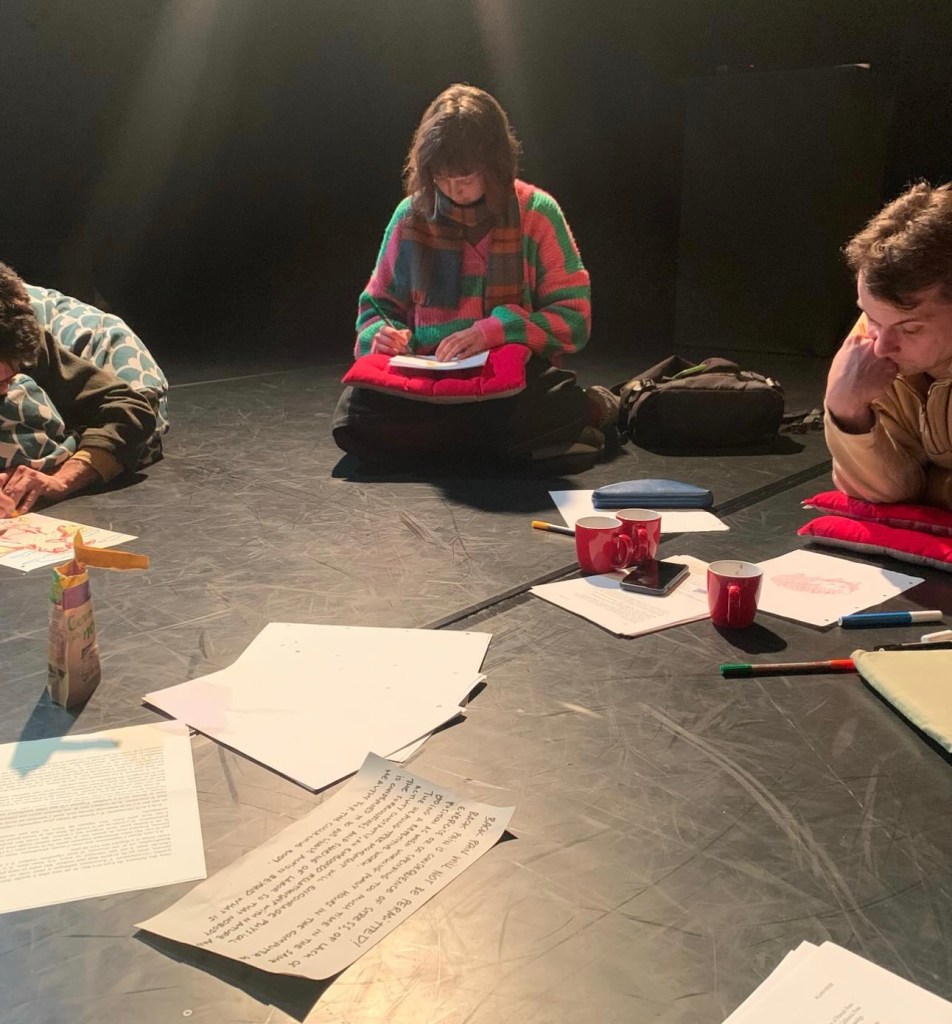
Hemos disfrutado compartiendo tiernos y graciosos gestos de hospitalidad y convivencia, renovando y empezando amistades, experimentando con movimientos, recetas y canciones. Yo pude seguir desarrollando mis formas de conocer íntimamente rocas y árboles, stalkeando a mi pez favorito y hasta me atreví a cantar una canción, inspirada por quienes insistieron en vivir en esas cuevas hasta hace muy poco…
Y gracias a todxs lxs asistentes a “Nombrar territorios encantados”, nuestra sesión de cierre con lectura colectiva, caminata y escritura en Calas Coves. Larga vida a la Casa Enhorabuena y hasta pronto! 💥
In July I could visit the magical Menorcan caves, thanks to the invitation of @casa_enhorabuena .
We’ve enjoyed sharing tender and gracious gestures of hospitality and conviviality, renewing and making new friendships, experimenting with movements, recipes, and songs. I was able to continue developing my ways of getting to know rocks and trees intimately, stalking my favorite fish, and even daring to sing a song, inspired by those who insisted on living in those caves until very recently…
And thanks to everyone who came to “Naming Enchanted Territories”, our closing session with collective reading, walk and writing at Calas Coves. Long live to Casa Enhorabuana! Congratulations, and see you soon!💥
On June 8th my film Asking Trees, Birds and Ghosts About Future Images and Sounds was premiered through the Austrian National Broadcast Channel, ORF, in the framework of their Artist in Residency program and resulting from my participation in Pixel, Bytes and Film. The film is accessible in the Austrian territory through this link and is currently on view at the exhibition Earthly Communities in Kunst Merano, Italy.
El 8 de junio se estrenó mi película «Preguntando a árboles, pájaros y fantasmas sobre imágenes y sonidos futuros» a través del Canal Nacional de Radiodifusión de Austria (ORF), en el marco de su programa de Artistas en Residencia y como resultado de mi participación en Pixel, Bytes and Film. La película está disponible en Austria a través de este enlace y actualmente se exhibe en la exposición «Earthly Communities» en Kunst Merano, Italia.
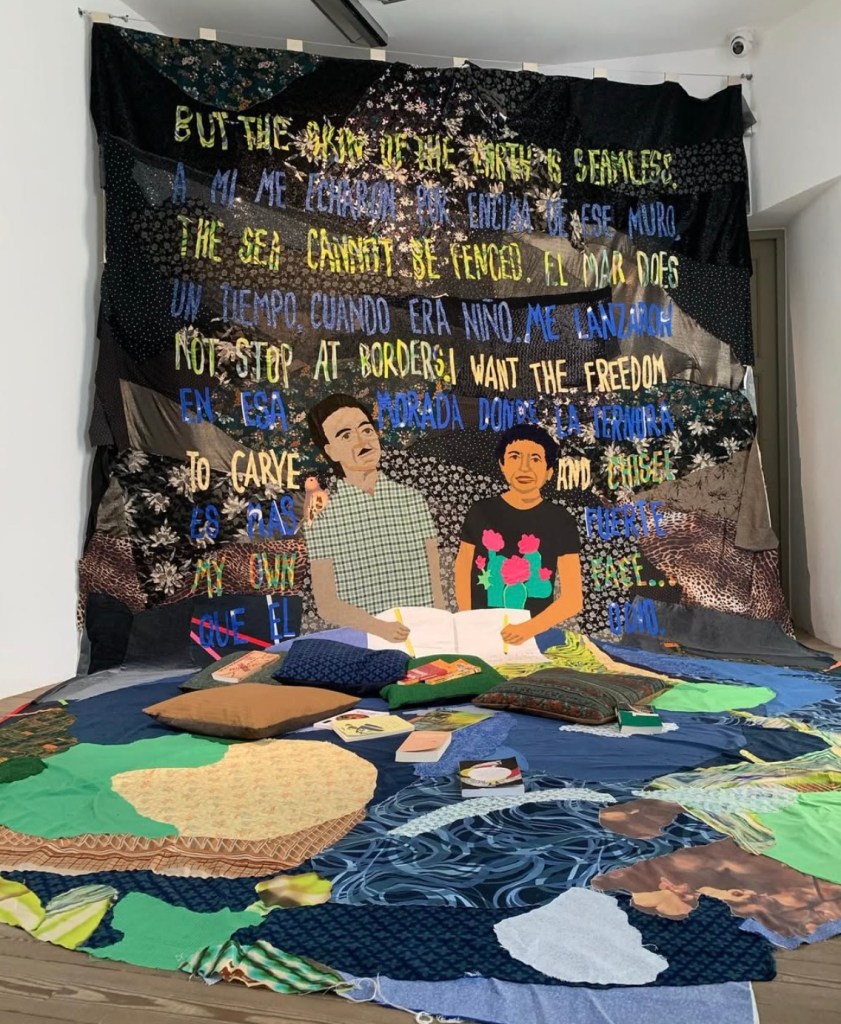
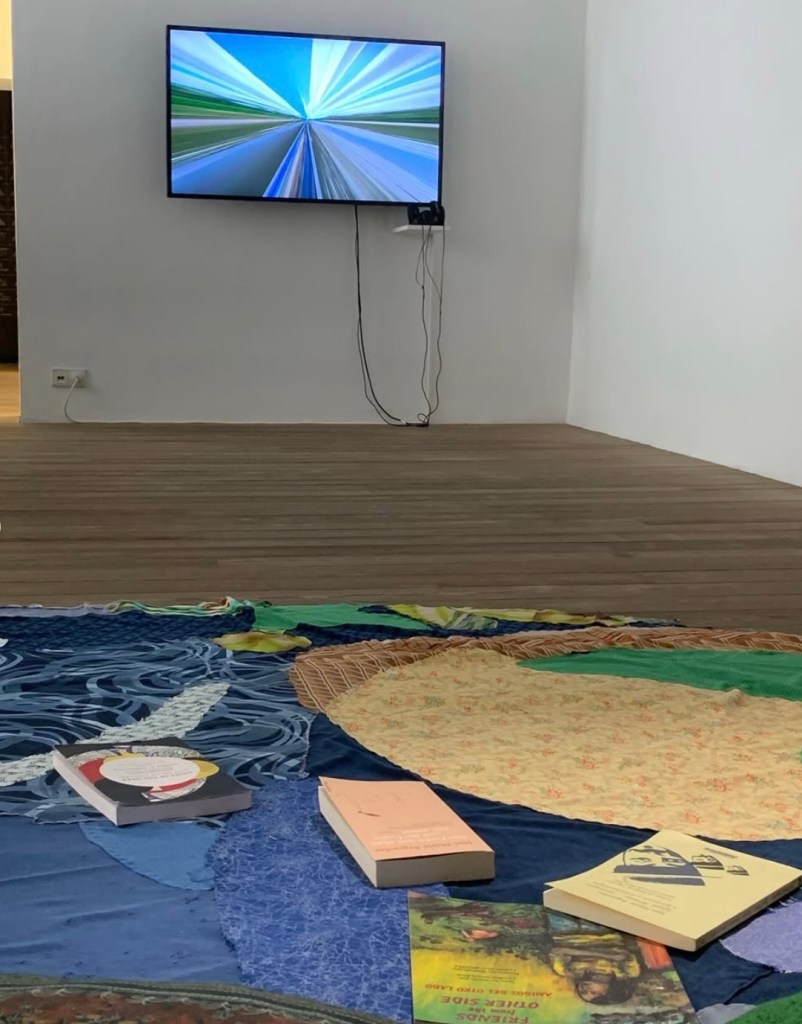
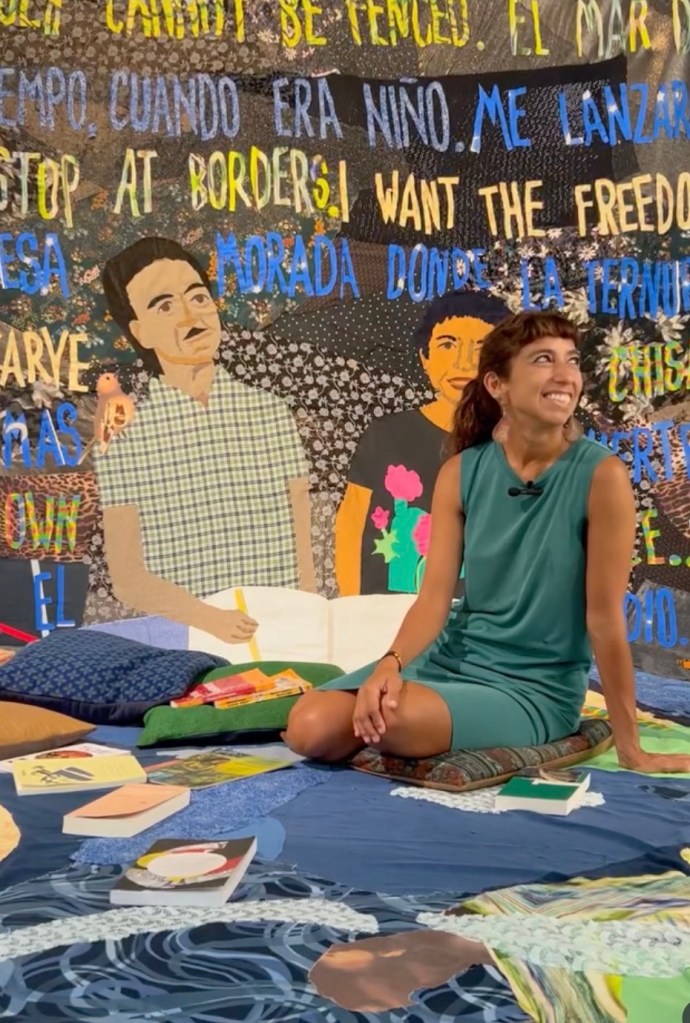
With delay I report about Earthly Communities, the collective exhibition currently on view at Kunst Merano in Italy. It is curated by the amazing duo of Simone Frangi and Lucrezia Cippitelli, who decided to include my textil installation An Imagined Friendship (Un Tambito Espiritual), where I gather José María Arguedas and Gloria Anzaldúa writing together on a table which is the world «upside down» (as if there would be up and down in the universe!). In front of the work, the audience can watch my last film work, Asking Trees, Birds and Ghosts About Future Images and Sounds.
The exhibition will close on October 12th screening Walking and Singing Endangered Worlds, the longer version of Asking Trees…. Here some info about the show, from the website of the museum:
«Duration: 22.06 – 12.10.2025 Artists: AMAZON, Minia Biabiany, Marilyn Boror Bor, Carolina Caycedo,Ismael Condoii, Luigi Coppola, Etienne de France, Alexandra Gelis, Mazenett Quiroga, Laura Huertas Millán, Eliana Otta, Amanda Piña, Naomi Rincón-Gallardo, Sallisa Rosa, Samuel Sarmiento Curators: Lucrezia Cippitelli, Simone Frangi
From 22 June to 12 October 2025, Kunst Meran Merano Arte presents the collective exhibition project Earthly Communities, which, through visual language, performative action and film production, explores ecological, economic and geopolitical issues in respect to the history of relations between Europe and Abya Yala, i.e. Latin America interpreted in a decolonial key, and starting from the South Tyrolean context. The exhibition marks the second year of the three-year curatorial research programme The Invention of Europe, curated by Lucrezia Cippitelli and Simone Frangi, dedicated to presenting a critical investigation of the idea of Europe as an ideological and physical construction, focusing on the historical processes that led to its definition at the expense of other continental spaces and the impact they have had on the contemporary world.
Following the speculative image of a human hand digging into the ground, Earthly Communities brings together artistic practices that have a connection to Abya Yala and their diasporas that investigate the invasive action of European imperialism in the contexts of agriculture, archaeology, urbanism and extractivism, revealing forms of relationships based on coloniality. (…)»
—–
Con retraso informo sobre Earthly Communities, la exposición colectiva que se exhibe actualmente en Kunst Merano, Italia. Ha sido curada por el genial dúo de Simone Frangi y Lucrezia Cippitelli, quienes decidieron incluir mi instalación textil Un Tambito Espiritual (Una Amistad Imaginada), donde reúno a José María Arguedas y Gloria Anzaldúa escribiendo juntos sobre una mesa que representa el mundo al revés (¡como si hubiera arriba y abajo en el universo!). Frente a la obra, el público puede ver mi último video, Asking Trees, Birds and Ghosts About Future Images and Sounds. La exposición cerrará el 12 de octubre con la proyección de Walking and Singing Endangered Worlds, la versión más extensa de Asking Trees…. Aquí más información sobre la muestra, disponible en la página web del museo:
«Duración: 22/06/2025 – 12/10/2025 Artistas: AMAZON, Minia Biabiany, Marilyn Boror Bor, Carolina Caycedo, Ismael Condoii, Luigi Coppola, Etienne de France, Alexandra Gelis, Mazenett Quiroga, Laura Huertas Millán, Eliana Otta, Amanda Piña, Naomi Rincón-Gallardo, Sallisa Rosa, Samuel Sarmiento Curadores: Lucrezia Cippitelli, Simone Frangi
Del 22 de junio al 12 de octubre de 2025, Kunst Meran Merano Arte presenta el proyecto expositivo colectivo Earthly Communities, que, a través del lenguaje visual, la acción performativa y la producción cinematográfica, explora cuestiones ecológicas, económicas y geopolíticas en relación con la historia de las relaciones entre… Europa y Abya Yala, es decir, Latinoamérica, interpretada en clave decolonial, a partir del contexto del Tirol del Sur. La exposición marca el segundo año del programa trienal de investigación curatorial «La invención de Europa», comisariado por Lucrezia Cippitelli y Simone Frangi, dedicado a presentar una investigación crítica de la idea de Europa como construcción ideológica y física, centrándose en los procesos históricos que llevaron a su definición en detrimento de otros espacios continentales y su impacto en el mundo contemporáneo.
Siguiendo la imagen especulativa de una mano humana excavando en la tierra, Comunidades Terrestres reúne prácticas artísticas vinculadas a Abya Yala y sus diásporas, que investigan la acción invasora del imperialismo europeo en los contextos de la agricultura, la arqueología, el urbanismo y el extractivismo, revelando formas de relación basadas en la colonialidad. (…)»
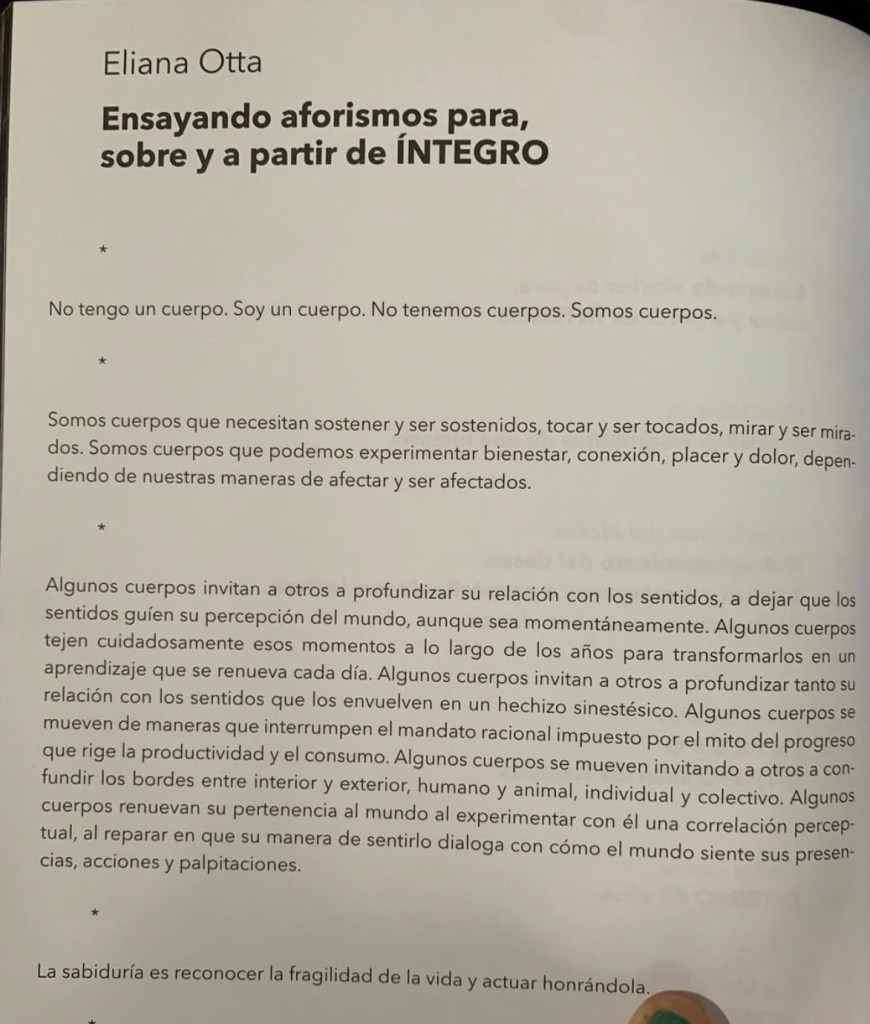
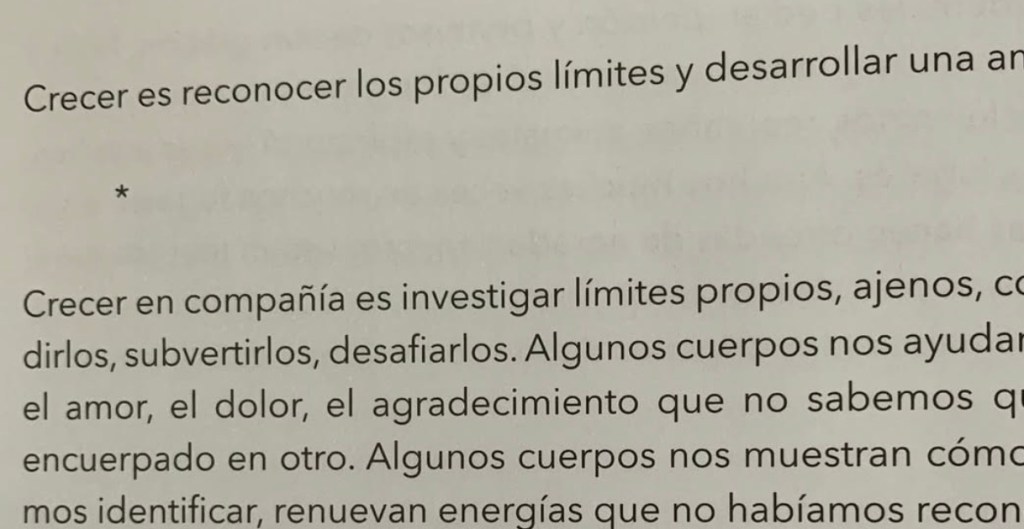
Muy contenta de por fin tener el libro Tensar el Presente/Hilar el Futuro, editado por Oscar Naters @oscar_naters , Ana Zavala @ana.zavalarios y Mijaíl Mitrovic @mijailmitrovic por los 40 años de Íntegro @integroperuoficial . Mi texto Ensayando aforismos para, sobre y a partir de Íntegro está muy bien acompañado por los de Mario Bellatin y Luz María Bedoya @luzmariabedoya___ , entre otros. Y el diseño de Ralph Bauer @r_bauer_design_etc es como siempre, impecable. No se pierdan la presentación oficial, mañana miércoles 5 a las 18:00 en la Alianza Francesa de Miraflores! Y salud por los próximos 40!
——————-
I am very happy to finally have the book Tensar el Presente/Hilar el Futuro, edited by Oscar Naters, Ana Zavala and Mijaíl Mitrovic for the 40th anniversary of Íntegro. My text Ensayando aforismos para, sobre y a partir de Íntegro is very well accompanied by those of Mario Bellatin and Luz María Bedoya among others. And Ralph Bauer’s design is, as always, impeccable. Don’t miss the official launch tomorrow! Cheers for the next 40!
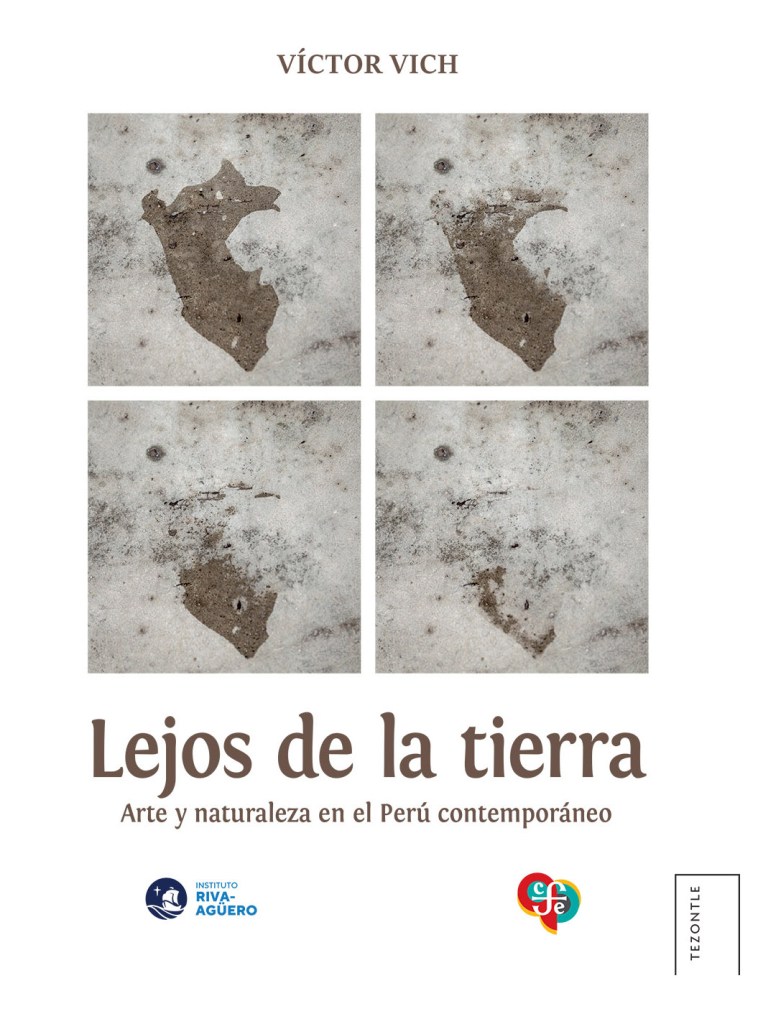
En diciembre salió el libro Lejos de la Tierra, escrito por el linguista y crítico cultural Víctor Vich. Es un bello libro que incluye sus textos recientes sobre arte contemporáneo peruano en relación a la naturaleza. Está disponible en la librería El Virrey, Sur y en la librería del Fondo de Cultura Económica.
Tabla de contenidos:
1. El arte peruano en la era del antropoceno
2. Secularizar el aura: el árbol de la vida de Carmen Reátegui.
3. ¿Qué es el pueblo, qué son las plantas?: el Plantón Móvil de Lucía Monge
4. No se trata de oponerse a la minería; más bien, se trata de identificarse con ella: “La última Reyna” de Cerro de Pasco
5. Ecología y capitalismo según Carlín
6. El apocalipsis ya ha sucedido: apuntes sobre la obra de Cristina Planas
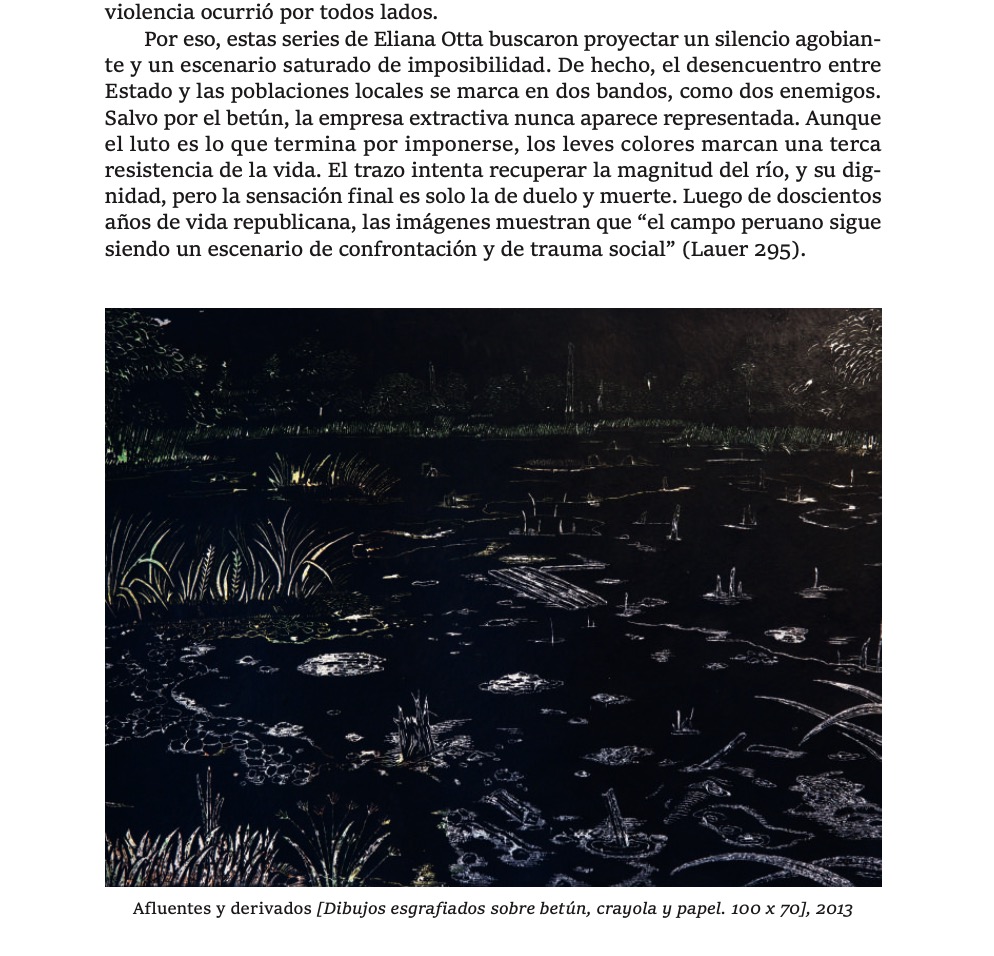
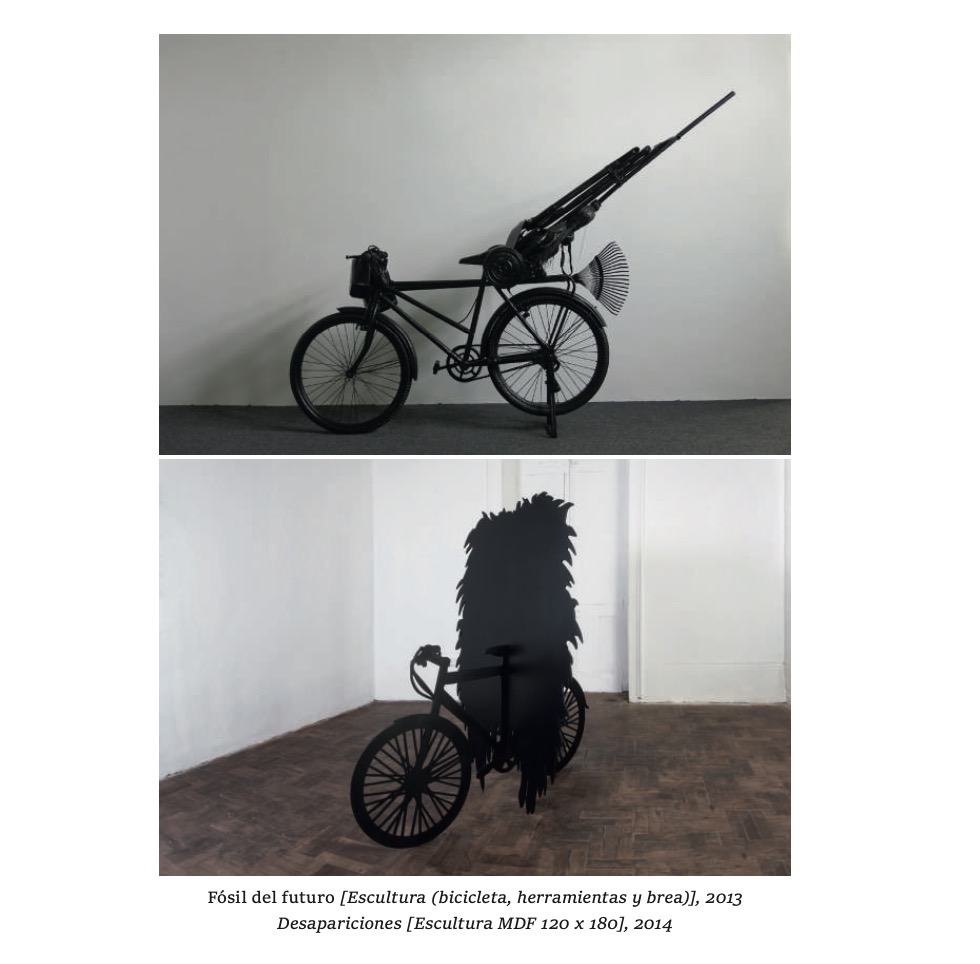
7. Un realismo traumático: el aparecer de la naturaleza en el arte de Eliana Otta
8. Un nuevo paisaje en construcción: la apuesta de Alejandro Jaime
9. Redimir la modernidad, totemizar el capitalismo: el arte chamánico de Jaime Miranda
10. Crisis de la ciudad y de la naturaleza en las fotografías de Edi Hirose
11. Habitar de nuevo: naturaleza y cultura en las intervenciones de Ishmael Randall
12. Fotografiar sin cámara: el arte sublime de Roberto Huarcaya
13. “Al futuro se llega de espaldas”: (Conclusiones con Janine Soenens, Martha Morales y Gianine Tabja)
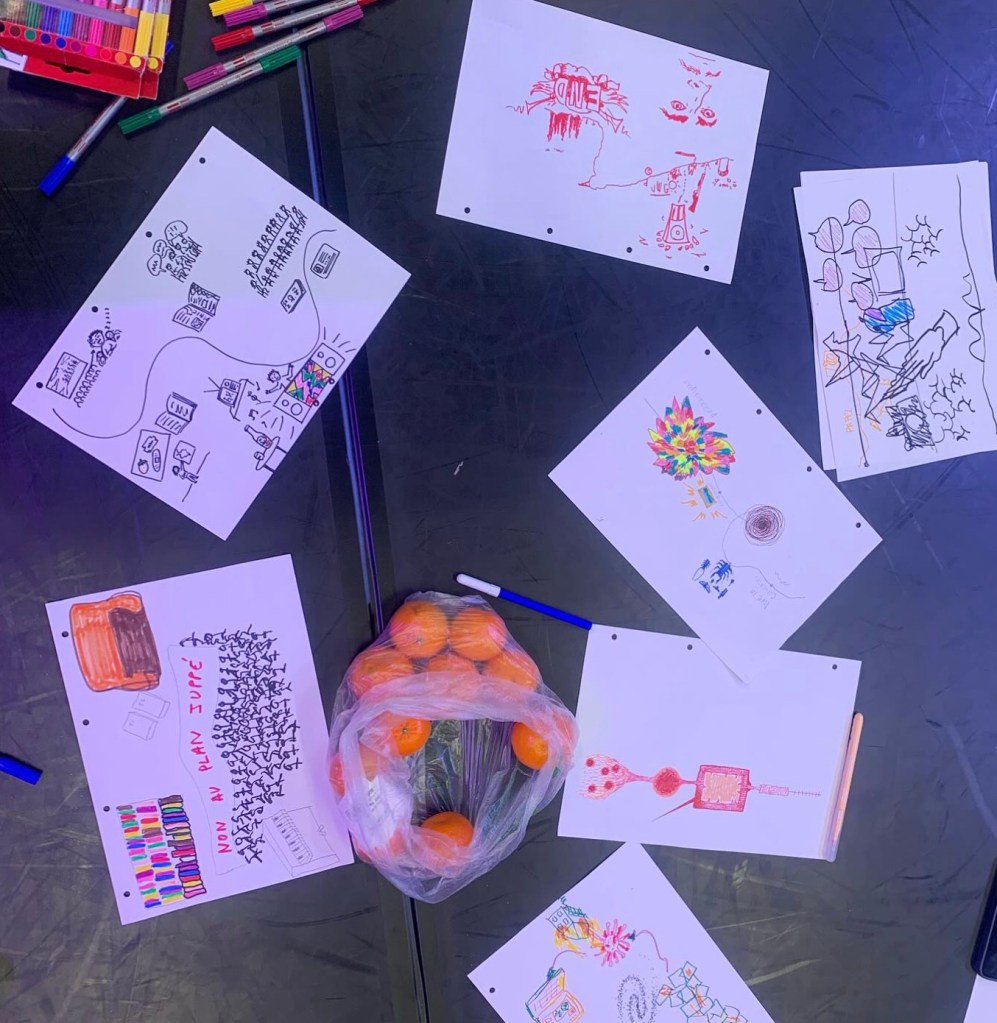
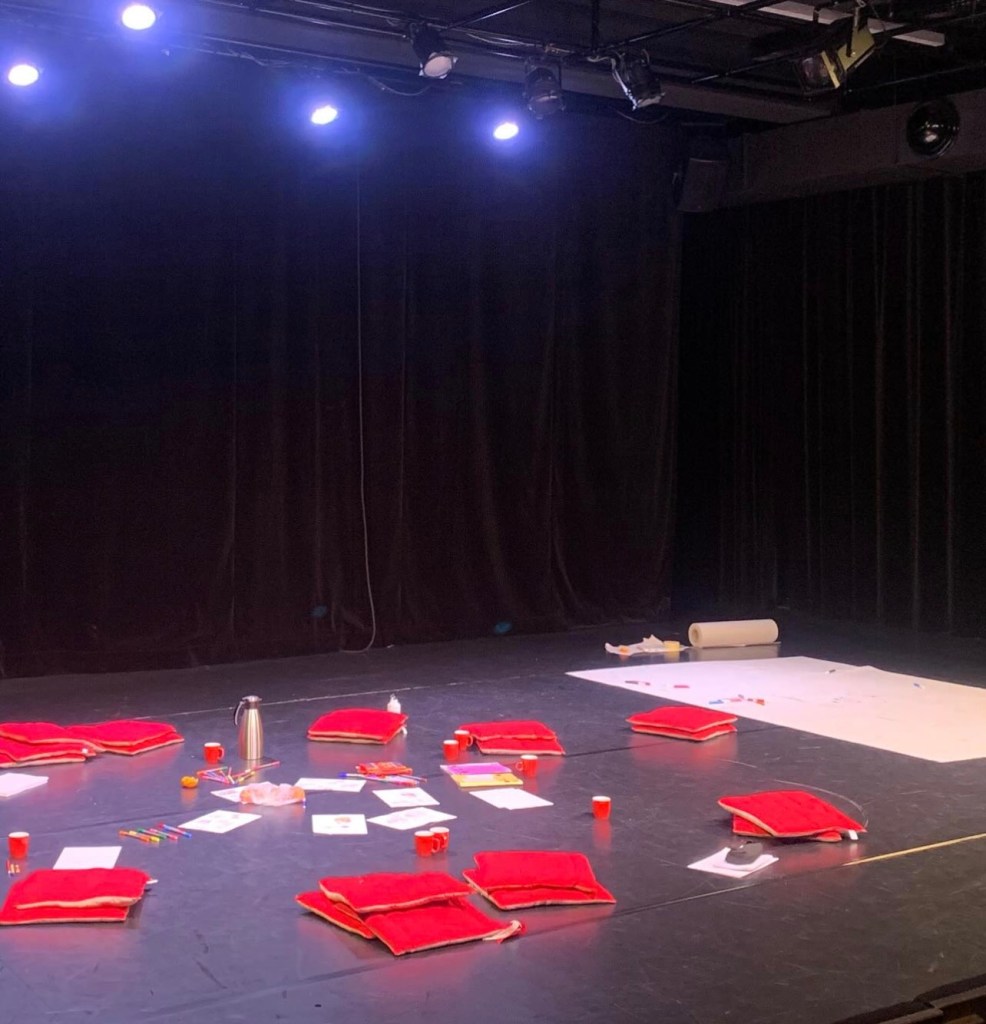
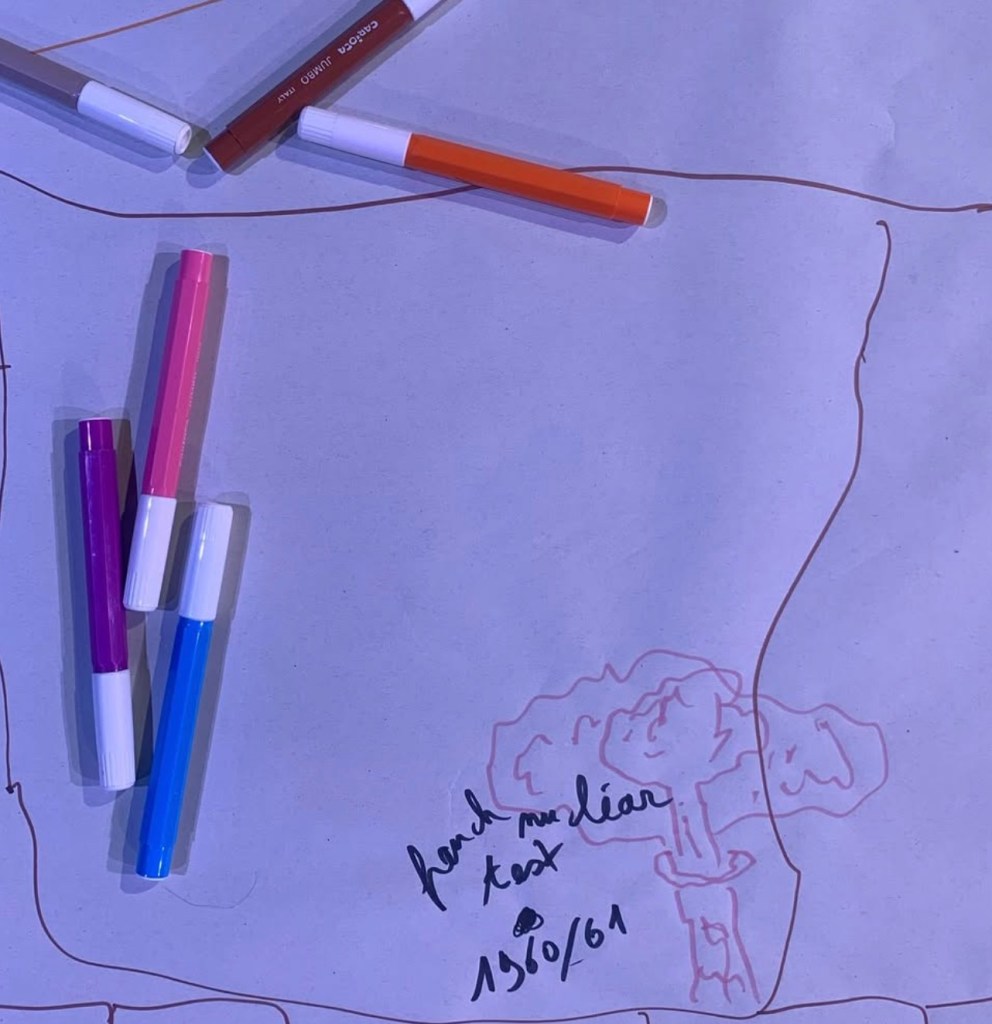
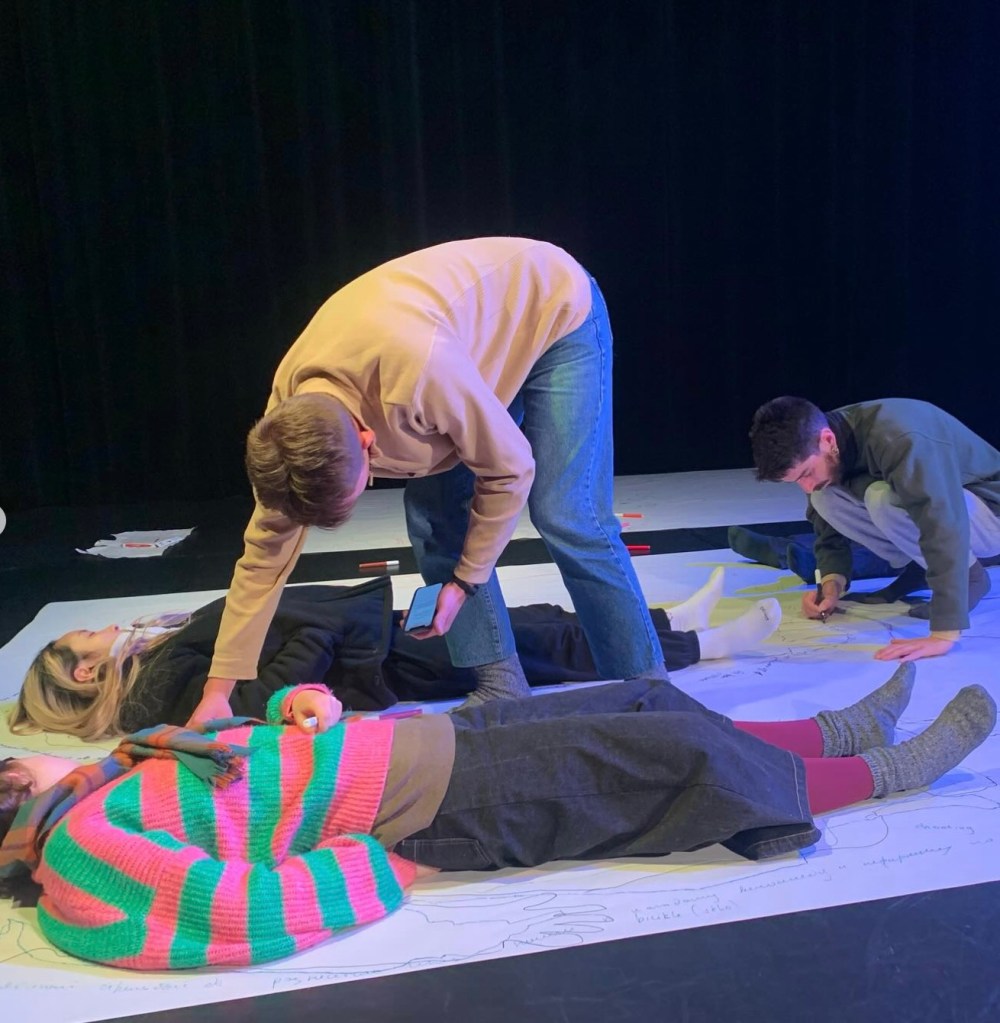
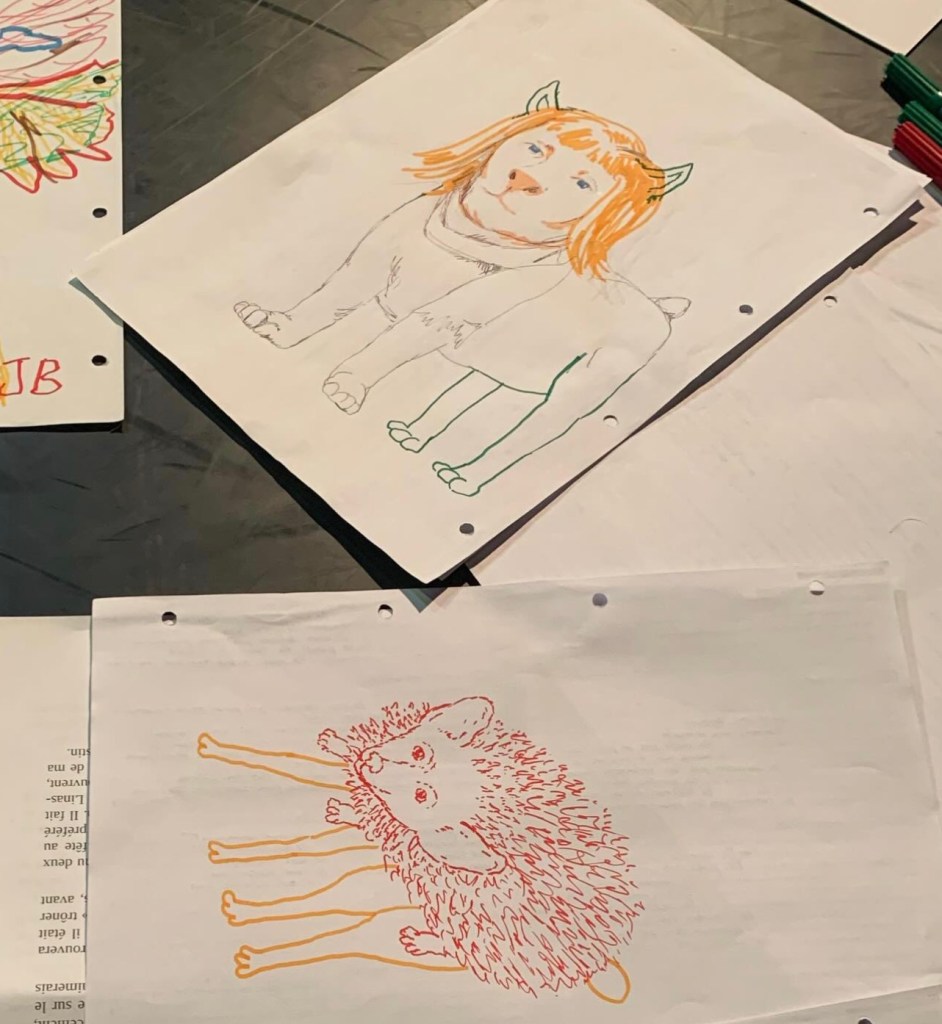
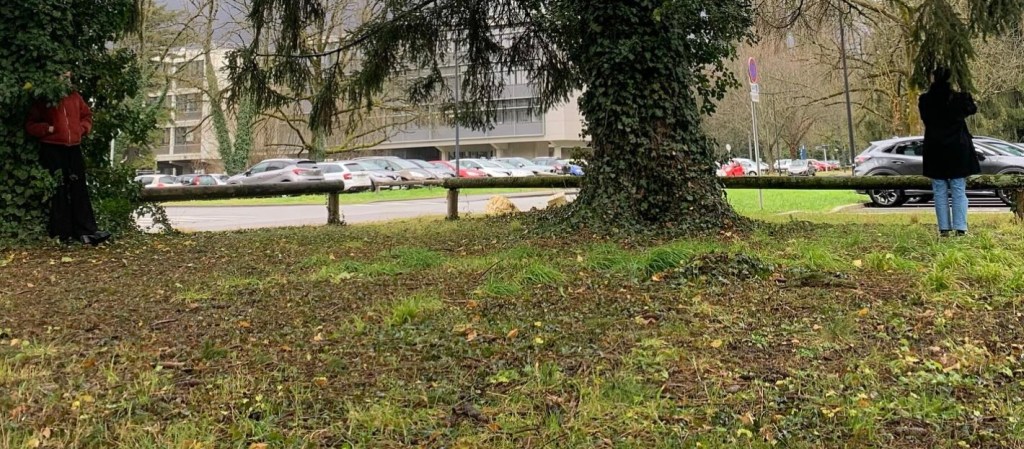
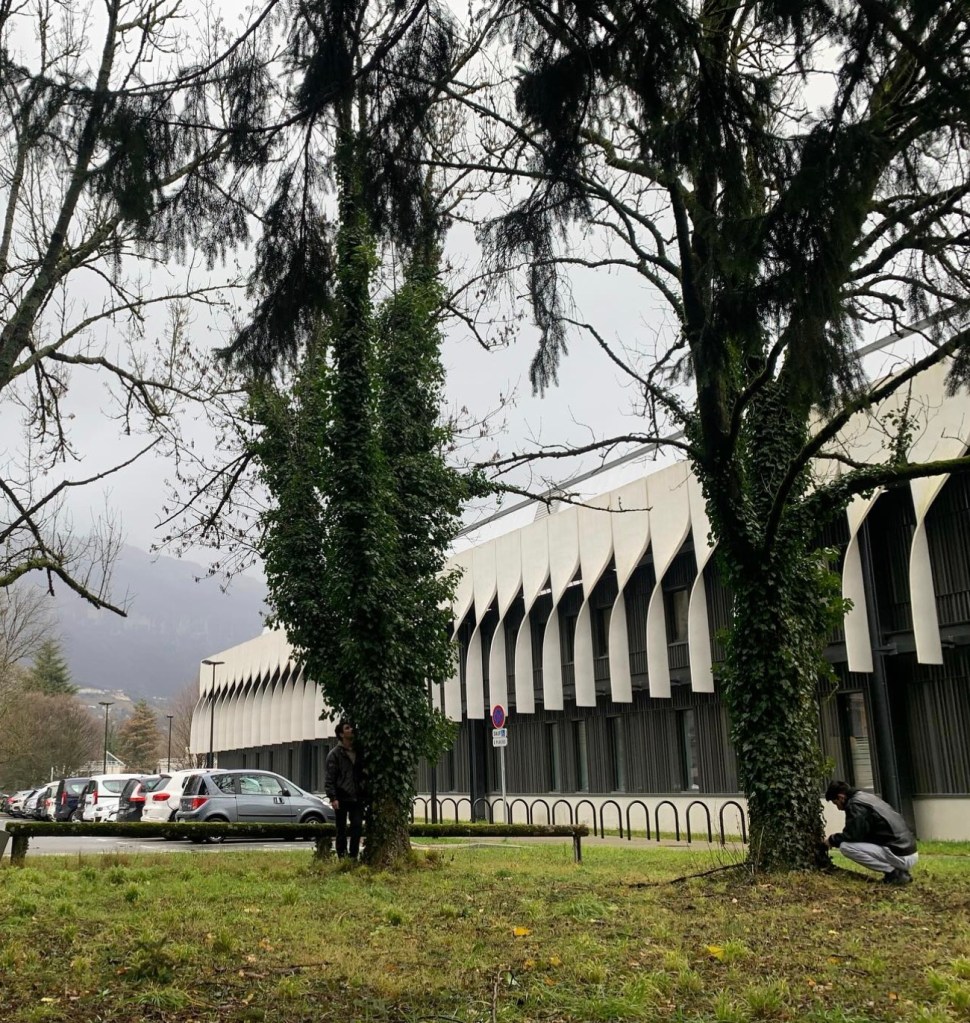
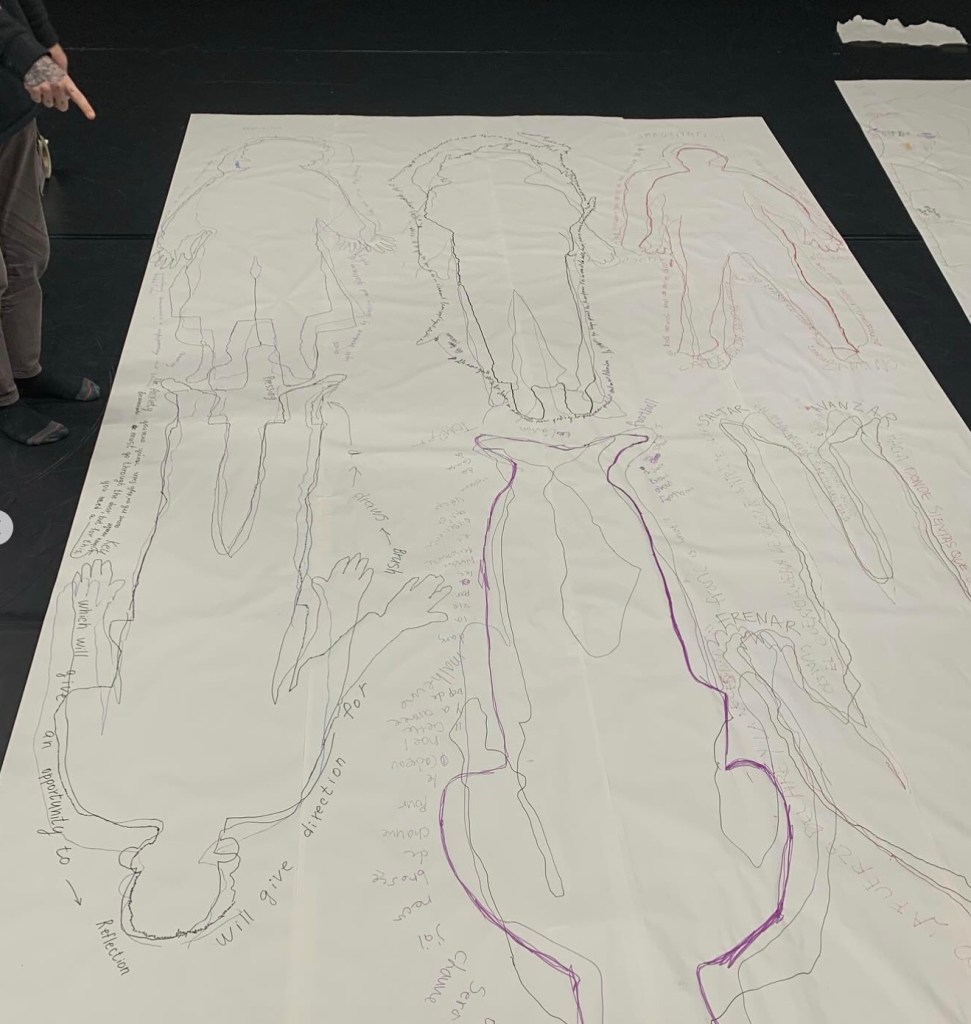
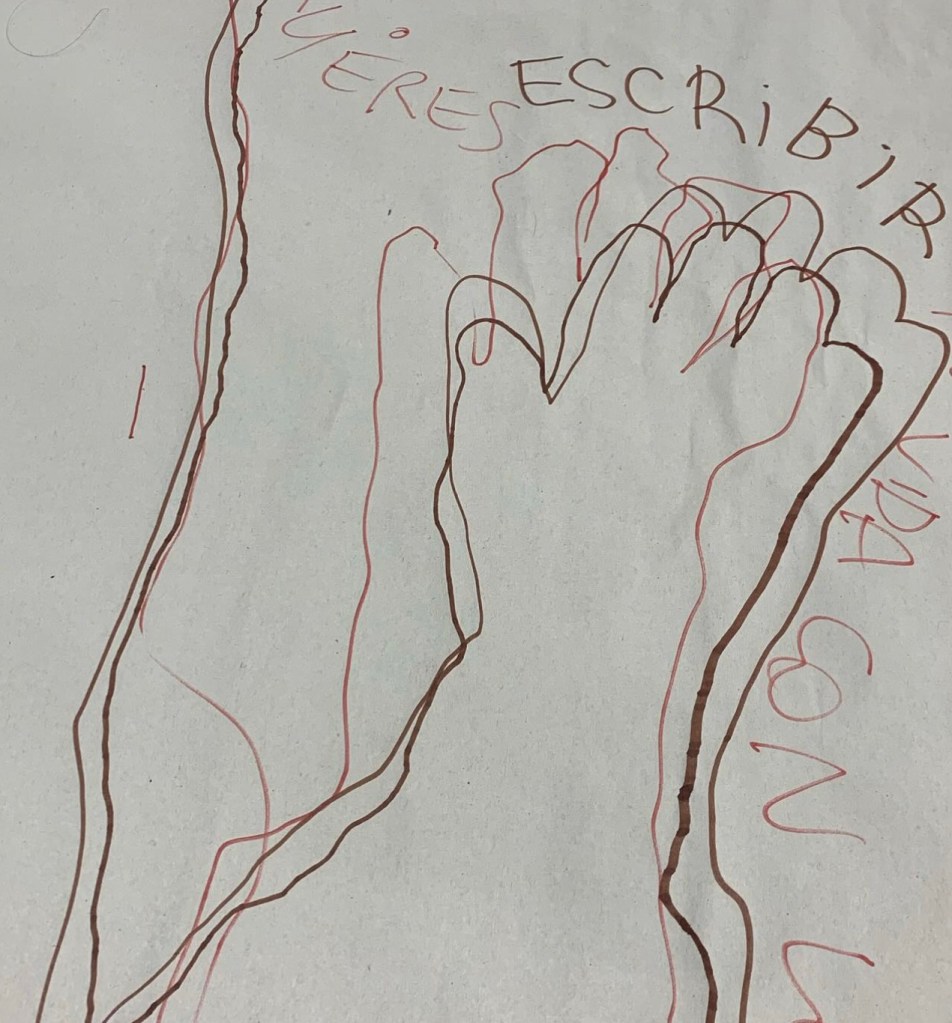
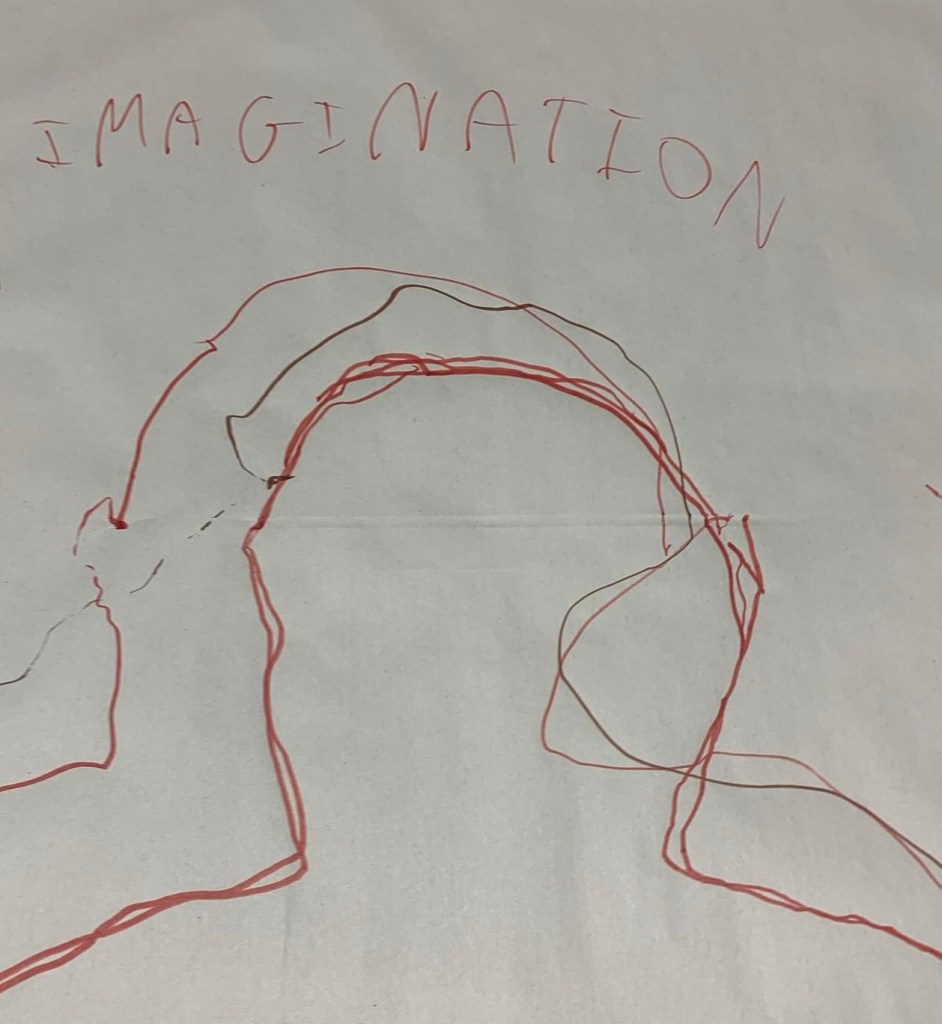
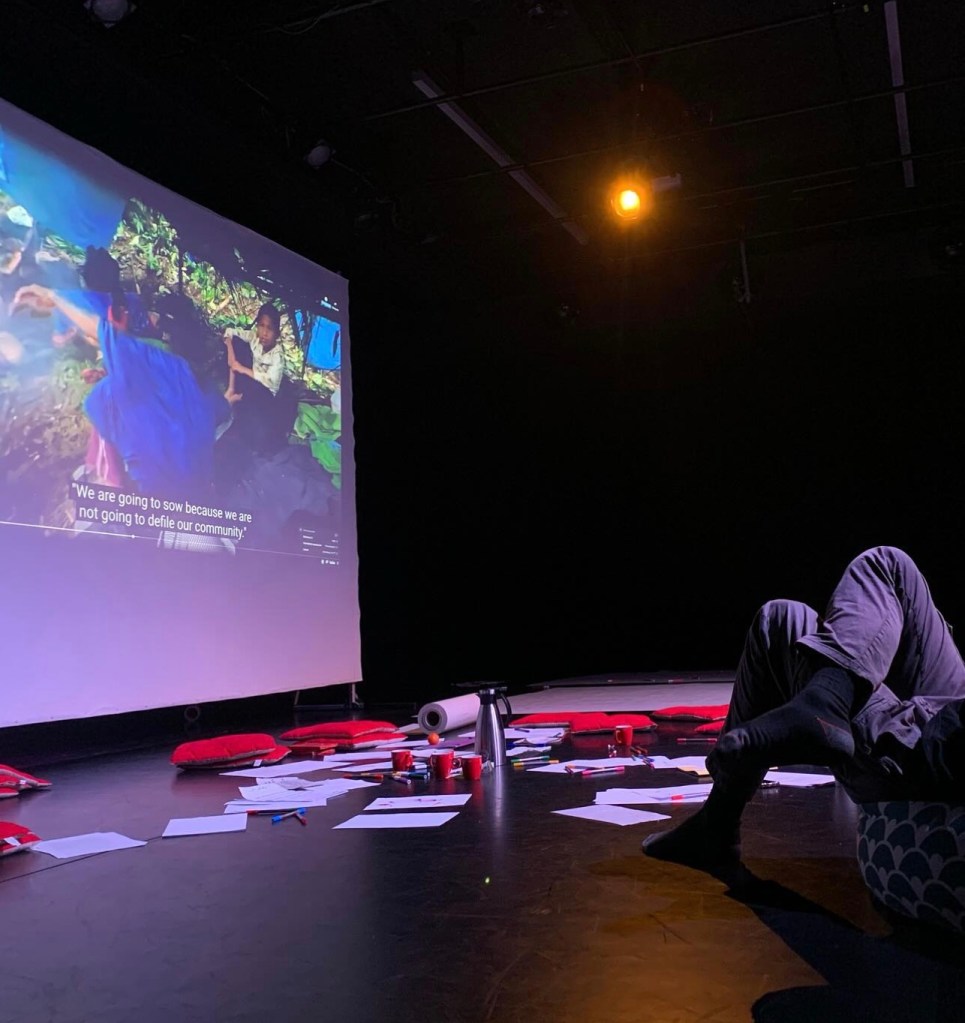
Big thanks to Simone Frangi and Katia Schneller for the invitation to give workshops some days ago in their fabulous Practices of Hospitality program at Esad Grenoble. And many thanks to Vincent, Jb, Mathieu, Elena, Pável, Hayoung, Theresa and Brunelle for their openness and curiosity. We learned and discussed about indigenous knowledge and concepts coming from struggles in so-called Latin America: body-territory, sentipensar and buen vivir, drawing our porous borders, our animality and our more than human family. We located pain in our bodies and the world, addressed trees as subjects, casted spells for each other and ended up exchanging some music since we also understand parties as community building practices. Looking forward to also have time to dance next time! 💥💥💥 Muchas gracias a Simone Frangi y Katia Schneller por la invitación a dar talleres hace unos días en su fabuloso programa Prácticas de Hospitalidad en Esad Grenoble. Y muchas gracias a Vincent, Jb, Mathieu, Elena, Pável, Hayoung, Theresa y Brunelle por su apertura y curiosidad. Aprendimos y discutimos sobre conocimientos indígenas y conceptos provenientes de las luchas en la llamada América Latina: cuerpo-territorio, sentipensar y buen vivir, dibujando nuestras fronteras porosas, nuestra animalidad y nuestra familia más que humana. Ubicamos el dolor en nuestros cuerpos y en el mundo, abordamos los árboles como sujetos, nos lanzamos hechizos y terminamos intercambiando música, ya que también entendemos las fiestas como prácticas que construyen comunidad. ¡Espero que alcance el tiempo para bailar la próxima vez!
Picture by Daniela BrasilPicture by Daniela Brasil
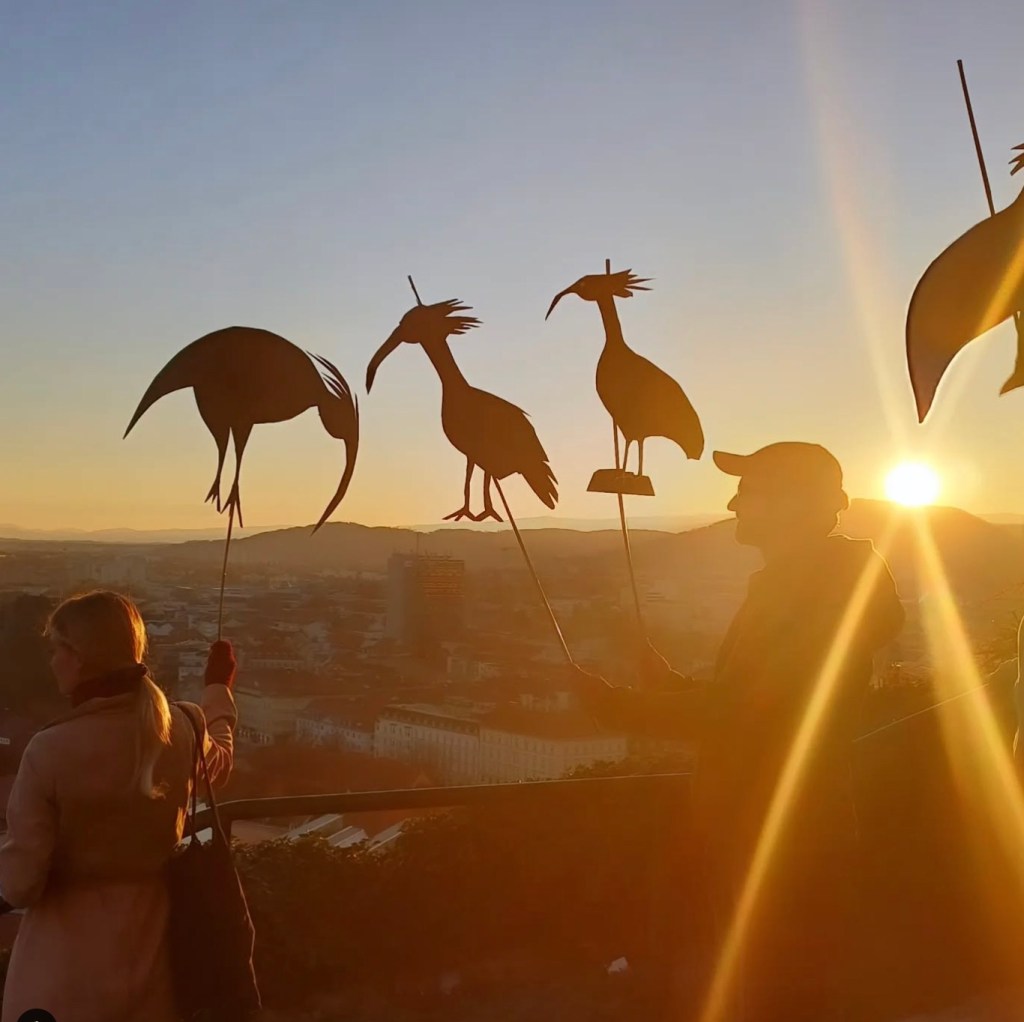
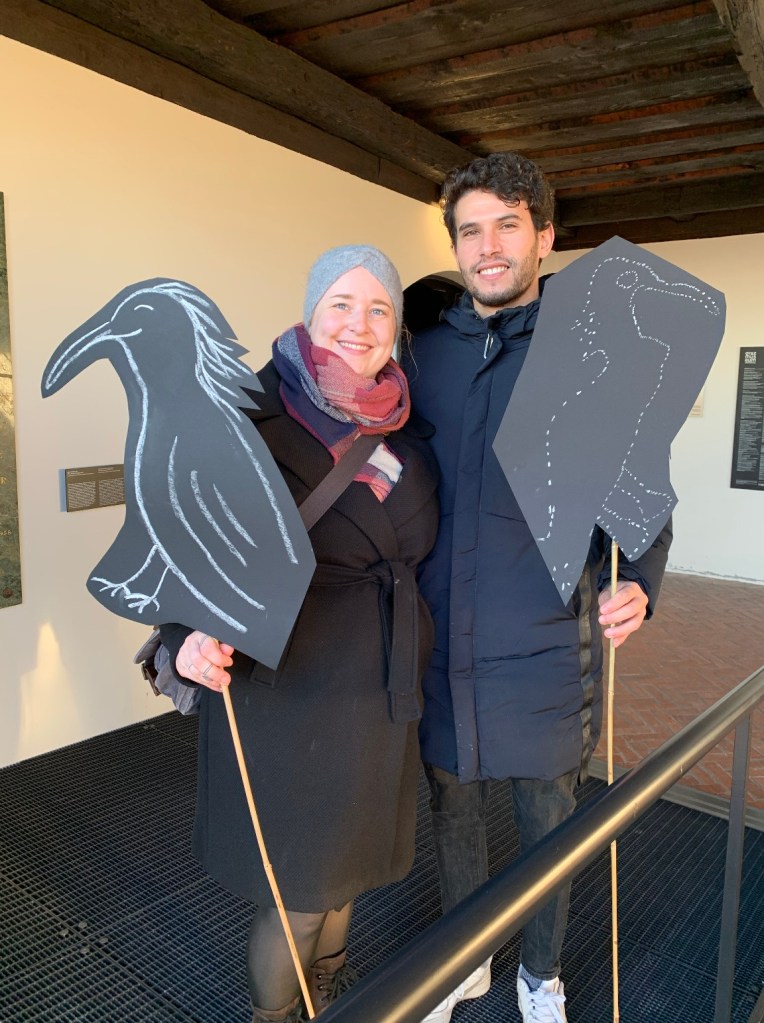
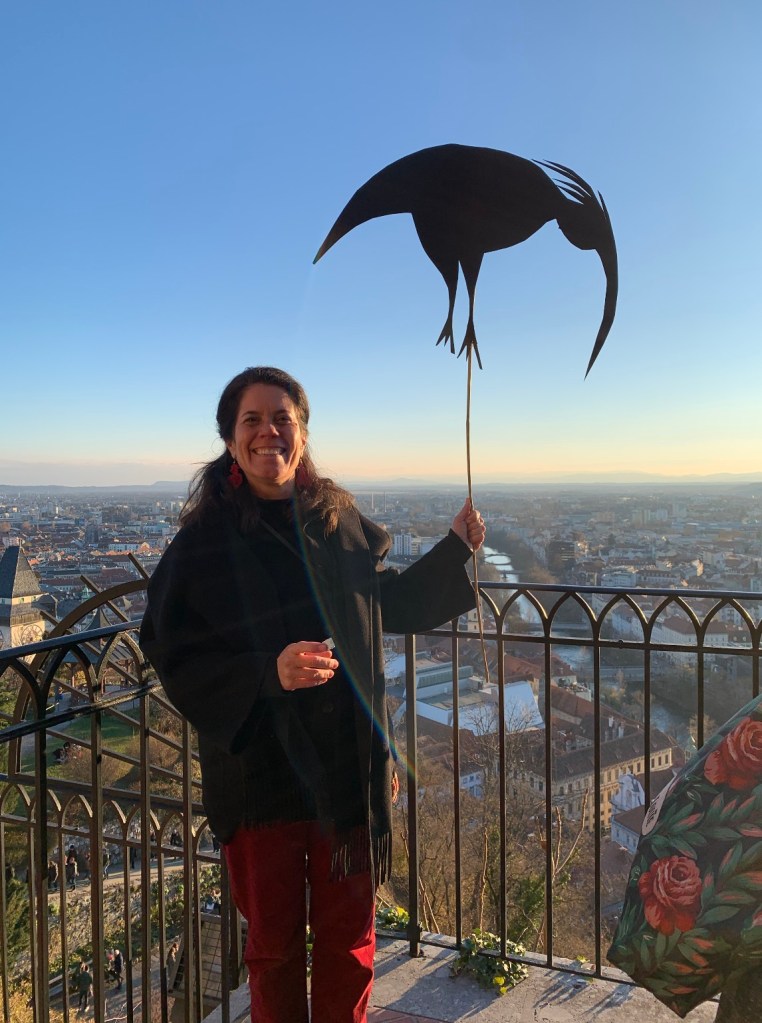
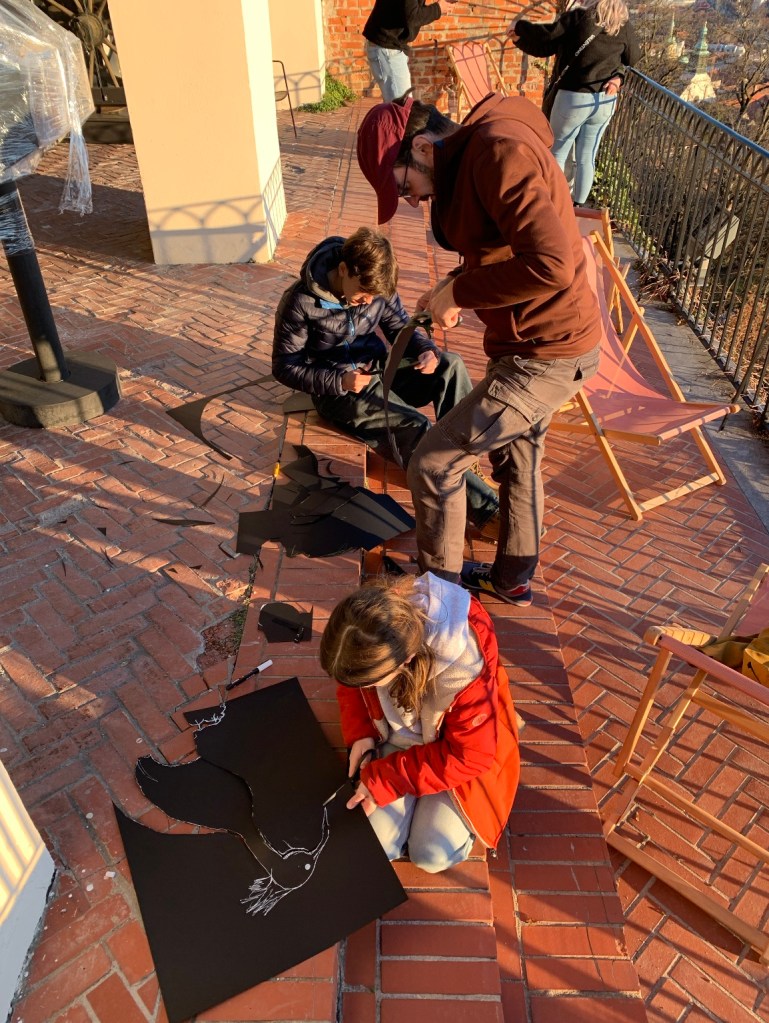
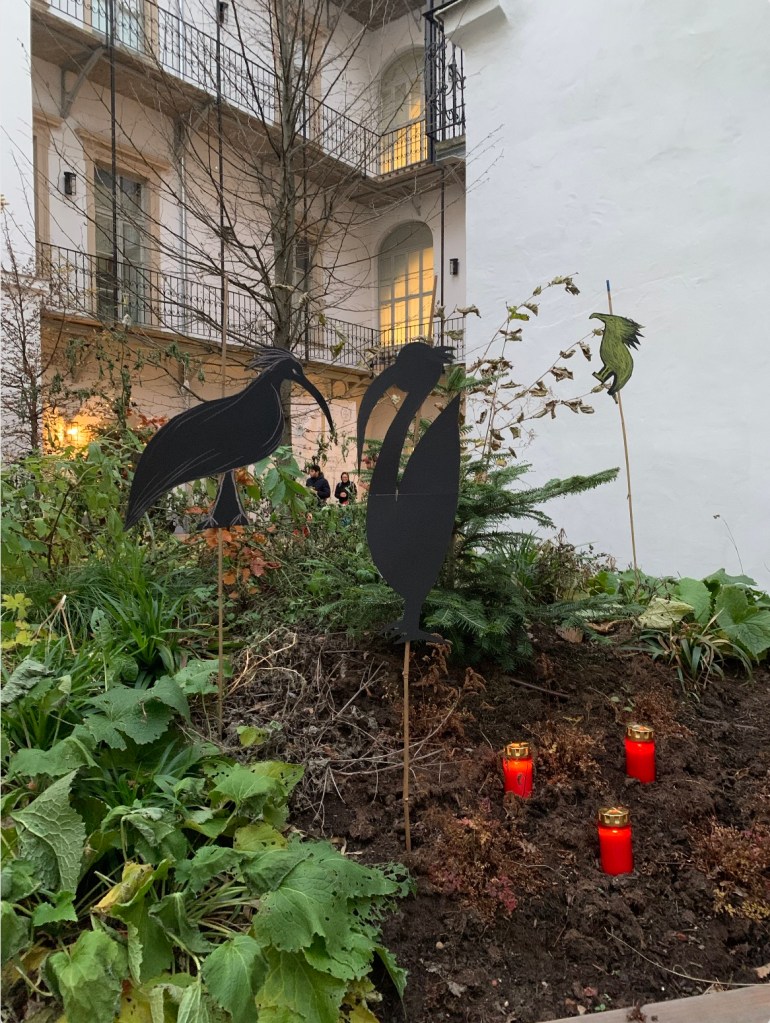
On November 30 I guided a procession dedicated to the Bald Ibis that used to live in Graz, Austria. Here’s the text inviting to the event, organized by Daniela Brasil, curator of the exhibition Habitat Graz at Graz Museum:
On the Remembrance Day for Lost Species, we embark on a historical journey to medieval Graz and follow in the footsteps of the Northern Bald Ibis to grieve for endangered and extinct species. Starting at the Graz Museum Schlossberg, where a preserved specimen of a Northern Bald Ibis is on display, we set off together on a mourning procession towards the medieval summer residence of the Northern Bald Ibis, finishing at the Graz Museum.
Following Eliana Otta’s invitation on how to hold collective mourning and regenerative processes, participants will create a collective commemorative piece to be installed in the Museum’s yard and the exhibition Habitat Graz “Altar for our more-than-human ancestors”. Martin Roland will share his collection of multi-faceted stories around the Waldrapp, going back to the symbolic and spiritual meaning humans constructed around this beautiful black bird all the way back to ancient Egypt.
With: Eliana Otta, Artist Martin Roland, Historian Österreichische Akademie der Wissenschaft Daniela Brasil, Curator Graz Museum
El 30 de noviembre guié una procesión dedicada al ibis calvo que solía vivir en Graz, Austria. He aquí el texto de invitación al acto, organizado por Daniela Brasil, comisaria de la exposición Hábitat Graz en el Museo de Graz:
En el Día del Recuerdo de las Especies Perdidas, nos embarcamos en un viaje histórico a la Graz medieval y seguimos los pasos del ibis calvo septentrional para llorar por las especies en peligro de extinción. Empezando en el Museo Schlossberg de Graz, donde se expone un ejemplar conservado de ibis calvo septentrional, partimos juntos en procesión de duelo hacia la residencia de verano medieval del ibis calvo septentrional, terminando en el Museo de Graz.
Siguiendo la invitación de Eliana Otta sobre cómo llevar a cabo procesos colectivos de duelo y regeneración, los participantes crearán una pieza conmemorativa colectiva que se instalará en el patio del Museo y en la exposición de Habitat Graz «Altar para nuestros antepasados más que humanos». Martin Roland compartirá su colección de historias polifacéticas en torno al Waldrapp, remontándose al significado simbólico y espiritual que los humanos construyeron en torno a esta hermosa ave negra hasta el antiguo Egipto.
Con: Eliana Otta, Artista Martin Roland, historiador Österreichische Akademie der Wissenschaft Daniela Brasil, conservadora del Museo de Graz
Traducción realizada con la versión gratuita del traductor DeepL.com
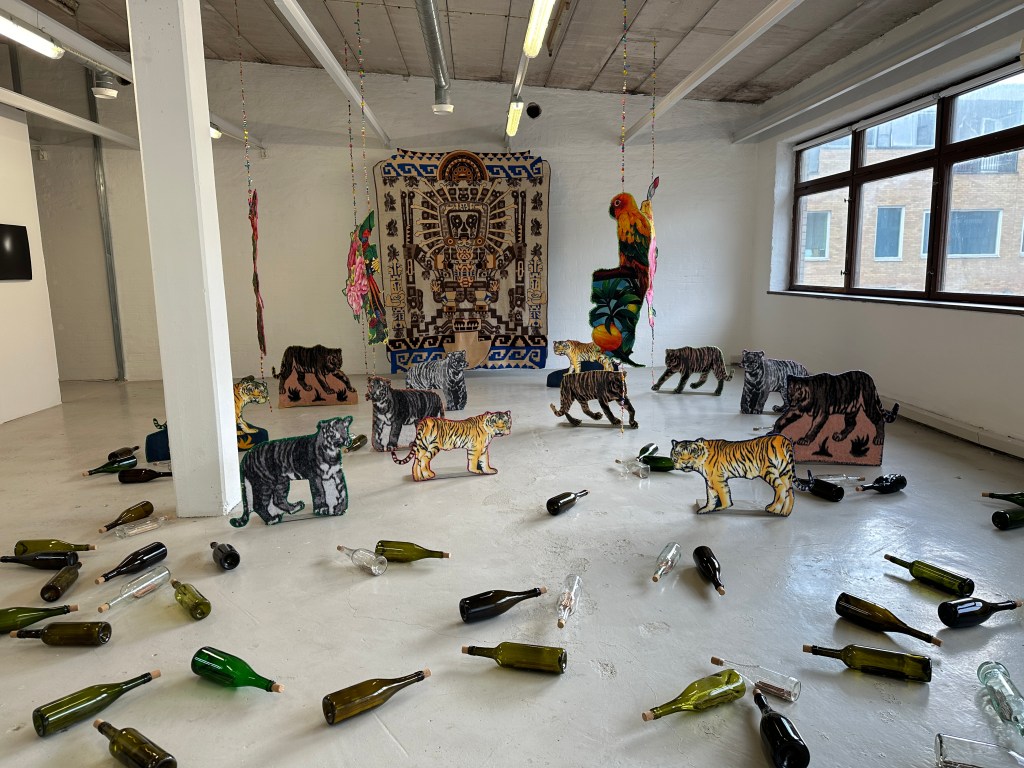
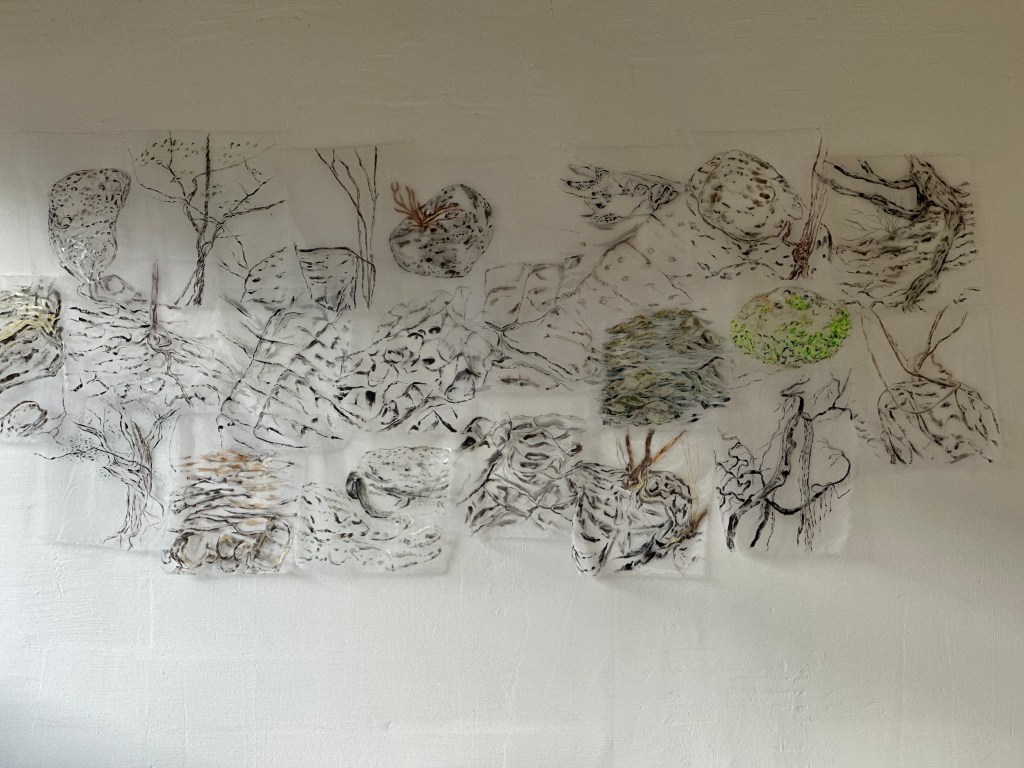
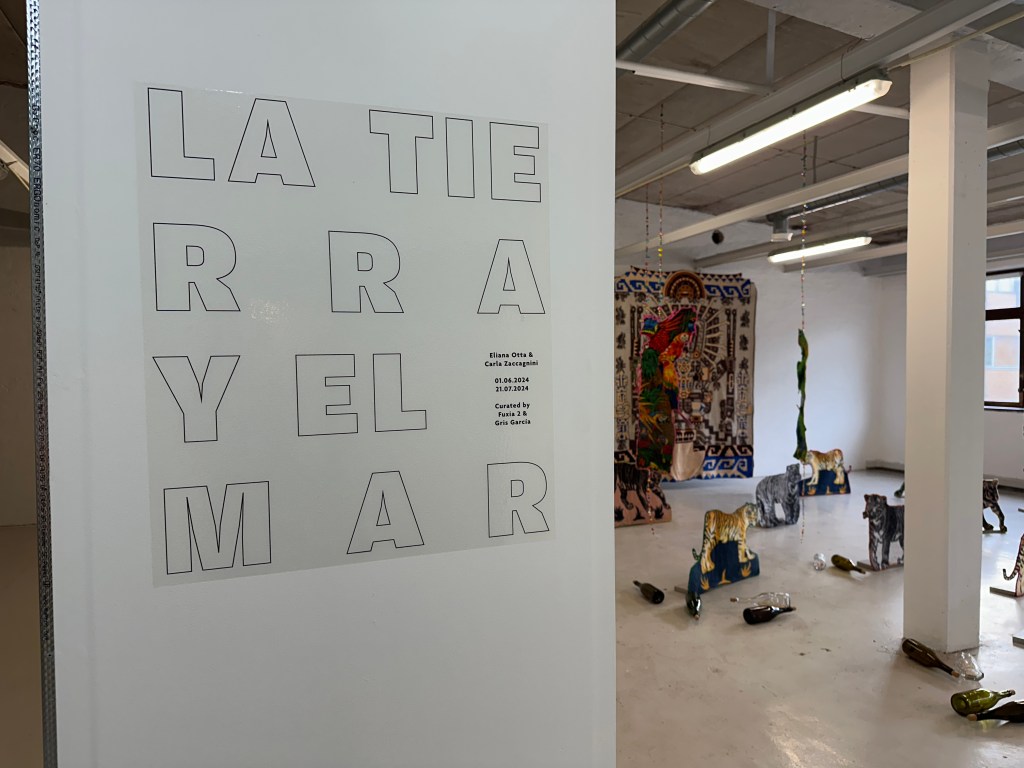
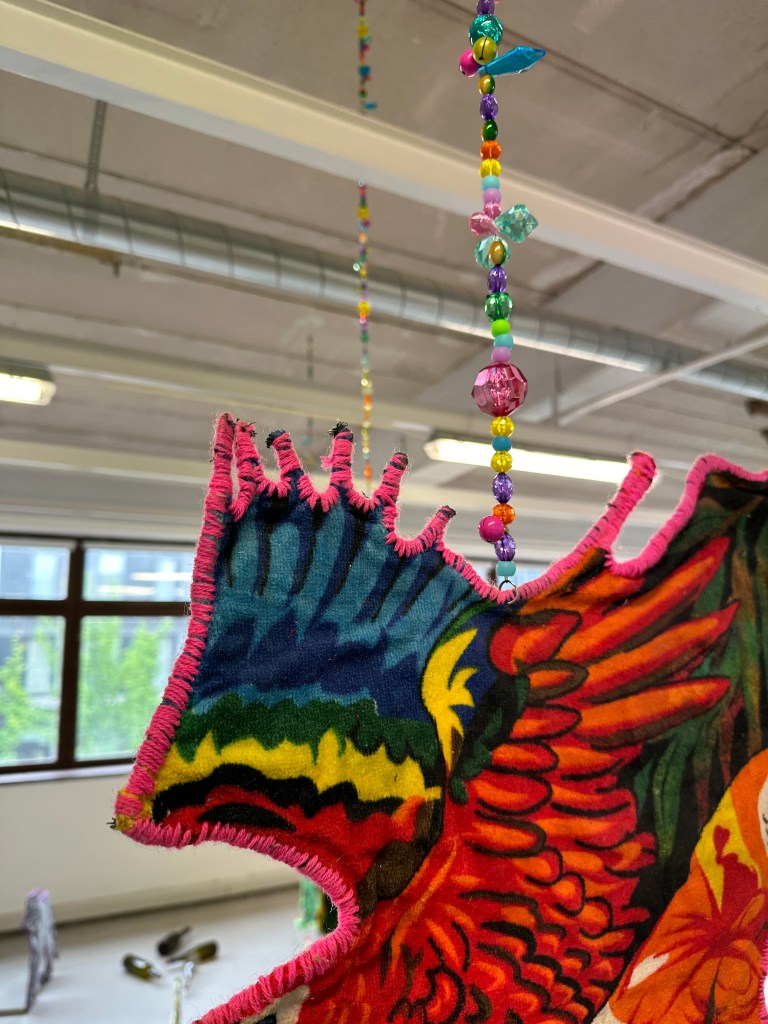
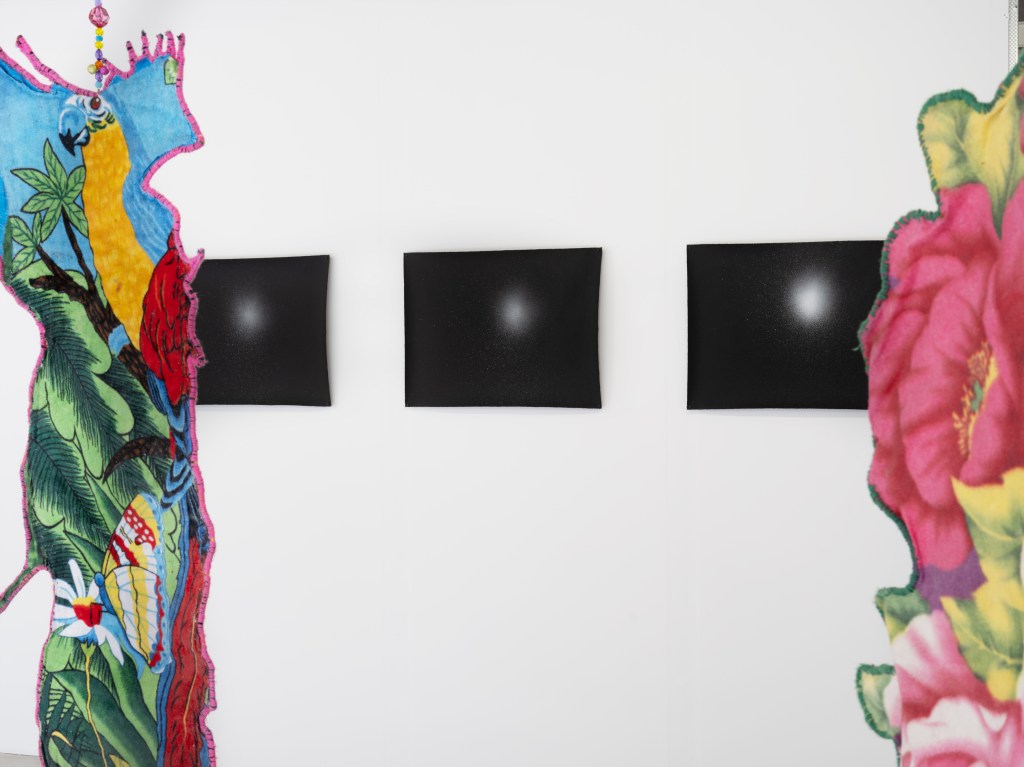
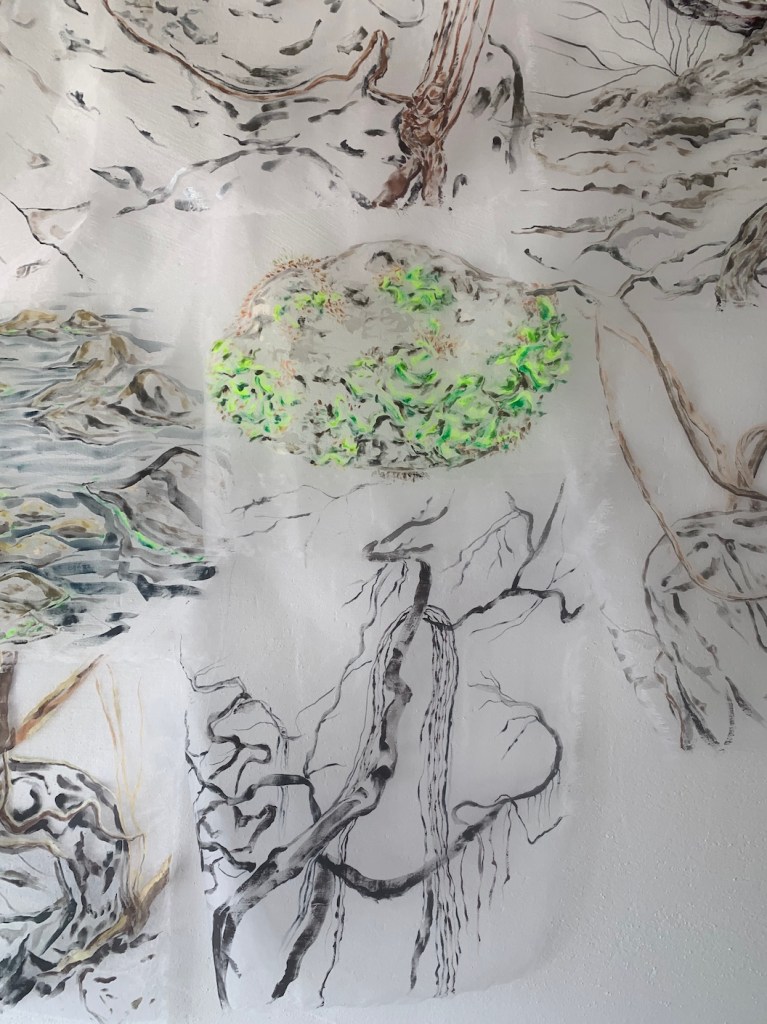
Desde el 01.06 hasta el 21.07 mostramos en Malmo, Suecia, la exposición La Tierra y el Mar, bipersonal mía y de Carla Zacagnini. La exposición fue curada por Gris García y Fuxia 2, equipo formado por Jarí Malta y My Borglund, que estrenaron así su nuevo espacio. Para esta ocasión, mostré la instalación Tierra de Nadie (2011) y una serie de dibujos que hice este año, Amistades. Aquí un fragmento del texto curatorial:
«Aunque a ritmos distintos, la tierra y el mar (el mar y la tierra) se mueven, confundiéndose. A un mismo compás, a ritmos distintos.
La tierra y el mar pone en conversación las prácticas artísticas de Eliana Otta y Carla Zaccagnini. Ambas provenientes de diferentes rincones de esa vasta ficción de ficciones que llamamos Latinoamérica, un territorio marcado por medio milenio de violencia colonial. Las dos prestando atención a los contextos y lenguajes que habitan, que las habitan. Y, sin embargo, sería injusto quedarnos en este trazado de paralelismos. Sus trabajos muestran, por el contrario, un interés minucioso en las fisuras, las fallas de significado, los desbordes.
La exhibición acerca dos instalaciones que las artistas produjeron años atrás, antes de migrar a Europa. Toallas, botellas, joyas de plástico, ramas. Estas obras parten de narrativas de desplazamiento y desposesión, creando estructuras de esperanza por medio de objetos mundanos. La tierra y el mar presenta también dos series recientes de trabajos gráficos. En estas ilustraciones, más que denunciar una realidad política determinada, Carla y Eliana ensayan otras formas de sensibilidad. Escrituras geológicas, miradas cósmicas, diálogos transhistóricos. Una curiosidad por la plenitud y la finitud que atraviesan todas las cosas.»
From 01.06 to 21.07 we presented the exhibition La Tierra y el Mar, a two-person exhibition by myself and Carla Zacagnini, in Malmo, Sweden. The exhibition was curated by Gris García and Fuxia 2, a team formed by Jarí Malta and My Borglund, who opened their new space. For this occasion I showed the installation Tierra de Nadie (2011) and a series of drawings from this year, Friendships. Here a fragment of the curatorial text:
«While at different rhythms, the land and the sea (the sea and the land) move, intertwining. At different rhythms, to the same beat.
La tierra y el mar sparks a conversation between the artistic practices of Eliana Otta and Carla Zaccagnini. Both coming from different corners of the same vast fiction of fictions that we call Latin America, a territory marked by half a millennium of colonial violence. Two artists paying attention to the contexts and languages they inhabit, that inhabit them. And yet, it would be unfair to stop at these reductive parallels. Their work shows, above all, a relentless interest in the frictional, the failures of meaning, that which overflows.
The exhibition brings together two installations that the artists produced years ago, before migrating to Europe. Towels, branches, plastic jewelry, bottles. These works depart from narratives of displacement and dispossession, creating structures of hope through mundane objects. La tierra y el mar also presents two recent series of graphic works. In these illustrations, rather than addressing a particular political reality, Carla and Eliana rehearse other forms of sensibility. Geological writings, cosmical contemplations, transhistorical dialogues. A curiosity for the plenitude and the finitude of all things.»
El bello poster, en español, inglés y sueco, puede descargarse aquí. / The beautiful poster, in Spanish, English and Swedish, can be downloaded here:
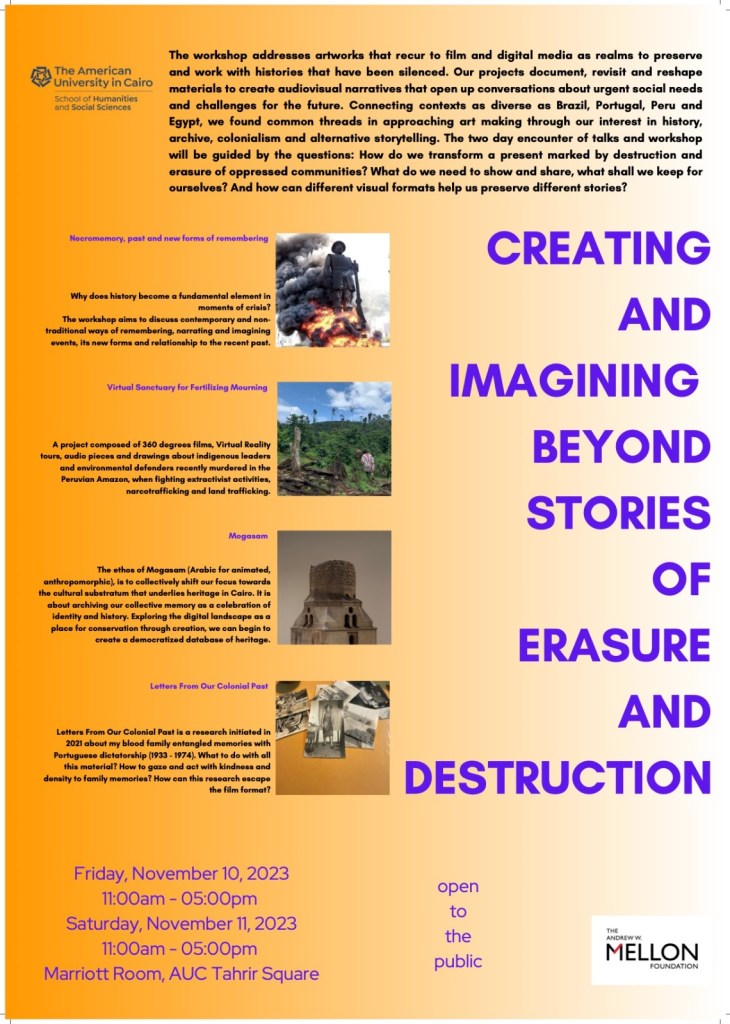
In November I participated in the two days encounter Creating and Imagining Beyond Erasure and Destruction, organized by the Department of History at the American University of Cairo, thanks to the invite of the artist Gian Spina. Here’s the text we wrote to introduce the event, in which I presented my project Virtual Sanctuary for Fertilizing Mourning:
The workshop addresses artworks that recur to film and digital media as realms to preserve and work with histories that have been silenced. Our projects document, revisit and reshape materials to create audiovisual narratives that open up conversations about urgent social needs and challenges for the future. Connecting contexts as diverse as Brazil, Portugal, Peru and Egypt, we found common threats in approaching art making through our interest in history, archive, colonialism and alternative storytelling. The two day encounter of talks and workshop will be guided by the questions: How do we transform a present marked by destruction and erasure of oppressed communities? What do we need to show and share, what shall we keep for ourselves? And how can different visual formats help us preserve different stories?
En noviembre participé en el encuentro de dos días Creando e imaginando más allá de la desaparición y la destrucción, organizado por el Departamento de Historia de la Universidad Americana de El Cairo, gracias a la invitación del artista Gian Spina. Aquí tenéis el texto que escribimos para presentar el evento, en el que presenté mi proyecto Santuario Virtual para un Duelo Fertilizante:
El taller aborda obras de arte que recurren al cine y los medios digitales como ámbitos para preservar y trabajar con historias que han sido silenciadas. Nuestros proyectos documentan, revisan y remodelan materiales para crear narrativas audiovisuales que abren conversaciones sobre necesidades sociales urgentes y desafíos para el futuro. Al conectar contextos tan diversos como Brasil, Portugal, Perú y Egipto, encontramos amenazas comunes al abordar la creación artística a través de nuestro interés por la historia, el archivo, el colonialismo y la narración alternativa. El encuentro de dos días de charlas y talleres estará guiado por las preguntas: ¿Cómo transformamos un presente marcado por la destrucción y el borrado de comunidades oprimidas? ¿Qué necesitamos mostrar y compartir, qué guardaremos para nosotros? ¿Y cómo pueden ayudarnos los diferentes formatos visuales a preservar historias diferentes?









 Eliana Otta