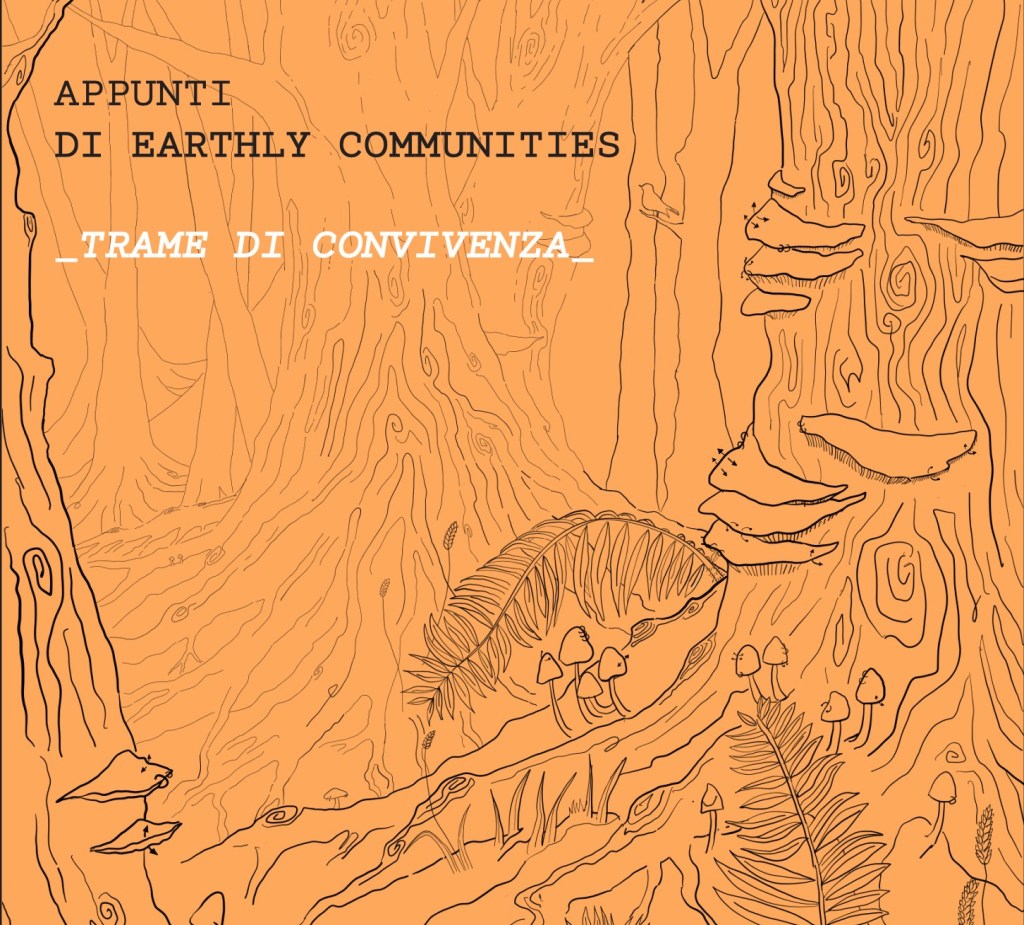
Fragment of the cover from the publication made by students from the course Curatorial Practices and Visual Culture, from the Accademia di Belle Arti di Brera – Milano.
Very happy to share two texts written about my work by the young students of Curatorship Noemi Adinolfi and Chiara Bianchessi, in the context of Earthly Communities, the collective show curated by Simone Frangi and Lucrezia Cippiletti on view at Kunst Merano until 12/10.
The texts are published in Italian here, and they kindly sent me the English translations:
I am very happy to have been selected as a fellow for the Extended Research Residency Program of Onassis AiR for the fall semester 2025. I will develop the project Tracing Traces of Traces, about Eleonas market in Athens. More info about the research in this link.
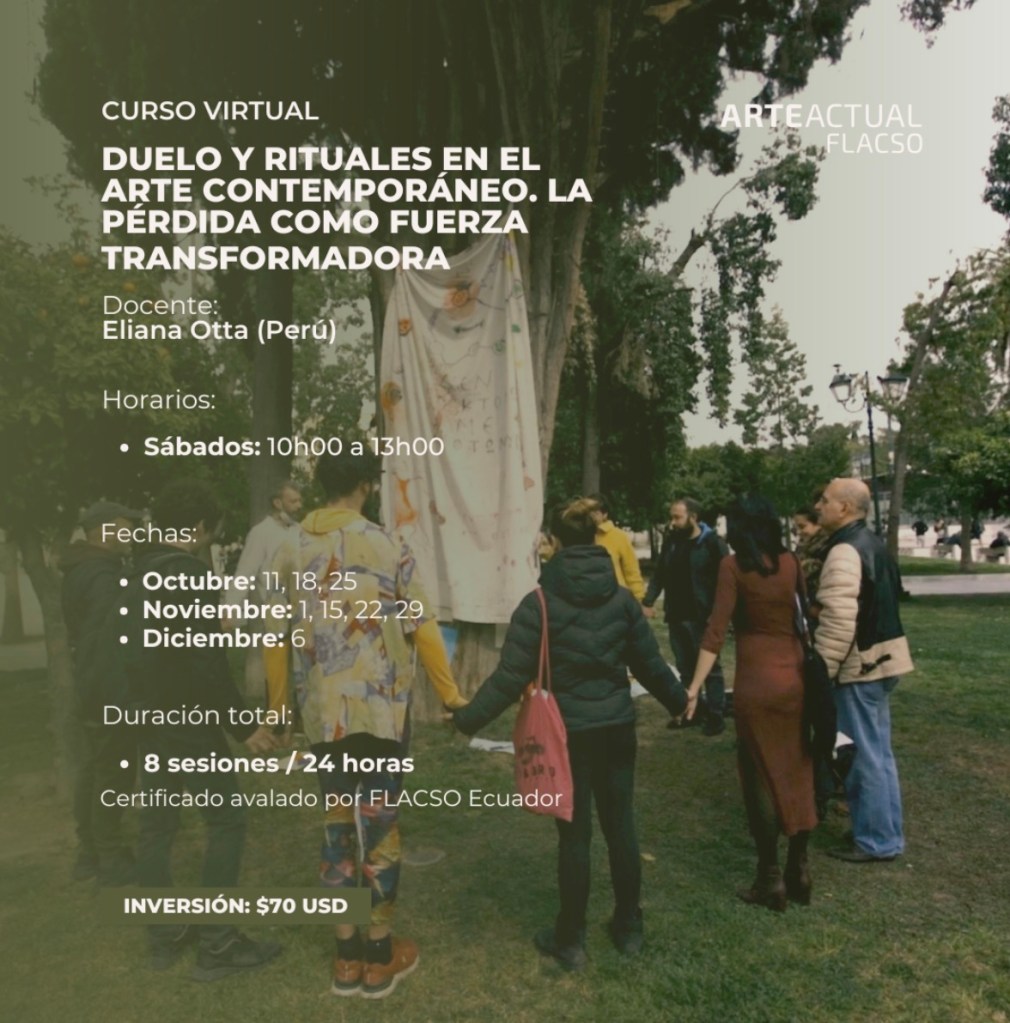
Estoy muy contenta con la oportunidad de dictar este curso a través de la plataforma online de Arte Actual Flacso Ecuador. Será la primera vez que doy este curso, y que traduzco al español el trabajo que he estado realizando en estos años generalmente en inglés, en el marco de mi investigación del doctorado «Compartiendo lo Perdido, Acercamientos al Duelo Colectivo Hacia Políticas Afectivas y Transformadoras».
Esta es la descripción del curso:
Duelo y rituales en el arte contemporáneo. La pérdida como fuerza transformadora
A partir de teoría y estudios de casos, se introducirá el duelo como un trabajo necesario para procesar experiencias de pérdida, se discutirán sus dimensiones políticas y estéticas, así como las posibilidades del arte para colectivizarlo. Reflexionando sobre fenómenos como la pandemia COVID-19, las herencias coloniales, contextos de postguerra y el calentamiento global, se motivará la creación de rituales contemporáneos con los que el arte pueda ayudar en procesos de sanación y regeneración de la vida. Se incentivará la reflexión sobre memorias personales y colectivas, los efectos de los procesos irresueltos de duelo en la salud mental, la diferenciación social del valor de la vida y sobre las posibilidades del arte para abordar problemas colectivos.
Las inscripciones están abiertas hasta el 7 de Octubre en este enlace.
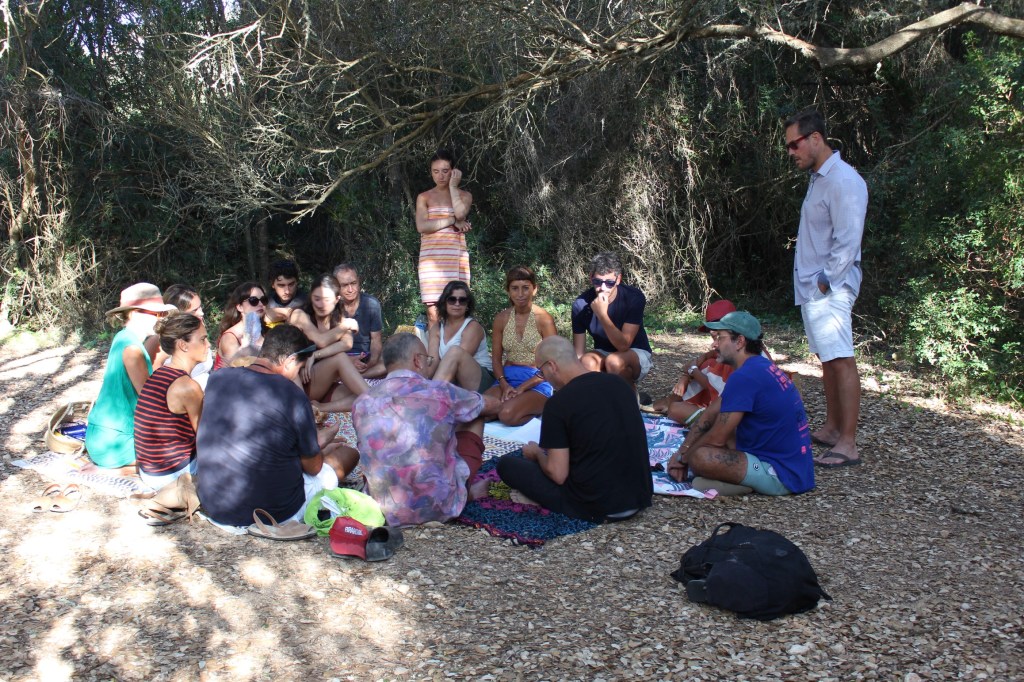
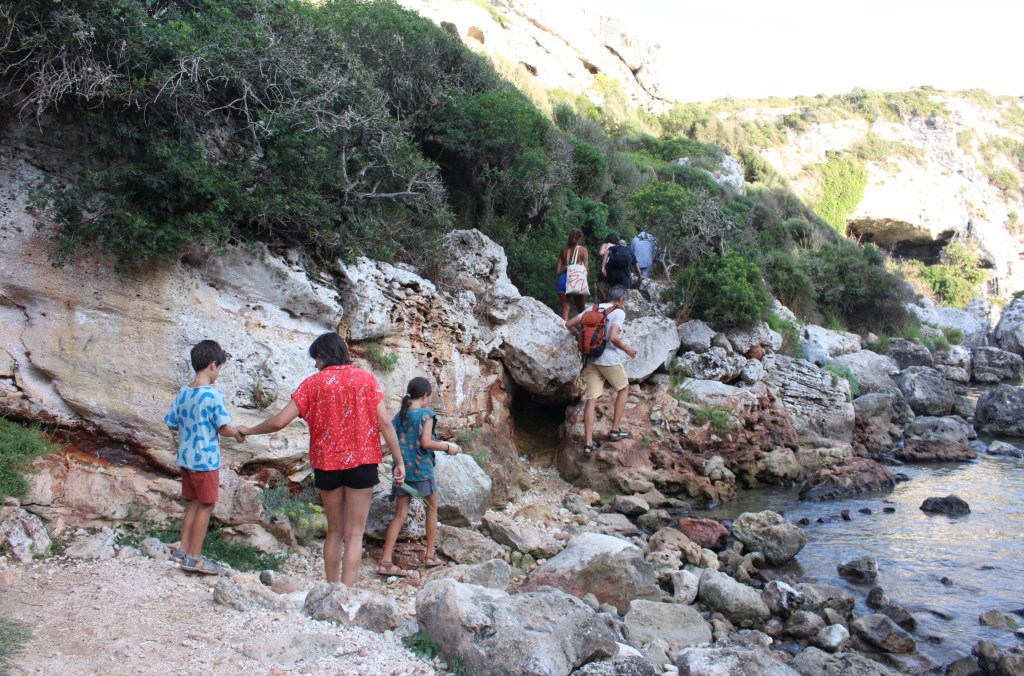
Fotos del día de cierre, con caminata en las cuevas, performance de Marc Vives y mi proyecto Nombrar Territorios Encantados, tomadas por Andriette Helm .
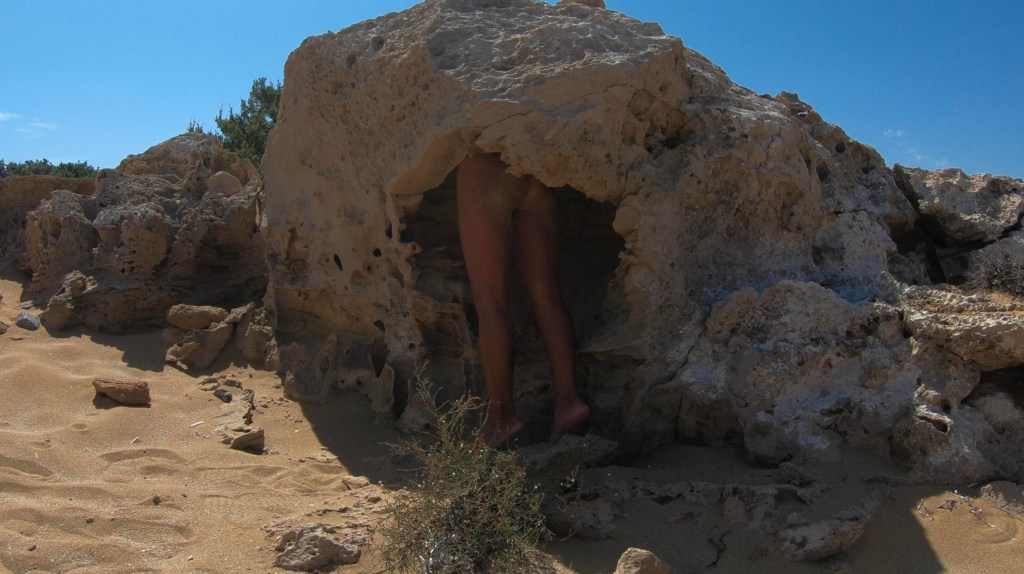
En julio pude conocer las mágicas cuevas menorquinas, gracias a la invitación de @casa_enhorabuena .
Hemos disfrutado compartiendo tiernos y graciosos gestos de hospitalidad y convivencia, renovando y empezando amistades, experimentando con movimientos, recetas y canciones. Yo pude seguir desarrollando mis formas de conocer íntimamente rocas y árboles, stalkeando a mi pez favorito y hasta me atreví a cantar una canción, inspirada por quienes insistieron en vivir en esas cuevas hasta hace muy poco…
Y gracias a todxs lxs asistentes a “Nombrar territorios encantados”, nuestra sesión de cierre con lectura colectiva, caminata y escritura en Calas Coves. Larga vida a la Casa Enhorabuena y hasta pronto! 💥
In July I could visit the magical Menorcan caves, thanks to the invitation of @casa_enhorabuena .
We’ve enjoyed sharing tender and gracious gestures of hospitality and conviviality, renewing and making new friendships, experimenting with movements, recipes, and songs. I was able to continue developing my ways of getting to know rocks and trees intimately, stalking my favorite fish, and even daring to sing a song, inspired by those who insisted on living in those caves until very recently…
And thanks to everyone who came to “Naming Enchanted Territories”, our closing session with collective reading, walk and writing at Calas Coves. Long live to Casa Enhorabuana! Congratulations, and see you soon!💥
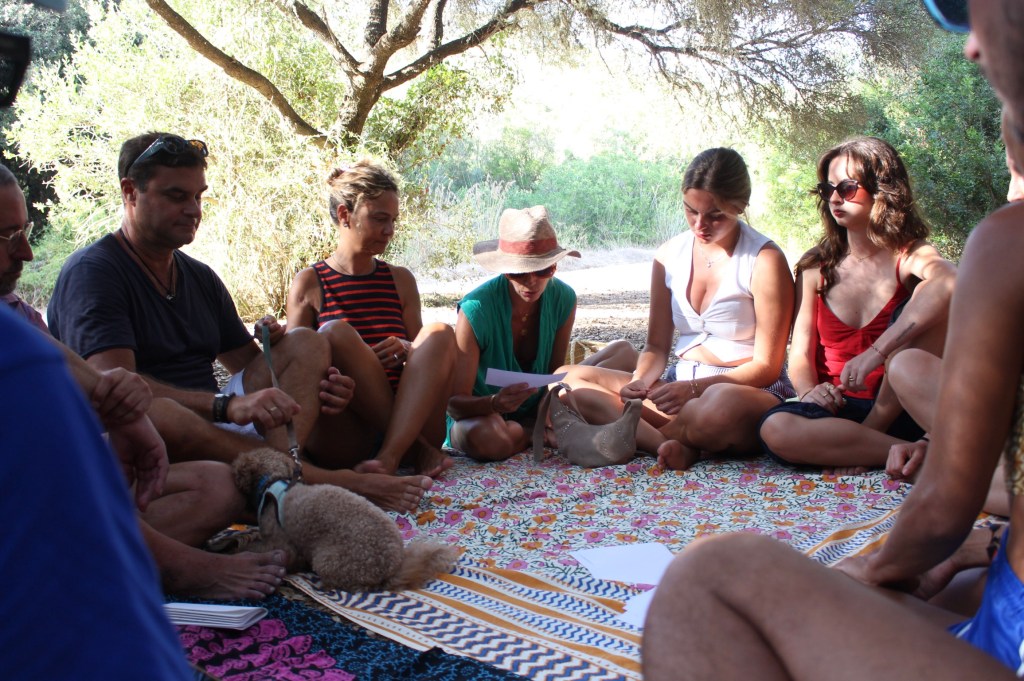
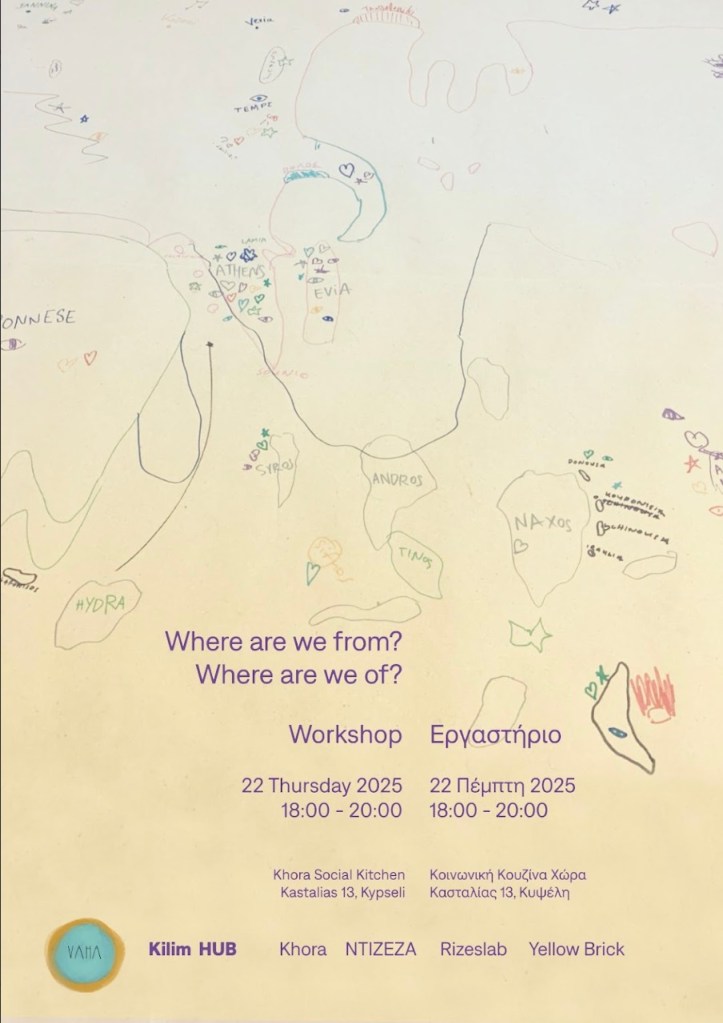
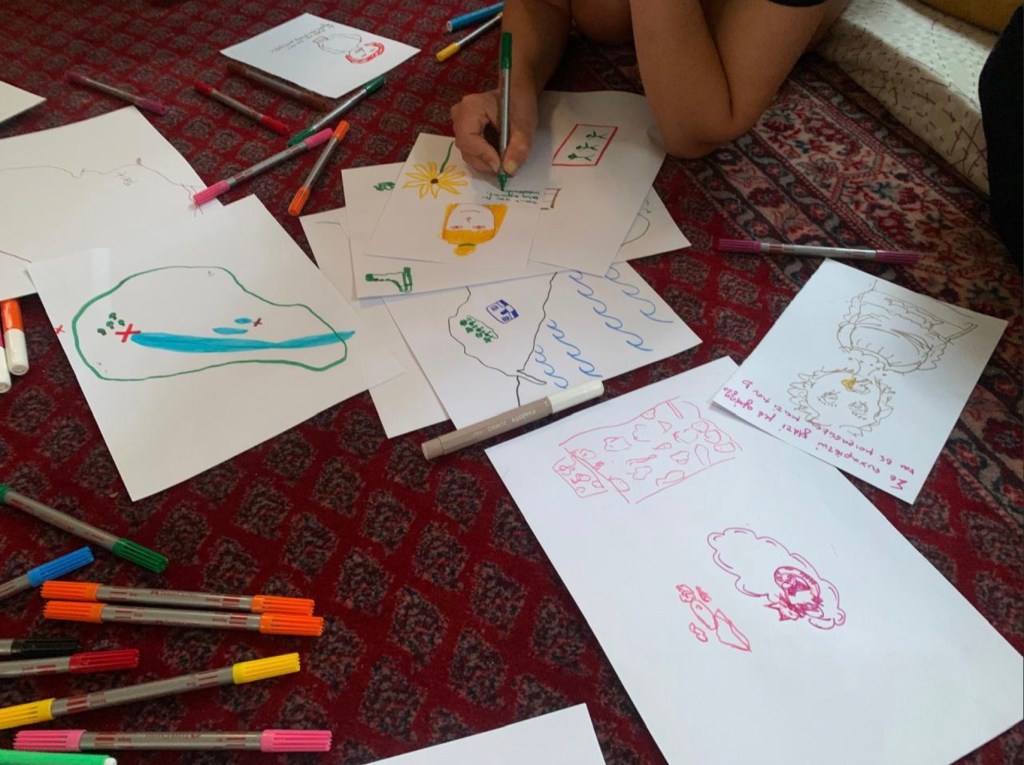
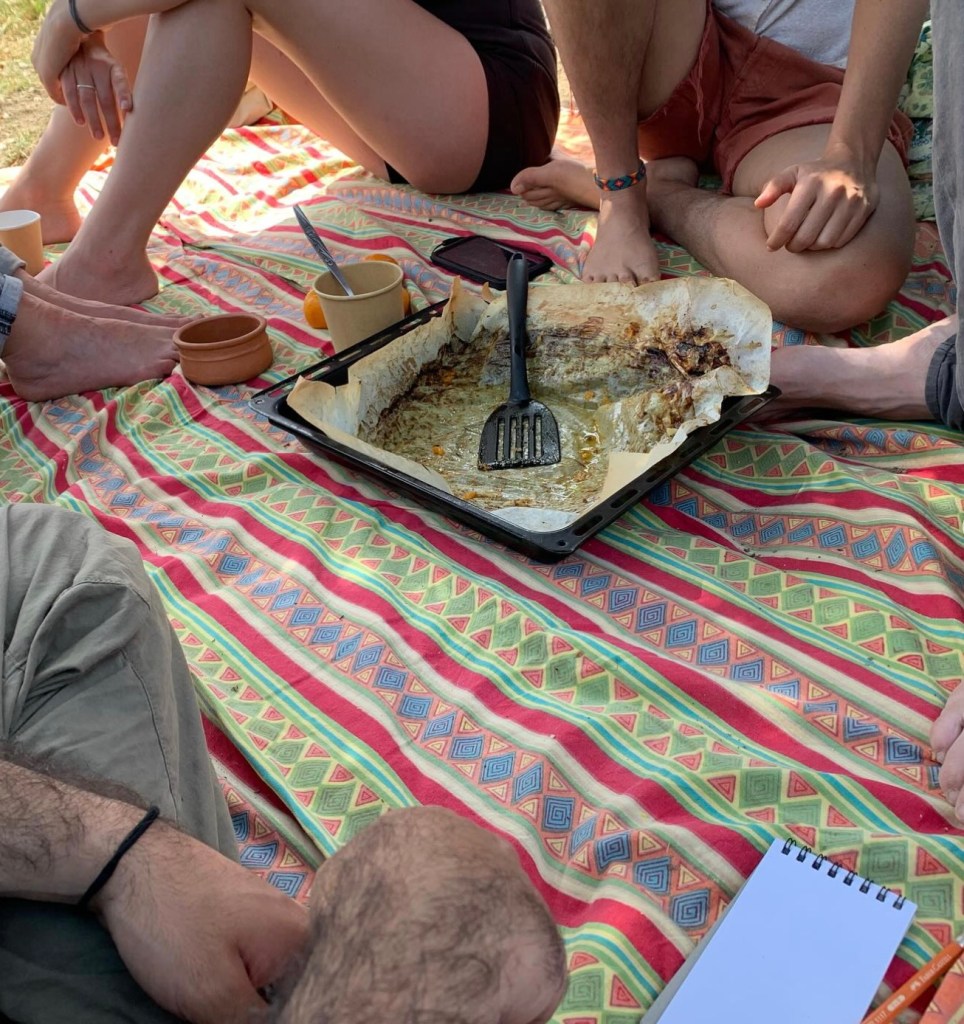
In the context of Kilim Hub@vahahubs, I made a workshop on May 22th, at Khora Athens, invited by Yellow Brick. The Kilim Hub project is still going on, stay tuned!
Where are we from? Where are we of?
A workshop dedicated to explore and share migration stories of Khora users. In a city where migration is usually considered problematic, we’ll discuss how most people living in Athens were born somewhere else, have roots connected to other Greek cities or other countries. We’ll discuss: what makes us feel at home? Which objects, which sounds, which smells, which languages, which songs? We’ll also talk about people that help us to live better and we’ll identify the local hero(in)es of our communities. Which persons and communities make us feel at home in Athens? The workshop was not open to the general public but only for regular Khora users, due to the closing of its communal kitchen.
En el contexto de Kilim Hub @vahahubs, impartí un taller el 22 de mayo en Khora Atenas, invitado por Yellow Brick. ¡El proyecto Kilim Hub sigue en marcha, no se lo pierdan!
¿De dónde somos? ¿De dónde venimos?
Un taller dedicado a explorar y compartir historias de migración de usuarios de Khora. En una ciudad donde la migración suele considerarse problemática, hablaremos sobre cómo la mayoría de los habitantes de Atenas nacieron en otro lugar y tienen raíces en otras ciudades griegas o países. Hablaremos sobre: ¿qué nos hace sentir como en casa? ¿Qué objetos, qué sonidos, qué olores, qué idiomas, qué canciones? También hablaremos de las personas que nos ayudan a vivir mejor e identificaremos a los héroes locales de nuestras comunidades. ¿Qué personas y comunidades nos hacen sentir como en casa en Atenas? El taller no estuvo abierto al público general, sino solo a usuarios habituales de Khora, en el marco de las actividades de cierre de su cocina comunitaria.
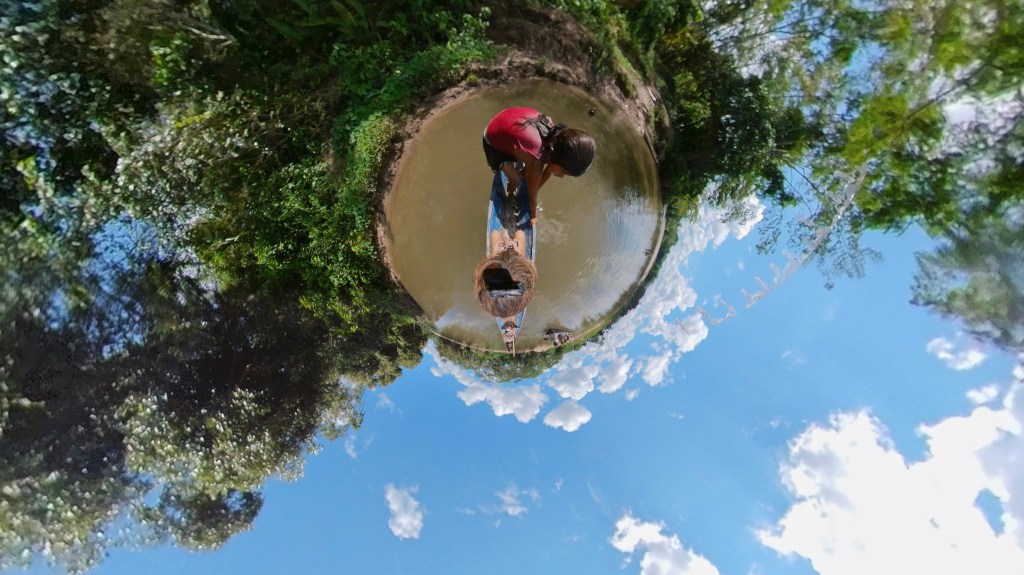
On June 8th my film Asking Trees, Birds and Ghosts About Future Images and Sounds was premiered through the Austrian National Broadcast Channel, ORF, in the framework of their Artist in Residency program and resulting from my participation in Pixel, Bytes and Film. The film is accessible in the Austrian territory through this link and is currently on view at the exhibition Earthly Communities in Kunst Merano, Italy.
El 8 de junio se estrenó mi película «Preguntando a árboles, pájaros y fantasmas sobre imágenes y sonidos futuros» a través del Canal Nacional de Radiodifusión de Austria (ORF), en el marco de su programa de Artistas en Residencia y como resultado de mi participación en Pixel, Bytes and Film. La película está disponible en Austria a través de este enlace y actualmente se exhibe en la exposición «Earthly Communities» en Kunst Merano, Italia.
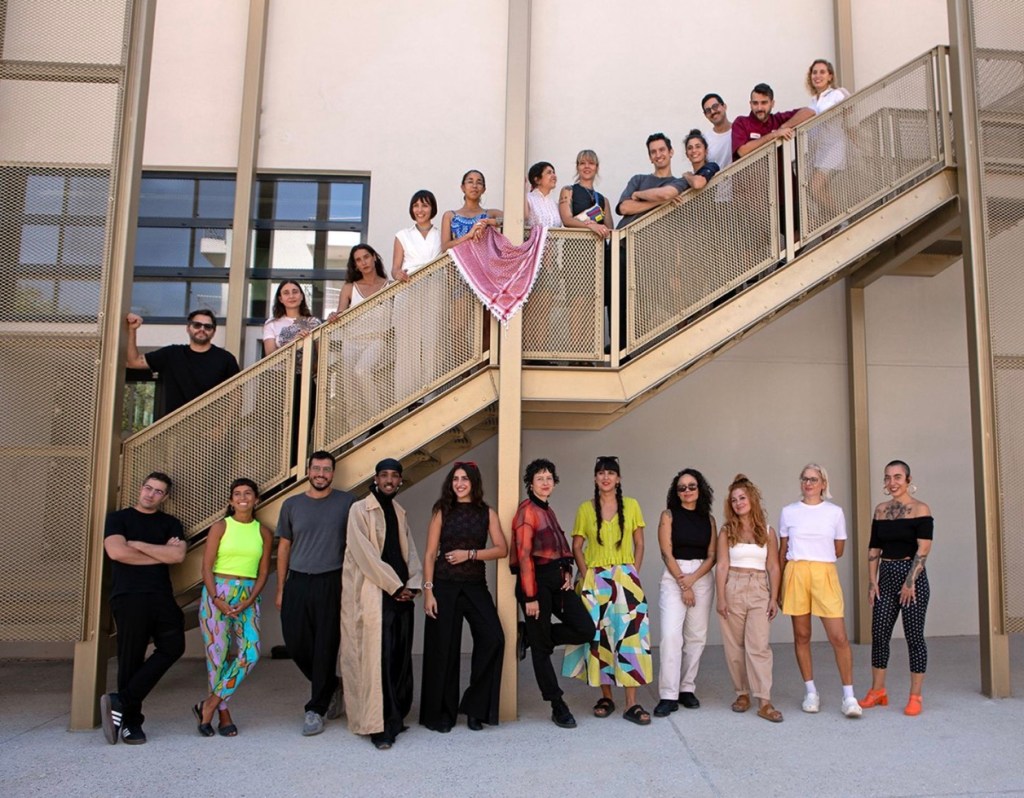
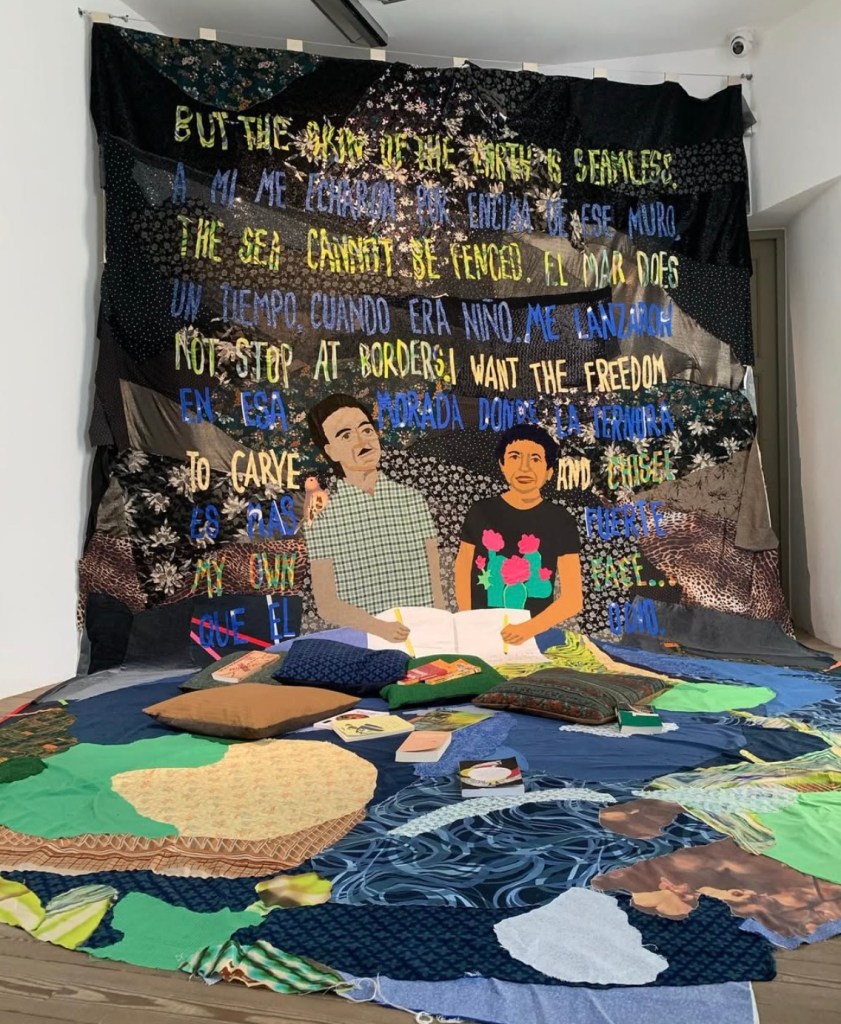
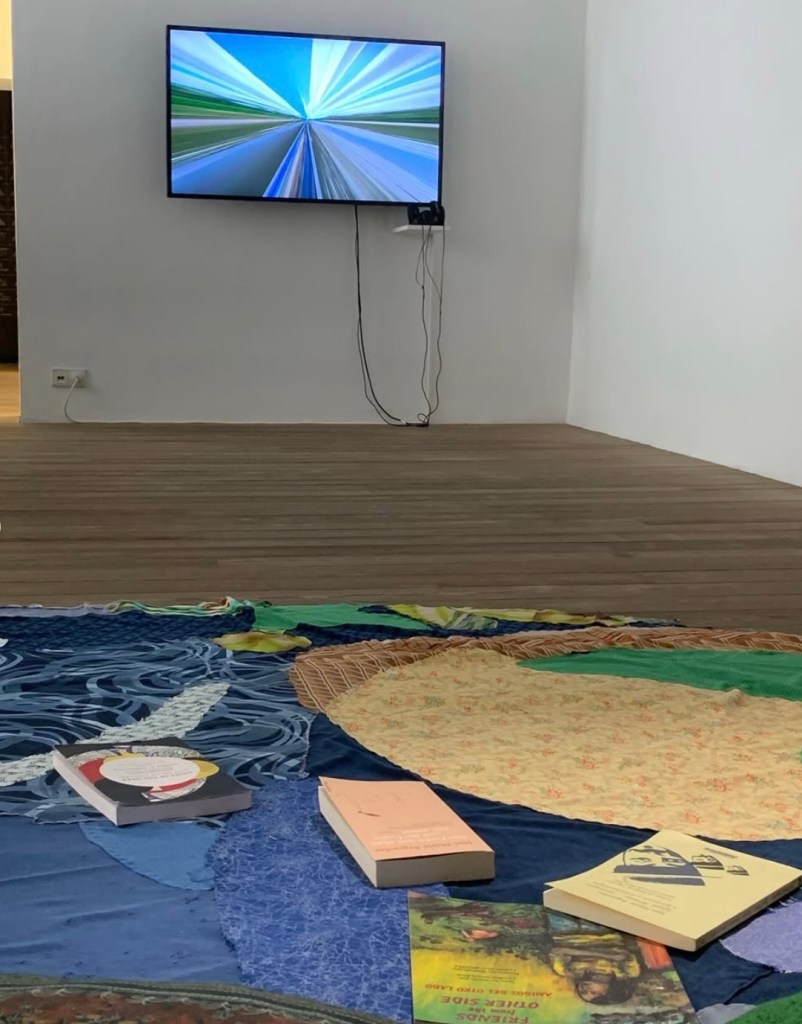
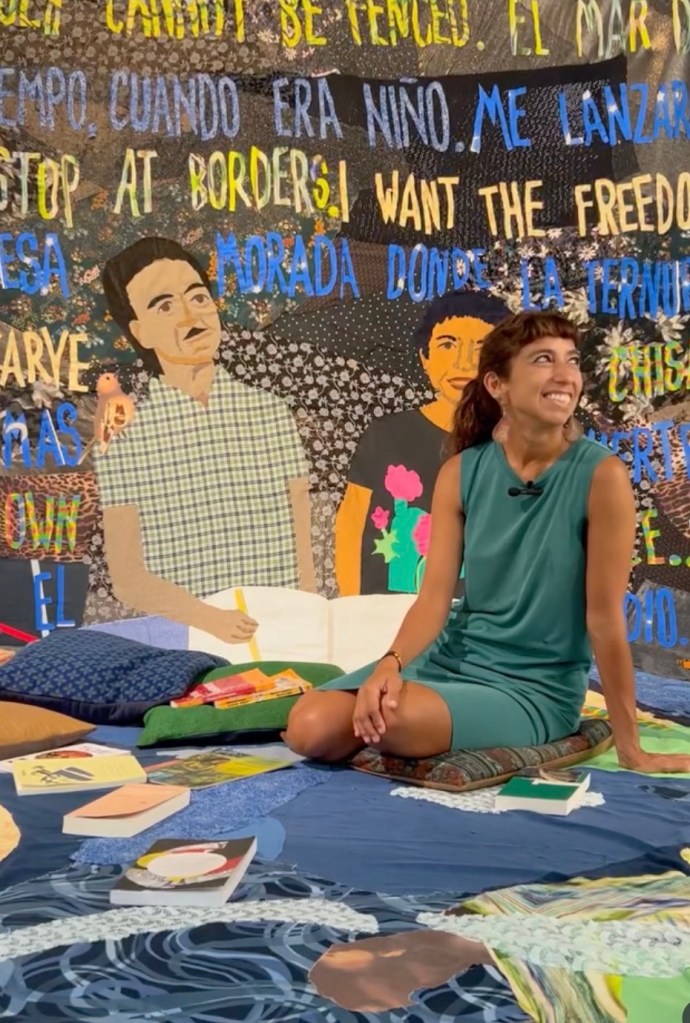
With delay I report about Earthly Communities, the collective exhibition currently on view at Kunst Merano in Italy. It is curated by the amazing duo of Simone Frangi and Lucrezia Cippitelli, who decided to include my textil installation An Imagined Friendship (Un Tambito Espiritual), where I gather José María Arguedas and Gloria Anzaldúa writing together on a table which is the world «upside down» (as if there would be up and down in the universe!). In front of the work, the audience can watch my last film work, Asking Trees, Birds and Ghosts About Future Images and Sounds.
The exhibition will close on October 12th screening Walking and Singing Endangered Worlds, the longer version of Asking Trees…. Here some info about the show, from the website of the museum:
«Duration: 22.06 – 12.10.2025 Artists: AMAZON, Minia Biabiany, Marilyn Boror Bor, Carolina Caycedo,Ismael Condoii, Luigi Coppola, Etienne de France, Alexandra Gelis, Mazenett Quiroga, Laura Huertas Millán, Eliana Otta, Amanda Piña, Naomi Rincón-Gallardo, Sallisa Rosa, Samuel Sarmiento Curators: Lucrezia Cippitelli, Simone Frangi
From 22 June to 12 October 2025, Kunst Meran Merano Arte presents the collective exhibition project Earthly Communities, which, through visual language, performative action and film production, explores ecological, economic and geopolitical issues in respect to the history of relations between Europe and Abya Yala, i.e. Latin America interpreted in a decolonial key, and starting from the South Tyrolean context. The exhibition marks the second year of the three-year curatorial research programme The Invention of Europe, curated by Lucrezia Cippitelli and Simone Frangi, dedicated to presenting a critical investigation of the idea of Europe as an ideological and physical construction, focusing on the historical processes that led to its definition at the expense of other continental spaces and the impact they have had on the contemporary world.
Following the speculative image of a human hand digging into the ground, Earthly Communities brings together artistic practices that have a connection to Abya Yala and their diasporas that investigate the invasive action of European imperialism in the contexts of agriculture, archaeology, urbanism and extractivism, revealing forms of relationships based on coloniality. (…)»
—–
Con retraso informo sobre Earthly Communities, la exposición colectiva que se exhibe actualmente en Kunst Merano, Italia. Ha sido curada por el genial dúo de Simone Frangi y Lucrezia Cippitelli, quienes decidieron incluir mi instalación textil Un Tambito Espiritual (Una Amistad Imaginada), donde reúno a José María Arguedas y Gloria Anzaldúa escribiendo juntos sobre una mesa que representa el mundo al revés (¡como si hubiera arriba y abajo en el universo!). Frente a la obra, el público puede ver mi último video, Asking Trees, Birds and Ghosts About Future Images and Sounds. La exposición cerrará el 12 de octubre con la proyección de Walking and Singing Endangered Worlds, la versión más extensa de Asking Trees…. Aquí más información sobre la muestra, disponible en la página web del museo:
«Duración: 22/06/2025 – 12/10/2025 Artistas: AMAZON, Minia Biabiany, Marilyn Boror Bor, Carolina Caycedo, Ismael Condoii, Luigi Coppola, Etienne de France, Alexandra Gelis, Mazenett Quiroga, Laura Huertas Millán, Eliana Otta, Amanda Piña, Naomi Rincón-Gallardo, Sallisa Rosa, Samuel Sarmiento Curadores: Lucrezia Cippitelli, Simone Frangi
Del 22 de junio al 12 de octubre de 2025, Kunst Meran Merano Arte presenta el proyecto expositivo colectivo Earthly Communities, que, a través del lenguaje visual, la acción performativa y la producción cinematográfica, explora cuestiones ecológicas, económicas y geopolíticas en relación con la historia de las relaciones entre… Europa y Abya Yala, es decir, Latinoamérica, interpretada en clave decolonial, a partir del contexto del Tirol del Sur. La exposición marca el segundo año del programa trienal de investigación curatorial «La invención de Europa», comisariado por Lucrezia Cippitelli y Simone Frangi, dedicado a presentar una investigación crítica de la idea de Europa como construcción ideológica y física, centrándose en los procesos históricos que llevaron a su definición en detrimento de otros espacios continentales y su impacto en el mundo contemporáneo.
Siguiendo la imagen especulativa de una mano humana excavando en la tierra, Comunidades Terrestres reúne prácticas artísticas vinculadas a Abya Yala y sus diásporas, que investigan la acción invasora del imperialismo europeo en los contextos de la agricultura, la arqueología, el urbanismo y el extractivismo, revelando formas de relación basadas en la colonialidad. (…)»
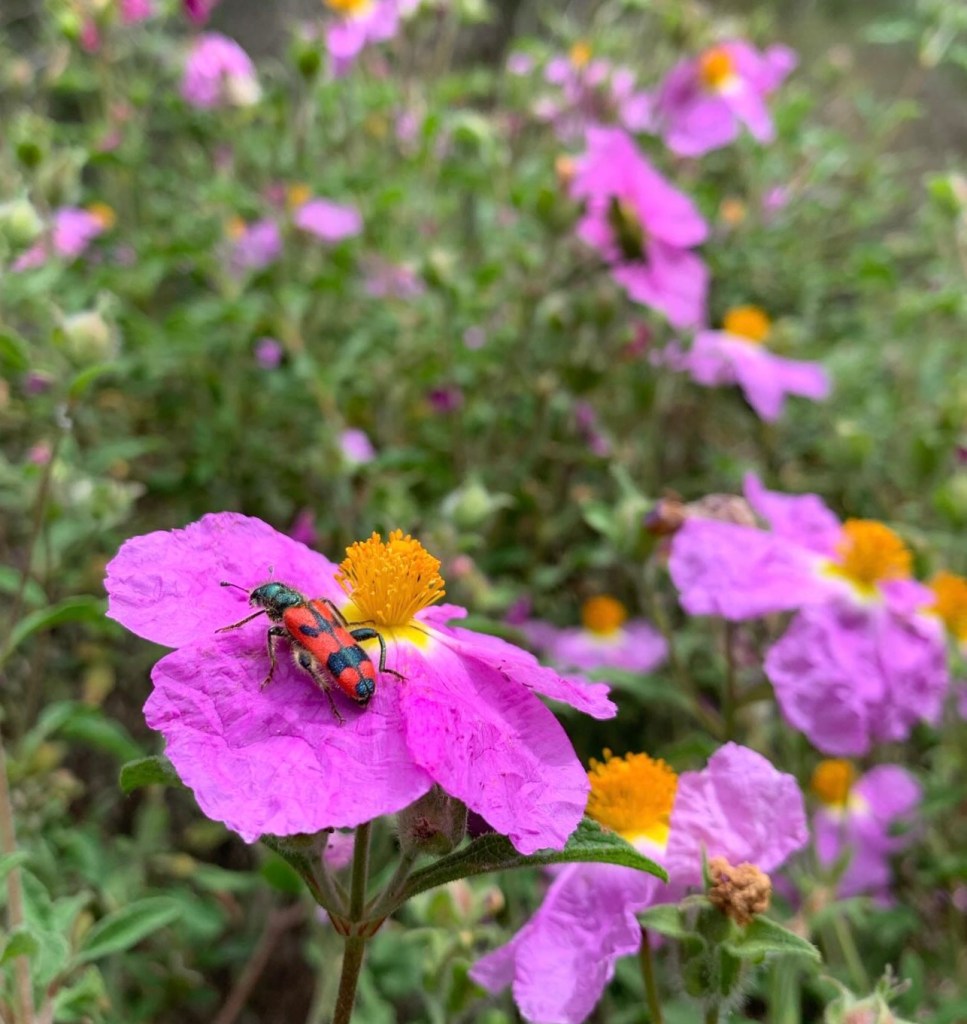
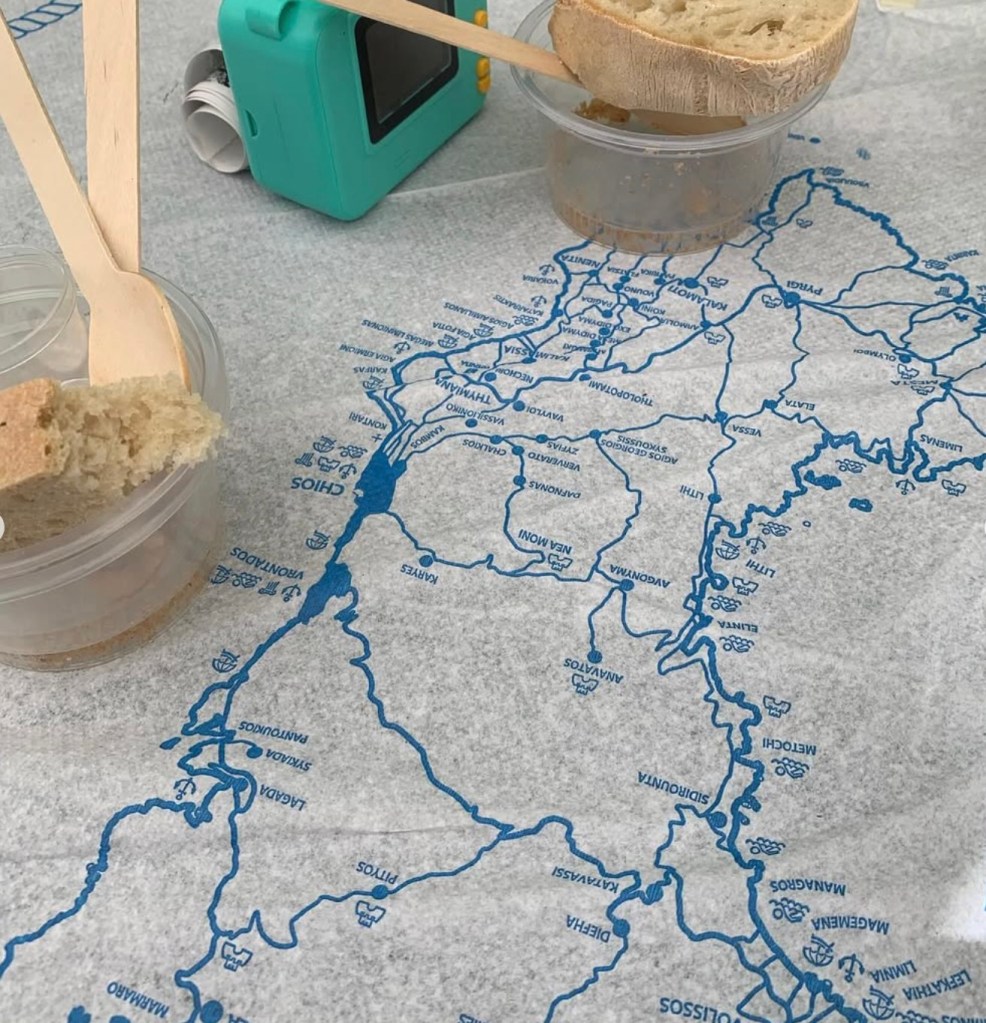
I wrote some years ago about curatorship as a deeply affective practice. These past two weeks I experienced that as a participant of the Carr residency @carr_chios in northern Chios, Greece. The residency works as a expanding, rhizomatic community of friends and colleagues that effortlessly become friends. Sustained through the ideas and labor of Dimitris @dimuntsk , Stratis @s_vogiatzis , Eleni @elenivourtsi and Petros @petless , Carr brings artists to diverse locations in Chios, carefully chosen due to their environmental and socio political characteristics. We had the luck to stay in the town of Keramos, in the region of Amaní, inhabited now by 5 people. Contrasting with the more urbanized south, the north has been progressively depopulated, farms have become forests and nature has taken over abandoned constructions. Amaní is a very fertile land, where orchids grow among many herbs used by the locals to treat all sort of maladies. That land is also rich in metals, notably antimonio, which the Greek government wants to extract again, after a past of pollution, poisoning and avoidable deaths in the area. These two weeks we learned a bit about the plants and animals living there and about the initiatives fighting the extrativist project. We fell in love with the birds, with each other, with the insects and with the slow time of a place where walking is the preferred way to move around. The affective mobilizations initiated by Carr deeply touched our senses and bodies, creating intense connections among the participating humans and inviting us to nurture those subtle but powerful ones felt with our more than human hosts. Starting with the land, which now we wonder how to help protecting from a threatening extinction sold as “development”. Those aiming to profit from Amaní’s mountains call their opponents “backwards”, “illiterate”, exactly how the Limenian elites call indigenous populations in Peru when they struggle. Polluted, winds turned deadly know no borders. The script is the same everywhere, so we better learn from each other. Thanks to Carr and Keramos, sparrows, spiders and wild asparagus! We miss you all already! #SaveAmani#sos_chios
Hace algunos años escribí sobre la curaduría como una práctica profundamente afectiva. Estas últimas dos semanas lo experimenté como participante de la residencia Carr @carr_chios en el norte de Chíos, Grecia. La residencia funciona como una comunidad en expansión y rizomática de amigos y colegas que se convierten en amigos sin esfuerzo. Sostenida por las ideas y el trabajo de Dimitris @dimuntsk, Stratis @s_vogiatzis, Eleni @elenivourtsi y Petros @petless, Carr lleva a artistas a diversos lugares de Quíos, cuidadosamente seleccionados por sus características ambientales y sociopolíticas. Tuvimos la suerte de alojarnos en la ciudad de Keramos, en la región de Amaní, habitada ahora por 5 personas. A diferencia del sur, más urbanizado, el norte se ha despoblado progresivamente, las granjas se han convertido en bosques y la naturaleza se ha apoderado de las construcciones abandonadas. Amaní es una tierra muy fértil, donde crecen orquídeas entre numerosas hierbas que los lugareños utilizan para tratar diversas enfermedades. Esta tierra también es rica en metales, en particular antimonio, que el gobierno griego quiere extraer de nuevo, tras un pasado de contaminación, envenenamiento y muertes evitables en la zona. Durante estas dos semanas, aprendimos un poco sobre las plantas y los animales que viven allí y sobre las iniciativas que luchan contra el proyecto extractivista. Nos enamoramos de las aves, de nosotros mismos, de los insectos y del ritmo lento de un lugar donde caminar es la forma preferida de desplazarse. Las movilizaciones afectivas iniciadas por Carr conmovieron profundamente nuestros sentidos y cuerpos, creando intensas conexiones entre los participantes y nos invitaron a cultivar esas sutiles pero poderosas conexiones que sentimos con nuestros anfitriones más que humanos. Empezando por la tierra, que ahora nos preguntamos cómo ayudar a proteger de una extinción amenazante que se vende como «desarrollo». Quienes buscan lucrarse con las montañas de Amaní llaman a sus oponentes «atrasados», «analfabetos», exactamente como las élites limeñas llaman a las poblaciones indígenas del Perú cuando luchan. Contaminados, los vientos que se vuelven mortales no conocen fronteras. El guion es el mismo en todas partes, así que más vale que aprendamos unos de otros. ¡Gracias a Carr y Keramos, gorriones, arañas y espárragos silvestres! ¡Ya los extrañamos a todos! #SalvemosAmani #sos_chios
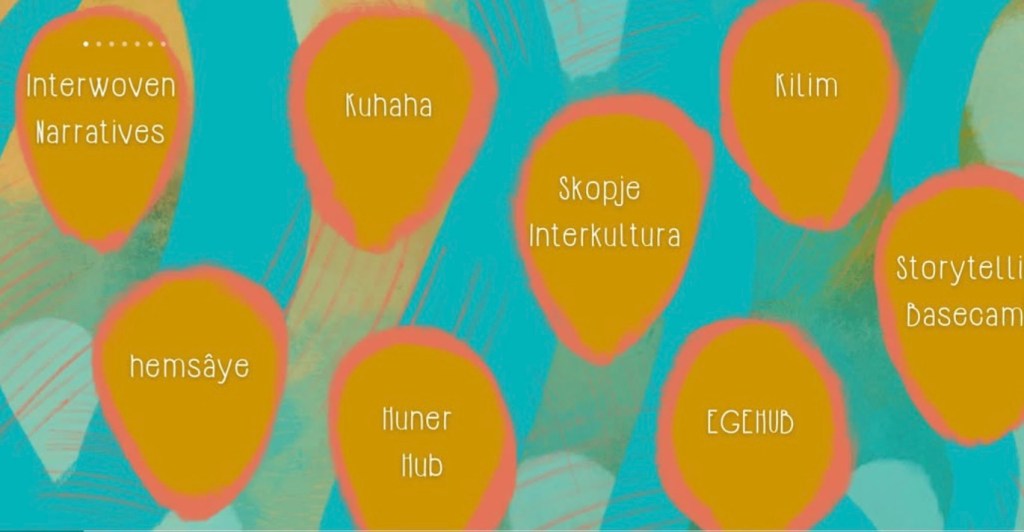
Since March and until November, I am an invited guest artist of Yellow Brick for the VAHA Hub collaboration named KILIM Hub.
KILIM Hub proposes a hybrid narrative based on postmemory and oral history, through a series of collaborative practices. Focusing on “Herstory,” a feminist approach to history that highlights the roles and perspectives of women, emphasises their daily experiences, emotions and gendered dimensions.
VAHA @vahahubs —meaning “oasis” in Turkish—is a platform for independent arts and culture spaces, amplifying empowered voices and fostering public dialogue across cities in Turkey, Europe, and beyond. We’re excited to connect, collaborate, and grow with this vibrant network of cultural practitioners. Stay tuned!




 Eliana Otta